Show summary Hide summary
- How a shutdown and FAA cuts could disrupt Thanksgiving travel
- Airlines’ immediate responses and customer policies
- What to expect at airports during the holiday rush
- Practical travel tactics to reduce stress
- Tools and sources for real-time monitoring
- What analysts say about the scale of disruption
- Refunds, credits, and rights to compensation
Thousands of travelers are watching the holiday travel calendar nervously as a potential government shutdown collides with planned FAA reductions in flight hours. Airports and airlines are bracing for ripple effects that could make Thanksgiving trips longer and less predictable than usual. Below we walk through the likely impacts, airline responses, and practical steps travelers can take now.
How a shutdown and FAA cuts could disrupt Thanksgiving travel
A federal shutdown often reduces funding for critical services and slows routine government functions. The FAA’s decision to cut flight hours compounds that risk. Expect more delays, selective cancellations, and tighter air traffic operations.
Nickelodeon star arrested after alleged Malibu burglary
Euphoria season 3: Sydney Sweeney left off set as feud with Zendaya intensifies
- Air traffic control staffing strain may lengthen delays during peak hours.
- Reduced FAA oversight can slow inspections and approvals.
- Some flights might be preemptively canceled to limit congestion.
Airlines’ immediate responses and customer policies
Carriers typically try to protect travelers while managing limited capacity. Major airlines are updating waivers and rebooking rules in real time.
- Flexible rebooking and fee waivers for affected flights.
- Priority given to connecting passengers on disrupted routes.
- Frequent flier benefits may be applied to help relocate passengers.
Check airline alerts and emails frequently. Policies change fast during operational disruptions.
What to expect at airports during the holiday rush
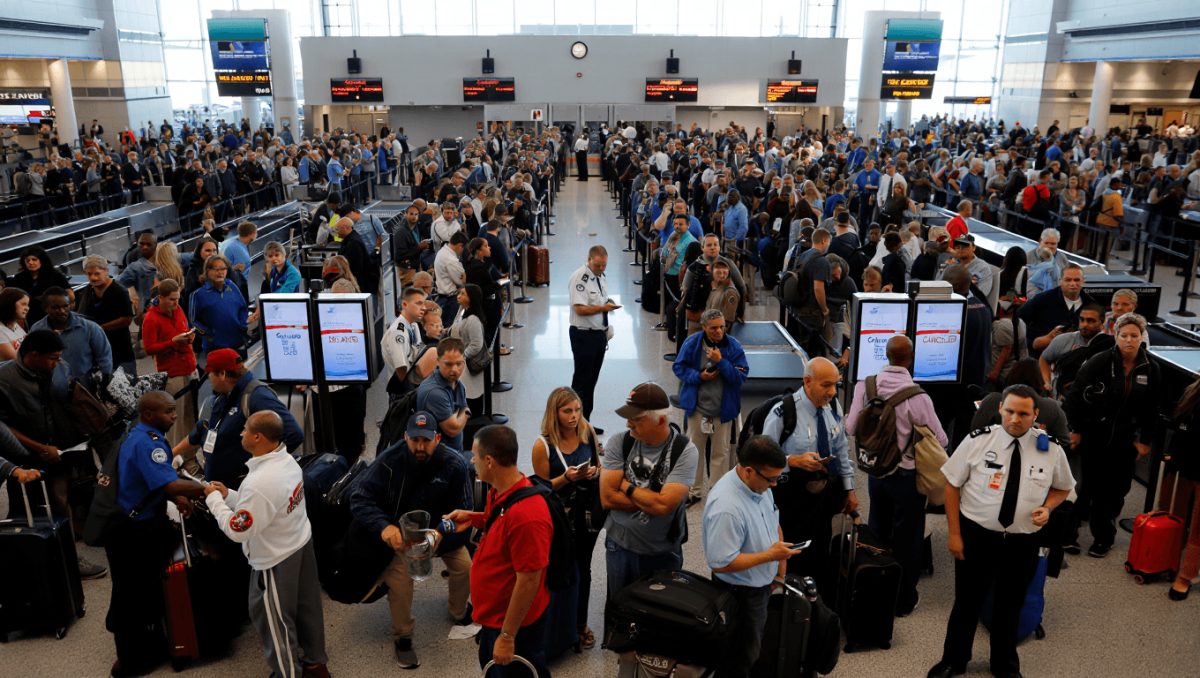
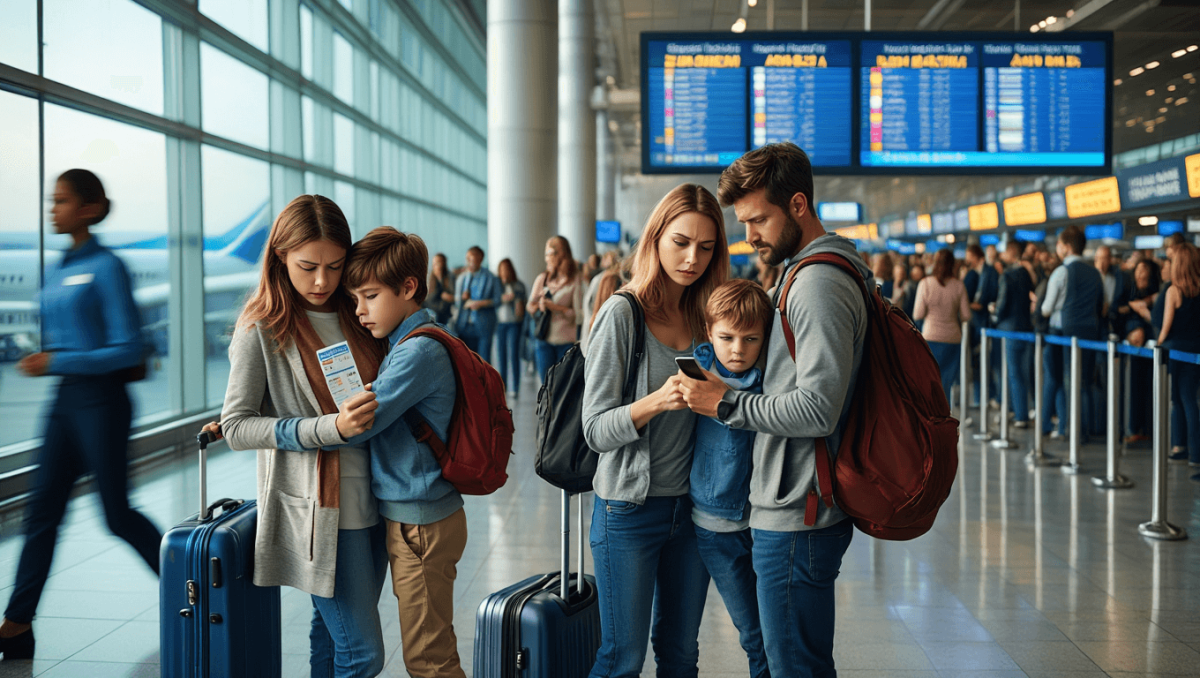
Holiday crowds will be heavy regardless of policy changes. Add staffing pressures, and terminals could feel more chaotic.
- TSA checkpoints may have longer lines if staffing falls short.
- Gate holds and last-minute cancellations could increase in the evening.
- Food vendors and ground services may reduce hours under staffing limits.
Practical travel tactics to reduce stress
Small moves now can prevent big headaches later. Below are practical, time-tested tips to keep your trip on track.
- Book early flights. Morning departures face fewer knock-on delays.
- Allow extra connection time. Add at least two hours for tight layovers.
- Download airline apps and enable push alerts for immediate updates.
- Bring essential items in carry-on bags in case checked luggage is delayed.
- Consider refundable fares or travel insurance that covers government disruptions.
Tips for travelers with complex itineraries
- For international or multi-leg trips, contact the airline to confirm each segment.
- Have backup routes ready, including alternative airports near your destination.
- Notify hosts and rental services about possible arrival changes.
Tools and sources for real-time monitoring
Accurate, timely information is your best defense. Use official sources and reliable apps to track changes.
- FAA advisories and NOTAMs for airspace and airport notices.
- Airline mobile apps for rebooking and gate updates.
- Flight-tracking services to see en route delays and cancellations.
- Official airport websites for terminal alerts and parking updates.
Enable notifications and check multiple sources. One alert can lag behind another.
What analysts say about the scale of disruption
Transportation analysts point to higher risk during peak travel windows. Even modest cuts in capacity can produce outsized delays when demand spikes.
- Modeling shows that a small reduction in daily flights can create long queues at major hubs.
- Airlines with hub-and-spoke networks are especially vulnerable to cascading delays.
- Smaller regional airports may face fewer knock-on effects but still see service cuts.
Plan for contingency time and flexible arrangements. That reduces the chance your holiday plans unravel.
Refunds, credits, and rights to compensation
Passengers have options, but rules vary by carrier and ticket type.
- Refunds are usually available for canceled flights.
- Credits and vouchers may be offered for voluntary rebooking.
- Keep receipts for added expenses; airlines sometimes reimburse reasonable costs.
Read ticket terms and contact customer service quickly to secure your options.