Show summary Hide summary
- What happened in Galveston and why it matters for cruising in Texas
- New terminal features designed for faster embarkation and comfort
- MSC Cruises’ arrival: routes, ships, and what travelers can expect
- Economic ripple effects for Galveston and greater Houston
- Local response and community perspectives
- Operational and travel logistics passengers should know
- What this means for the Gulf Coast cruise market
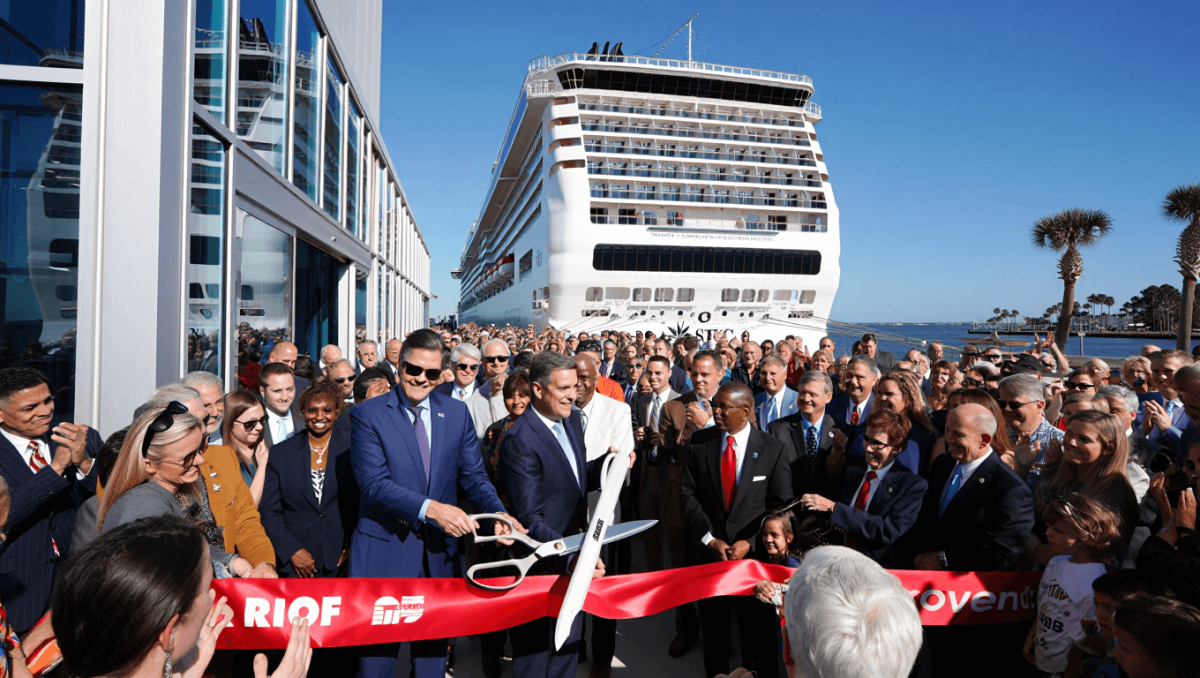
Galveston marked a major milestone for Texas cruising when the city both welcomed MSC Cruises and cut the ribbon on a new cruise terminal on the same day, reshaping the Gulf Coast lineup for vacationers and the local economy.
What happened in Galveston and why it matters for cruising in Texas
Officials revealed that the Port of Galveston expanded its lineup by adding MSC Cruises as a port partner while unveiling a modern terminal facility. The move strengthens Galveston’s role as a Gulf Coast cruise hub.
United Polaris Studio suites: tickets now on sale for April inaugural flights
Auston Matthews-Radko Gudas controversy: Pierre LeBrun predicts fallout
This is a key moment for Texas cruising, bringing new options for travelers and more sailings out of the state.
New terminal features designed for faster embarkation and comfort
- Improved passenger flow: wider check-in areas and faster security lanes cut wait times.
- Enhanced baggage handling: modern conveyance systems reduce delays.
- Accessible design: elevators, ramps, and clear signage make boarding easier for all.
- Retail and dining: upgraded concessions add local shops and food options.
- Environmental upgrades: energy-efficient systems and shore-power readiness lower emissions.
MSC Cruises’ arrival: routes, ships, and what travelers can expect
MSC’s new service will likely add alternating itineraries from Galveston. Passengers can expect a mix of short weekend getaways and longer Caribbean voyages.
Probable ship rotations and sailings
- Short cruises to nearby Gulf destinations for quick escapes.
- Seven-night Caribbean sailings for traditional vacation weeks.
- Seasonal specialty cruises timed to holidays and peak travel months.
Economic ripple effects for Galveston and greater Houston
More sailings mean more passengers arriving at local hotels, restaurants, and tour operators. Port leaders emphasize job creation across hospitality and maritime services.
- Tourism boost: extra passengers fuel local spending.
- Port revenue: berth fees and passenger charges increase funding for future projects.
- Jobs: ramped-up operations generate roles in logistics, retail, and security.
Local response and community perspectives
Business owners near the port welcomed the expansion, noting the potential for steady visitor traffic. Some residents flagged concerns about traffic, noise, and environmental impacts.
- Merchants expect more foot traffic and higher sales on sailing days.
- City planners are focusing on traffic flow and parking solutions.
- Environmental groups call for strict monitoring of emissions and waste management.
Operational and travel logistics passengers should know
Travelers heading to Galveston should plan for port security checks and staggered arrival windows. The new terminal aims to quicken processing, but peak times will still be busy.
- Arrive early to allow time for parking and check-in.
- Confirm luggage drop-off rules to save time.
- Check shore power availability if you’re tracking emissions reductions.
What this means for the Gulf Coast cruise market
Galveston’s twin announcement signals growing competition among Gulf ports. The port’s enhanced capacity may attract more operators and year-round itineraries.
Expect a busier cruise season, with more options for travelers based in Texas and the neighboring states.