Show summary Hide summary
- How the dual release will work: theaters and VR side by side
- What viewers can expect from the 3D and VR presentation
- Why this strategy matters for studios and audiences
- Accessibility, comfort, and user controls in the VR app
- Distribution details and where to buy tickets or access the VR version
- Potential impact on future film releases and immersive storytelling
The new prequel to The Hunger Games universe is taking a leap into both cinemas and virtual space. Studios confirmed that The Hunger Games: Sunrise on the Reaping will open in traditional theaters in full 3D and will also be available for viewing on Meta’s new VR glasses, marking one of the franchise’s biggest pushes into immersive platforms yet.
How the dual release will work: theaters and VR side by side
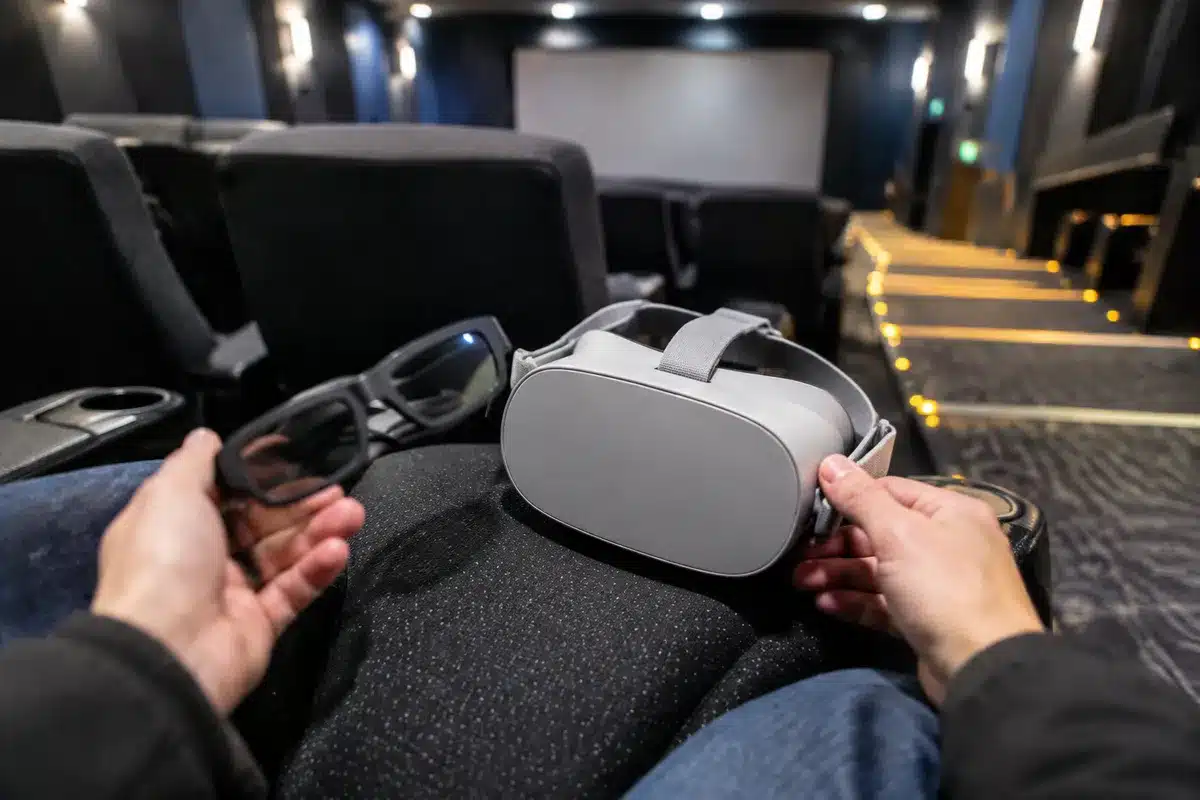
The studio plans a coordinated rollout that lets audiences choose between a multiplex experience and a personal, immersive viewing at home. In theaters, the film will screen in stereoscopic 3D formats. For at-home viewers, the movie will be packaged for Meta’s headset using a tailored playback app.
Druski hosts SNL tonight: how to stream for free
The Hunger Games goes 3D: Sunrise on the Reaping hits theaters and Meta’s new VR glasses

- Standard cinema 3D showings with polarized or active-shutter projection.
- Special premium runs such as IMAX 3D where available.
- A dedicated VR app for Meta’s glasses with a simulated theater environment and adjustable screen sizes.
What viewers can expect from the 3D and VR presentation
Producers emphasize a careful approach to depth and composition. Instead of loud pop-out effects, the emphasis is on subtle depth layering to enhance story immersion.
- Stereoscopic depth to separate foreground action from sprawling environments.
- Spatial audio to match on-screen movement and create realistic soundstage placement.
- Options in the VR app to switch between a “cinema” view and a more encompassing “theatre-in-the-round” setting.
Technical tweaks for VR playback
Translating a theatrical 3D cut to a headset requires reformatting. Expect:
- Recalibrated camera convergence to reduce eye strain in headset viewing.
- Color grading adjustments to account for different display technology.
- Interactive UI elements in the VR app for subtitle placement and preferred screen distance.
Why this strategy matters for studios and audiences
Offering both theatrical 3D and a VR option expands reach. Cinemas preserve the communal spectacle. VR targets viewers who want immersion without the travel.
- Studios can increase box office through premium 3D ticketing.
- VR gives an extra revenue stream and engages early adopters of headset tech.
- Fans get flexibility: see it on the biggest screen or in a private, 3D headset environment.
Accessibility, comfort, and user controls in the VR app
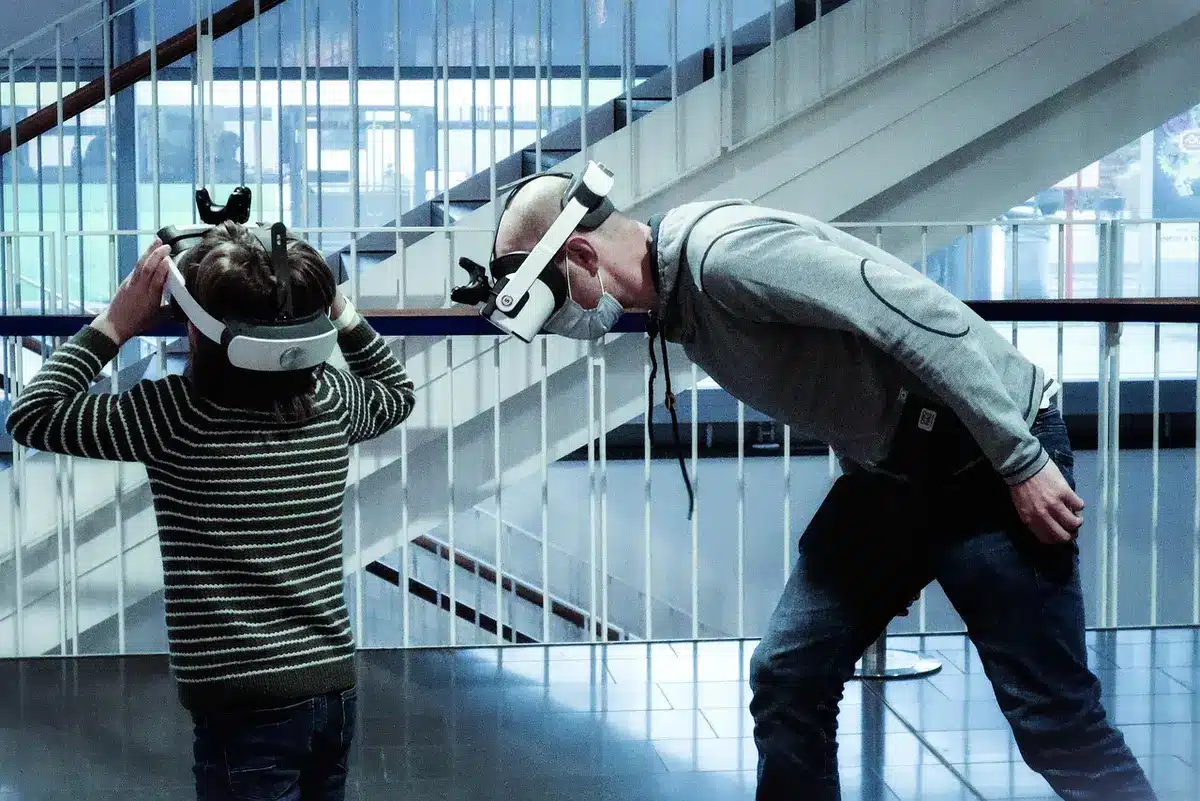
Developers say comfort features are central. The VR experience includes settings for viewers prone to motion discomfort.
- Adjustable field of view and screen distance.
- Multiple subtitle placement options for readability.
- Short preview mode for first-time VR watchers to acclimate.
Distribution details and where to buy tickets or access the VR version
The studio will distribute the film through traditional exhibition partners. Simultaneously, the VR package will appear in Meta’s app store and may require a one-time purchase or rental.
- Check local theater listings for 3D showtimes and premium screenings.
- Meta’s headset users should look for the official app in the device storefront.
- Anticipate region-based rollouts; availability may vary by market.
Potential impact on future film releases and immersive storytelling
This simultaneous theater-and-VR release could set a template for future blockbusters. If audiences respond positively, studios may invest more in simultaneous immersive editions.
- More films could get VR-tailored cuts alongside theatrical versions.
- Studios might partner with headset makers for exclusive content windows.
- Direct-to-headset premieres could become a testing ground for novel storytelling techniques.