Show summary Hide summary
Many Americans planning a trip to Mexico are asking the same question: which places are safe, and which require extra caution? With crime patterns shifting and travel advisories updated state by state, understanding local risks has become essential before booking flights or packing bags.
How U.S. Travel Advisories Describe Risk Across Mexico
The U.S. Department of State grades areas from Level 1 to Level 4. Each level reflects the overall security climate. Travelers should read the advisory for the state they plan to visit, not assume the whole country is the same.
Knicks superfan Ben Stiller skips Oscars to watch gritty win over Warriors
U.S. embassies warn: 5 new travel alerts after demonstrations spread
- Level 1 — Exercise normal precautions.
- Level 2 — Exercise increased caution; petty crime and occasional incidents are more common.
- Level 3 — Reconsider travel; violent crime or instability is a concern in parts of the state.
- Level 4 — Do not travel to these areas due to severe criminal activity.
Examples change over time, but the system helps travelers compare safety across destinations. Popular resort zones and interior states can sit at very different levels.
Which Popular Tourist Areas Fall Where
Not all beach towns or cities share the same advisory. Some resort hotspots are rated safer than nearby inland regions.
- Quintana Roo (Cancún, Playa del Carmen, Tulum) is typically placed at Level 2.
- Baja California Sur (Los Cabos) often falls under Level 2.
- Mexico City is usually Level 2, with local differences across neighborhoods.
- Jalisco has mixed guidance; Puerto Vallarta is often treated as an exception to broader state concerns.
- Some states carry Level 3 warnings for parts of their territory.
- States like Guerrero, Michoacán, and Tamaulipas may be labeled Level 4 for significant security risks.
Why Merida and Campeche Are Rated Safer
Two cities stand out as low-risk destinations. Their histories, policing models, and visitor profiles shape that reputation.
Merida: Colonial charm and a strong safety record
Merida, the capital of Yucatán state, is often cited as one of Mexico’s safest large cities. Crime rates are far below the national average. Visitors praise the visible police presence and a civic culture that prioritizes public order.
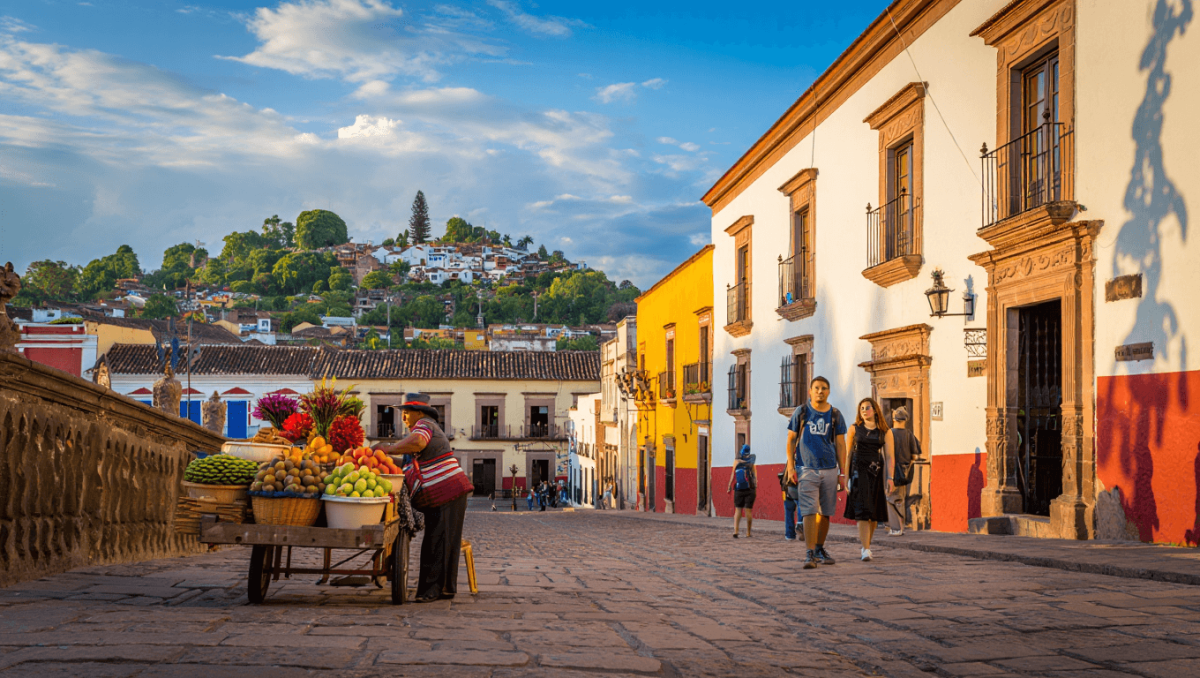
Historic streets, plazas, and a cathedral built with reused pre-Hispanic stone give Merida a distinct feel. The city mixes Mayan traditions and Spanish colonial architecture. Food, museums, and festivals add to its appeal.
San Francisco de Campeche: Walled old town with calm streets
Campeche’s fortified historic center looks as if it belongs in a period film. The ramparts now house museums and peaceful promenades. The city’s compact layout and fewer party-driven visitors reduce opportunities for street crime.
Campeche’s UNESCO-listed core benefits from proactive local policing and a tourism model focused on culture. Visitors come for architecture and archaeology, not nightlife excesses.
Higher-Risk States and Notable Exceptions
Some Mexican states face ongoing organized crime or cartel activity. That reality affects safety across large areas, but pockets of exception exist.
- Level 3 areas: parts of central and Pacific-coast states where violence is more frequent.
- Level 4 areas: states with sustained gang presence and public security challenges.
- Even in elevated-risk states, specific tourist towns can be safer due to local police focus or geographic separation.
Travelers should treat each destination as unique and avoid assuming safety based only on a state-wide label.
Practical Steps to Verify Safety Before You Go
Checking the right sources and taking basic precautions cuts risk dramatically. Use official guidance and simple habits to travel smarter.
- Visit the U.S. Department of State website for state-by-state advisories.
- Use the STEP enrollment to receive alerts and make your travel plans known to consular staff.
- Look up local news and recent crime reports for the city or municipality you will visit.
- Choose daytime arrival and avoid isolated areas at night.
- Buy travel insurance that covers trip interruption and medical evacuation.
Tip: Narrow your research to the specific Mexican state or city. Advisory labels can vary widely between neighboring states.
On-the-Ground Safety Habits That Matter
Good preparation reduces the chance of problems abroad. Many incidents are opportunistic and preventable.
- Keep valuables out of sight and carry only what you need.
- Use hotel safes and leave unnecessary documents behind.
- Rely on official transportation or vetted ride services at night.
- Ask locals or hotel staff about which neighborhoods to avoid.
- Register travel details with family or trusted contacts back home.