Show summary Hide summary
- Harris explains why the Rogan interview fell through
- Two competing narratives about what happened
- Why Rogan matters: audience and influence
- Campaign trade-offs: scheduling, travel and votes
- Harris’ media strategy: engaging skeptical audiences
- Key moments and claims, laid out
- On discomfort and public life
Kamala Harris says she wanted to sit down with Joe Rogan during her 2024 campaign but the conversation never materialized. In a recent interview, she described the missed opportunity, the internal pushback, and why she still believes podcast platforms matter for reaching voters.
Harris explains why the Rogan interview fell through
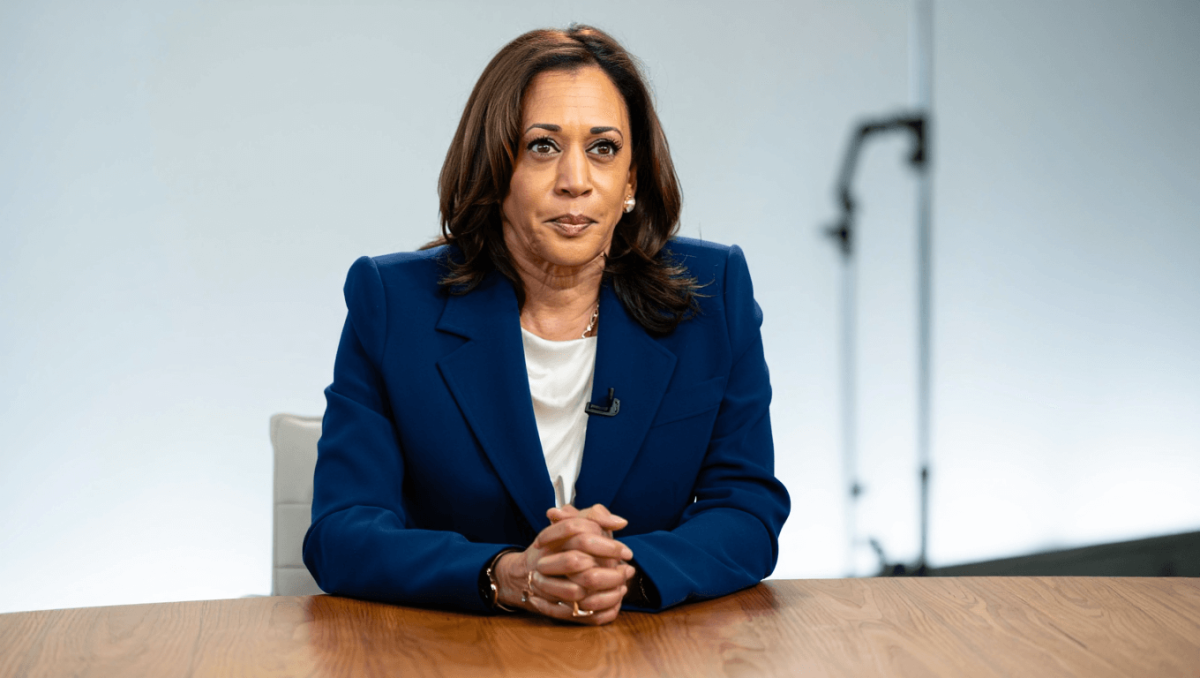
Speaking on the Diary of a CEO podcast, Harris said she had hoped to appear on The Joe Rogan Experience while campaigning. She argued podcasts are a vital way to reach people who get most of their news that way. Harris added that her team ultimately advised against it, citing concerns about Rogan’s audience and perceived leanings.
Dolly Parton cause of death revealed: family confirms she secretly battled cancer
JFK to Empire State Building: which mode of transport wins the race?
She expressed regret that the interview never happened and said she believed the show could have helped listeners better understand her positions.
Two competing narratives about what happened
Accounts differ on why Harris and Rogan never connected. A campaign insider version that appears in the book Fight: Inside the Wildest Battle for the White House says Rogan promised Harris an interview but ended up giving time to Donald Trump instead.
Rogan pushed back publicly, claiming Harris’s team did not agree to an on-site appearance unless his production first went to Washington after Trump’s episode. That version frames the issue as a logistical and scheduling dispute, not a refusal.
Why Rogan matters: audience and influence
The Joe Rogan Experience has built a massive following over 15 years. The podcast has thousands of episodes and draws a swath of listeners, notably many younger conservative men.
- Rogan’s Trump episode drew tens of millions of views on YouTube in days.
- Podcasts can shape opinions outside traditional news cycles.
- For some voters, podcasts are a primary news source.
Harris noted that this reach makes podcast appearances strategically valuable for candidates trying to expand their base.
Campaign trade-offs: scheduling, travel and votes
Harris said advisers weighed the benefits of a Rogan interview against the practical costs. One concern was travel time. Sending a production crew across the country or flying the candidate for a single podcast can mean less time campaigning in swing states.
Her team had to choose where time would be most effective for votes, which is why scheduling logistics became part of the debate over whether to appear.
Harris’ media strategy: engaging skeptical audiences
Harris compared the proposed Rogan appearance to her decision to sit for an interview on Fox News with Bret Baier. She framed both moves as attempts to speak directly to audiences who may not initially agree with her.
Her view: even biased outlets host listeners who are open to persuasion. That outlook underpinned her desire to accept interviews outside friendly media spaces.
Key moments and claims, laid out
- Harris wanted a Rogan interview during the 2024 campaign.
- Authors Jonathan Allen and Amie Parnes write Rogan promised Harris then interviewed Trump instead.
- Rogan says Harris’s camp wanted his production to travel to Washington only after Trump’s episode.
- Trump’s Rogan episode reached more than 40 million YouTube views quickly.
- Harris’s advisers prioritized campaign stops and swing-state time over a long-distance podcast taping.
- Harris later said she regretted missing the chance to have the conversation on Rogan’s show.
On discomfort and public life
Harris reflected on the demands of political life and the need to confront tough settings. She said that long in public service, you accept situations that can be uncomfortable. That willingness, she suggested, is part of the job of campaigning and public leadership.
She emphasized the importance of meeting people where they get information and of using media platforms to make her case directly to voters.