Show summary Hide summary
A new overnight sleeper is set to change how travelers explore Central Europe. The service links southeast Poland with Bavaria and opens access to a chain of lesser-known towns and classic cities. If you love trains, history, or slow travel, this route offers an easy way to wake up in a different country.
What the new Przemyśl–Munich overnight train delivers
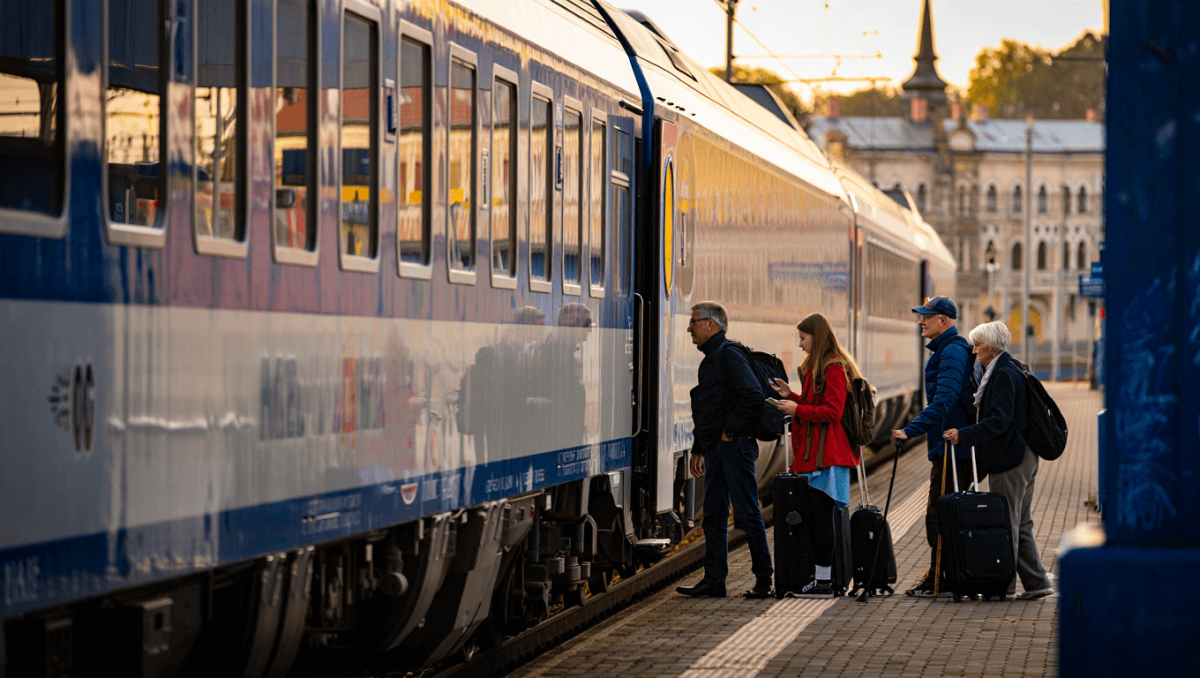
Poland’s PKP Intercity confirmed the launch of the Euronight EN Carpatia. The train runs between Przemyśl and Munich and passes through five more countries. It stitches together a string of destinations that are often skipped by fast, air-focused itineraries.
United Polaris Studio suites: tickets now on sale for April inaugural flights
Auston Matthews-Radko Gudas controversy: Pierre LeBrun predicts fallout
- Route footprint: Poland → Czech Republic → Slovakia → Hungary → Austria → Germany.
- Service type: Night train with seats, couchettes, and private sleeping cabins.
- Journey time: About 16 hours end to end.
Unmissable stops and what to see
This sleeper is more than a transfer. It’s an invitation to explore overlooked cities that keep old-world character.
Kraków — Poland’s historic heart
Kraków is a compact, lively city built around a vast medieval square. Visitors come for atmospheric streets and long-standing cultural sites.
- Rynek Główny and the Cloth Hall for cafés and local crafts.
- St. Mary’s Basilica: a 14th-century Gothic landmark.
- Wawel Royal Castle overlooking the Vistula River.
- Day-trip option: Auschwitz-Birkenau, roughly an hour away by car.
Bohumín — a quiet Czech riverside town
Bohumín sits far from Prague’s crowds. It’s a small community with old churches and green riverbanks.
- Church of the Nativity of the Virgin Mary dates to the 14th century.
- Large, calm market square and a walkable old town.
- Nature at the confluence of the Odra and Olše rivers.
Bratislava — a compact capital with medieval charm
Slovakia’s capital feels intimate and well preserved. The Danube and nearby vineyards give the city a gentle, scenic edge.
- Cobblestone streets and a well-restored Old Town.
- Bratislava Castle provides sweeping views.
- For a striking panorama, visit the UFO Tower at 95 meters.
Salzburg — baroque beauty and musical lore
Before the train pushes into Germany, Salzburg offers baroque architecture and Alpine flair. It’s compact and highly walkable.
- Altstadt on the Salzach River is largely pedestrianized.
- Hohensalzburg Fortress watches the city from above.
- Mozart’s birthplace and locations from The Sound of Music.
- Mirabell Gardens for picture-perfect strolls.
How the train runs and practical travel details
The night service departs Przemyśl in the early evening and reaches Munich the following morning. The train splits after entering the Czech Republic, creating two different branches.
- Departure from Przemyśl: 17:51 local time.
- First major stop: Kraków the same evening.
- Split point: Bohumín — one section continues toward Budapest via Bratislava; the other heads west through Austria to Munich.
- Arrival in Munich: about 10:24 the next morning.
- Return service leaves Munich at 18:45 and reaches Przemyśl around 10:10 the following day.
The full trip lasts roughly 16 hours. Travelers can choose between regular seats, shared couchettes, or private sleeping compartments.
Cabin classes, comforts, and fares
Options cater to different budgets and sleep preferences. The line aims to replace a night in a hotel for many passengers.
- Lowest fares: Tickets begin at about $65.
- Couchettes offer shared sleeping berths for modest prices.
- Private cabins with showers cost more — roughly $240 for longer segments.
- Included perks may feature light snacks and a morning breakfast platter.
Choosing a private cabin turns travel time into overnight accommodation. For longer stretches such as Kraków to Munich, the extra cost can be worth it.
Why this sleeper matters for winter travel in Central Europe
The new connection invites slow travel and exploration of offbeat places during the colder months. It connects cultural hubs and quiet towns in one line.
- Sustainability: Trains produce lower emissions than short-haul flights.
- Comfort: Sleep through the night and wake up closer to your destination.
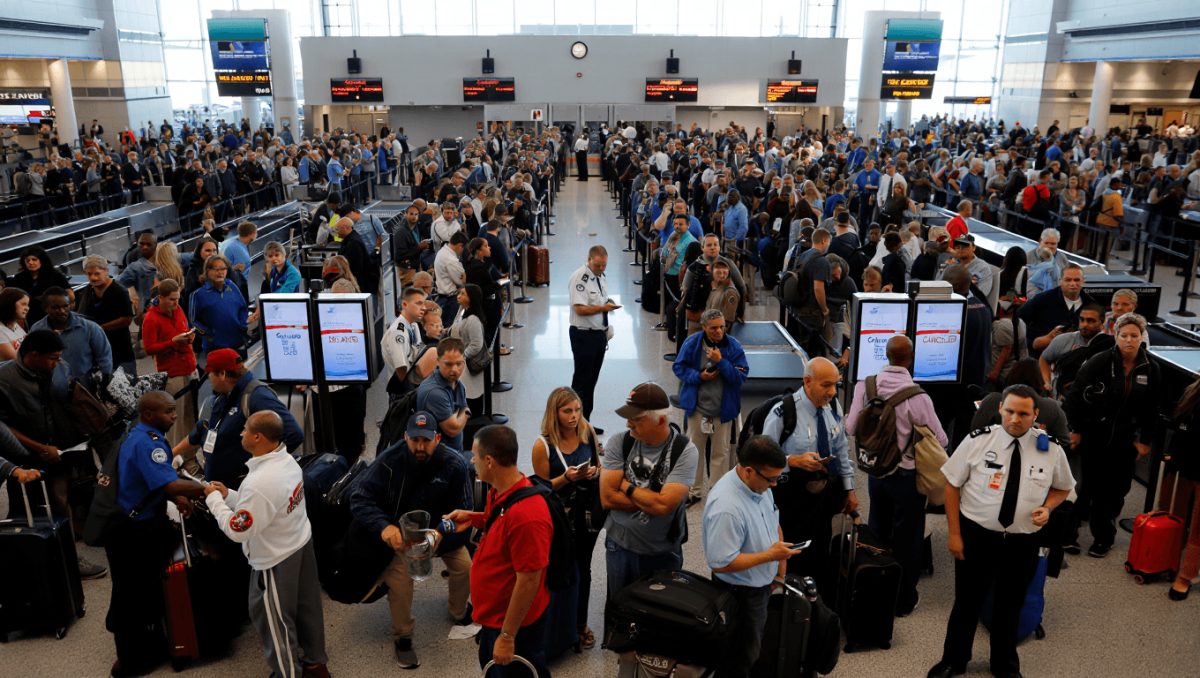
- Convenience: You save on one night’s lodging and avoid airport procedures.
- Discovery: The train makes smaller cities accessible without multiple transfers.