Show summary Hide summary
- Seven winter beach escapes known for pool‑calm water
- Grace Bay, Providenciales — The reef‑shielded white sand
- Eagle Beach, Aruba — Reliable sun and gentle surf
- Seven Mile Beach, Grand Cayman — Long walkable shore with glassy water
- Playa Norte, Isla Mujeres — Mexico’s shallow turquoise cove
- Paynes Bay, Barbados — Turtle‑friendly Platinum Coast
- Sugar Beach, St. Lucia — A piton‑framed private cove
- Dorado Beach, Puerto Rico — Engineered calm without a passport
- Why some beaches stay mirror‑flat while others roar
- Practical tips to book a truly swimmable winter break
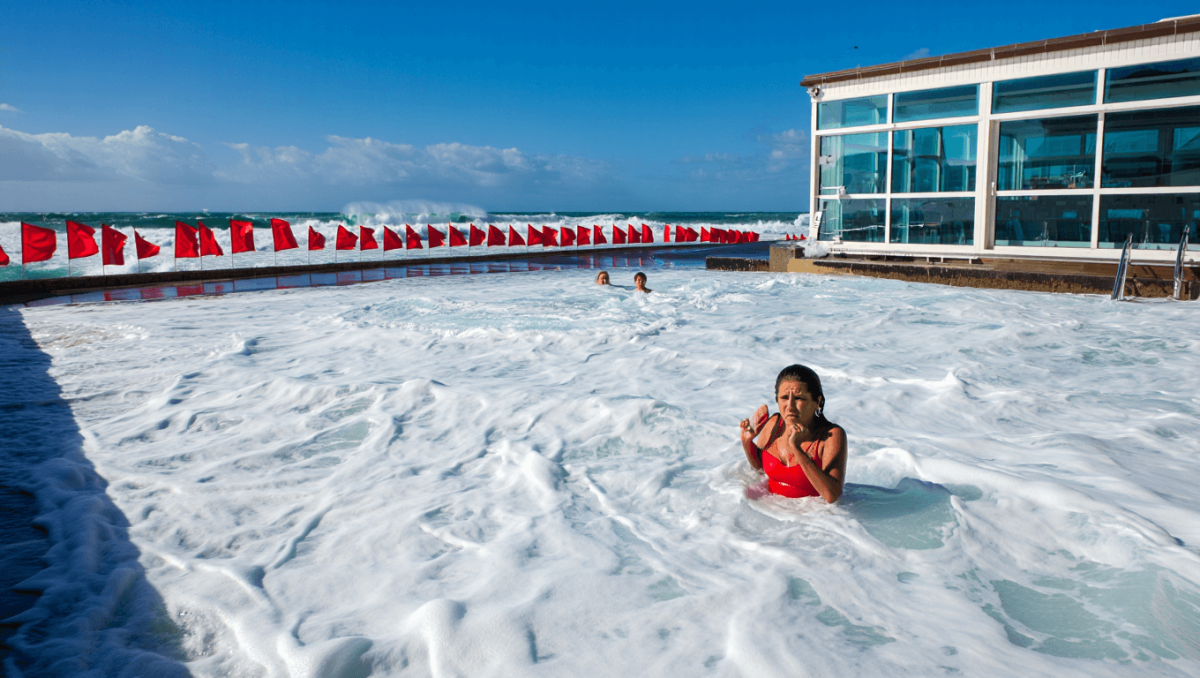
You arrive at your seaside hotel eager to swim, but the shoreline is a wall of crashing surf and a row of red flags. That sinking moment — vacation vs. reality — could ruin a week of hard-earned rest. The good news: not all tropical beaches are rough. Some destinations deliver calm, crystal water that feels like a natural pool. Below are seven winter‑sun picks for 2025/2026 that reliably offer swimmable, turquoise seas.
Seven winter beach escapes known for pool‑calm water
Grace Bay, Providenciales — The reef‑shielded white sand
The feel: Endless white sand and upscale resorts set the tone.
Knicks superfan Ben Stiller skips Oscars to watch gritty win over Warriors
U.S. embassies warn: 5 new travel alerts after demonstrations spread
- Why the water is calm: A broad offshore barrier reef blocks Atlantic swells, creating a protected lagoon.
- What swimmers love: Warm, clear water with minimal current and excellent snorkel visibility.
- Travel tips:
- Fly into Providenciales (PLS) from major U.S. gateways.
- Choose beachfront resorts near the reef for the gentlest water.
Eagle Beach, Aruba — Reliable sun and gentle surf
The feel: Sunny, breezy, and famously calm.
- Why the water is calm: Aruba sits outside the hurricane belt and Eagle Beach faces the sheltered west side.
- What swimmers love: Wide sand, steady temperatures, and float‑friendly seas.
- Travel tips: Nonstop flights land at AUA from many U.S. cities. Pick low‑rise hotels for quieter beach stretches.
Seven Mile Beach, Grand Cayman — Long walkable shore with glassy water
The feel: Luxury hotels and a gentle, long crescent of sand.
- Why the water is calm: Its westward orientation shelters it from trade winds and big swells.
- What swimmers love: Exceptional clarity and often 100‑foot visibility for snorkeling.
- Travel tips: Fly to GCM with connections via Miami and other hubs.
Playa Norte, Isla Mujeres — Mexico’s shallow turquoise cove
The feel: A compact island escape with shallow, postcard‑blue water.
- Why the water is calm: West‑facing shores and a shallow seabed create very low waves.
- What swimmers love: Sand‑bottom swimming that feels like a natural pool and minimal sargassum in many seasons.
- Travel tips: Fly to Cancun (CUN) then take a short ferry. Stay where shallow water extends far from shore.
Paynes Bay, Barbados — Turtle‑friendly Platinum Coast
The feel: Upscale coastal vibes with calm bays and wildlife encounters.
- Why the water is calm: The west, leeward coast is sheltered from Atlantic winds and swells.
- What swimmers love: Gentle bays with clear water and sea turtles grazing nearshore.
- Travel tips: Fly to Bridgetown (BGI). Book early for popular luxury properties on the Platinum Coast.
Sugar Beach, St. Lucia — A piton‑framed private cove
The feel: Dramatic mountain scenery that opens onto a calm protected bay.
- Why the water is calm: The cove sits between the Pitons, which break swell and shelter the water.
- What swimmers love: Tranquil snorkeling and swimming with a striking volcanic backdrop.
- Travel tips: Fly into UVF and arrange resort transfers; the bay’s unique geography means calm conditions year‑round.
Dorado Beach, Puerto Rico — Engineered calm without a passport
The feel: Five‑star resort beaches with placid lagoons.
- Why the water is calm: Man‑made crescent rock breakwaters were installed to neutralize ocean waves.
- What swimmers love: Pool‑calm lagoons with warm water and easy access from the U.S.
- Travel tips: Fly to San Juan (SJU) then drive about 30 minutes. Ideal for travelers who want U.S. travel ease with luxury.
Why some beaches stay mirror‑flat while others roar
- Offshore reefs: Natural barriers that dissipate wave energy before it reaches the shore.
- Leeward coasts and sheltered bays: Geography that blocks prevailing winds and swells.
- Orientation and shape: West‑facing crescents are often protected from easterly trade winds.
- Man‑made defenses: Breakwaters and engineered lagoons create calm swimming areas.
- Seabed depth: Shallow sandbars and gradual drop‑offs reduce wave formation near shore.
Practical tips to book a truly swimmable winter break
- Check beach orientation and nearby reefs when choosing a hotel.
- Research local seasons for sargassum or seasonal swell spikes.
- Read recent guest reviews that mention swimming conditions.
- Prefer bays, leeward coasts, or resorts with protective breakwaters for calm water.
- 1 Minute Trip Check: Run an instant verification for entry rules and travel advisories before you buy tickets.