Show summary Hide summary
- Why the Department of Transportation is focusing on passenger conduct
- What the DOT’s civility push looks like
- Simple travel habits that reduce friction on flights
- Safety and clothing: balancing comfort with evacuation readiness
- Advice from aviation safety professionals
- How to model better behavior in tight spaces
- Practical packing checklist for smoother holiday trips
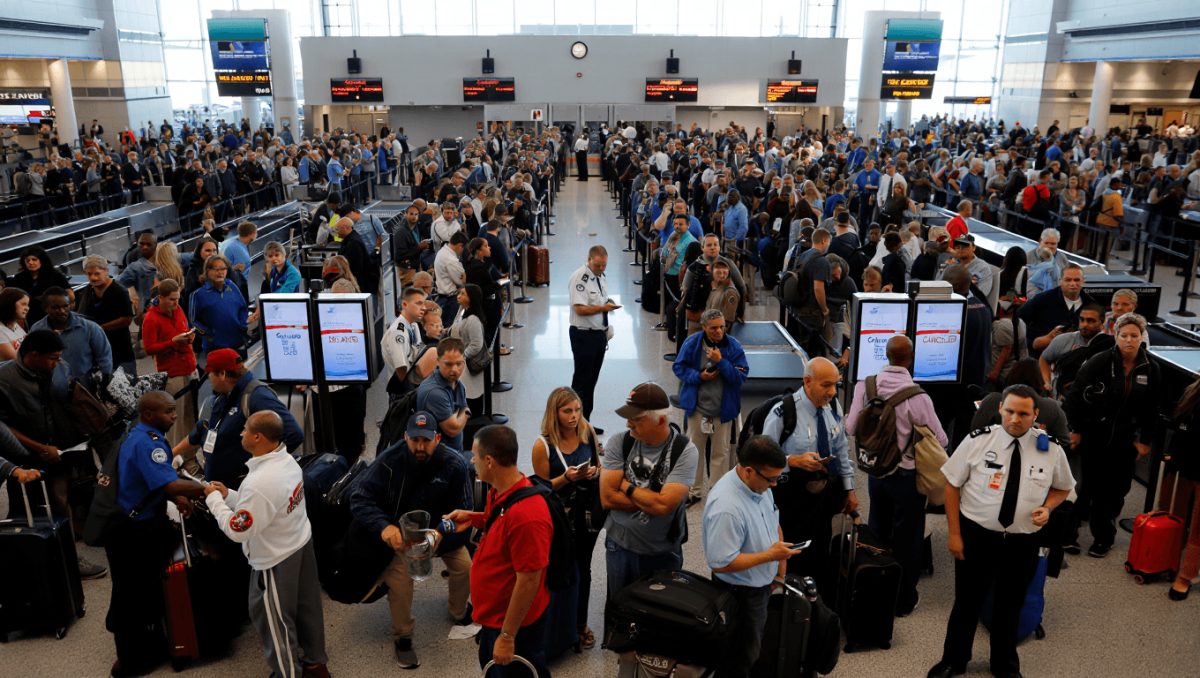
The holiday travel rush is underway, and federal officials are now pushing airline etiquette as a way to calm tensions on crowded flights. A new campaign from the Department of Transportation asks travelers to be considerate, while airlines and safety experts remind passengers that small choices shape everyone’s journey.
Why the Department of Transportation is focusing on passenger conduct
Airlines and regulators have seen a jump in reported unruly incidents compared with pre-pandemic years. While the FAA says incidents dropped after the pandemic peak, current reports are already above 2019 levels. With holiday crowds on the horizon, the DOT wants to reduce confrontations and keep crews safe.
What the DOT’s civility push looks like
The agency released a short campaign built around nostalgia and manners. Vintage airline footage gives way to clips of real-life disputes. Transportation Secretary Sean Duffy appears with practical advice. He urges passengers to be polite to crews, help those who need assistance, and treat fellow travelers with respect.
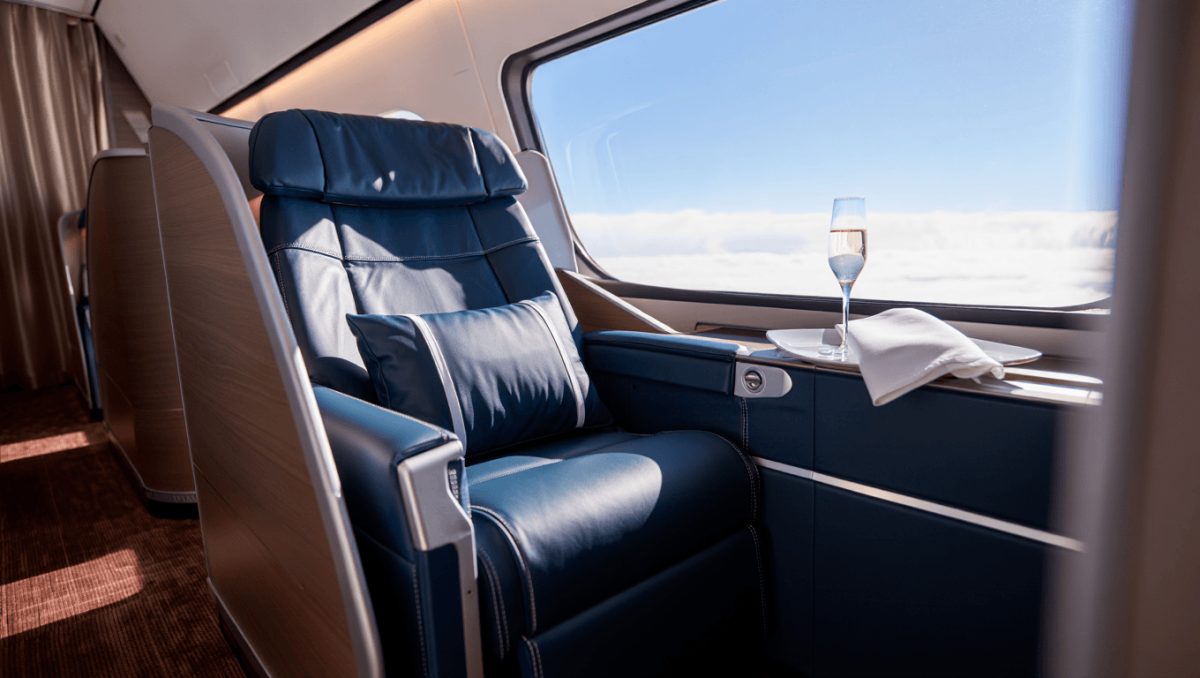
United Polaris Studio suites: tickets now on sale for April inaugural flights
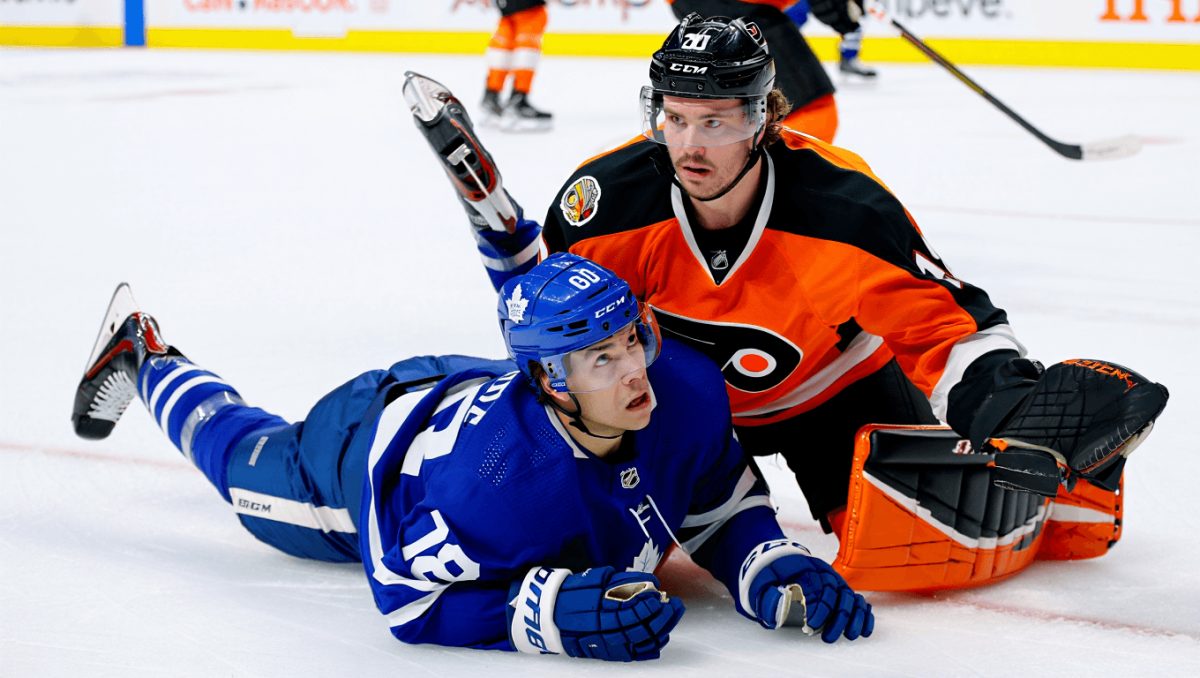
Auston Matthews-Radko Gudas controversy: Pierre LeBrun predicts fallout
Simple travel habits that reduce friction on flights
Packing and boarding
- Pack light when possible. Bulky carry-ons slow boarding and block overhead bins.
- Check a bag if your airline lets you do so at no extra cost.
- Board with your group and wait until your zone is called. Early crowding delays everyone.
- Consolidate items before you reach the gate. Be ready to stow or retrieve essentials quickly.
Seating and in-flight manners
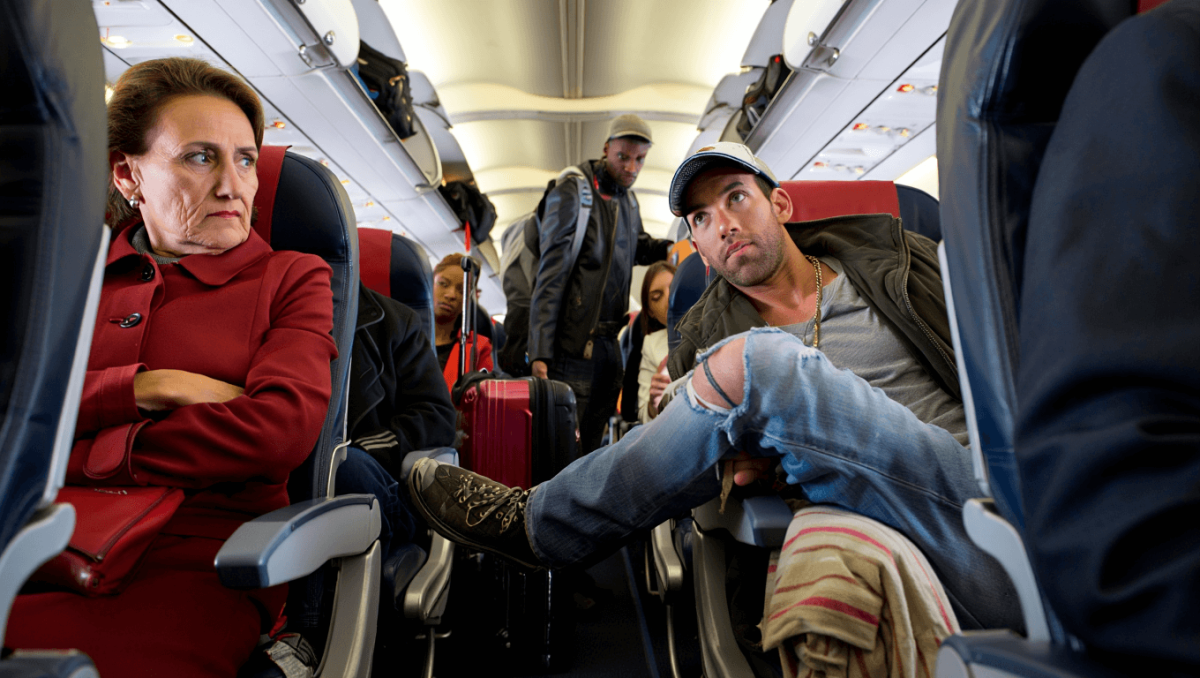
- Be mindful of armrests. Middle-seat passengers often expect shared use, but a polite compromise works best.
- Wear headphones for any inflight entertainment, even for kids.
- Recline with consideration. Don’t push your seat back during meal service or while someone is using a laptop.
Food, cleanliness and grooming
- Avoid pungent foods like tuna, strong cheeses, or grease-heavy fast food. Smells carry in cabins.
- Keep socks on if you remove shoes. Bare feet can be uncomfortable or offensive to neighbors.
- Do small grooming tasks only. Breath mints and light moisturizer are fine. Nail clipping and heavy perfumes are not.
- Leave the lavatory tidy. Wipe surfaces if needed before you exit.
Safety and clothing: balancing comfort with evacuation readiness
Safety experts warn that passenger attire should not hinder an evacuation. Clothes should allow quick movement and shoes should be stable. Some carriers now include appearance rules in their contracts of carriage. One airline has added language allowing removal of passengers who are inadequately clothed or whose attire is offensive.
Advice from aviation safety professionals
Christine Negroni, an aviation writer, advises travelers to think beyond comfort. She suggests avoiding flimsy shoes and loose sleepwear. In an emergency, those choices can slow you down. Practical footwear and non-restrictive clothing can make a difference.
How to model better behavior in tight spaces
- Say thank you to crew members. Politeness defuses tension.
- Offer a hand to pregnant travelers and older passengers when boarding.
- Keep personal items organized to avoid blocking aisles.
- Speak up calmly if an issue arises; aggressive confrontation usually makes things worse.
Practical packing checklist for smoother holiday trips
- Carry a compact set of in-flight essentials (headphones, charger, small blanket).
- Pack snacks that travel well and don’t emit strong odors.
- Choose shoes that are easy to move in and quick to remove if needed.
- Label luggage and gate-check bulky items to reduce overhead bin fights.