Show summary Hide summary
- Why Segovia Should Be on Your Spain Itinerary
- The Roman Aqueduct: Segovia’s Signature Monument
- Cathedrals, Monasteries and Religious Architecture
- The Alcázar: A Fairytale Fortress
- Top Sights and Things to Do
- How Affordable Is Segovia? Practical Budget Info
- Getting There and Practical Tips
- Local Flavor and Why Travelers Love It
Nestled in the heart of Castile and León, Segovia feels like a time capsule. Cobblestone streets, a hilltop castle straight out of a storybook, and an awe-inspiring Roman aqueduct make this compact city a compelling alternative to Spain’s crowded hotspots. For travelers seeking history, atmosphere, and better value, Segovia delivers.
Why Segovia Should Be on Your Spain Itinerary
Segovia lies about an hour northwest of Madrid. It combines Roman engineering, medieval streets, and royal palaces in a compact historic center. Visitors find fewer crowds here than in Barcelona or Seville, yet the cultural payoff is equal or greater.
Knicks superfan Ben Stiller skips Oscars to watch gritty win over Warriors
U.S. embassies warn: 5 new travel alerts after demonstrations spread
- Rich history: Layers from Roman, Visigothic, Moorish, and Christian eras.
- Walkable city: Most major sights sit within a short stroll of each other.
- Better prices: Lower admission and dining costs than big tourist hubs.
The Roman Aqueduct: Segovia’s Signature Monument
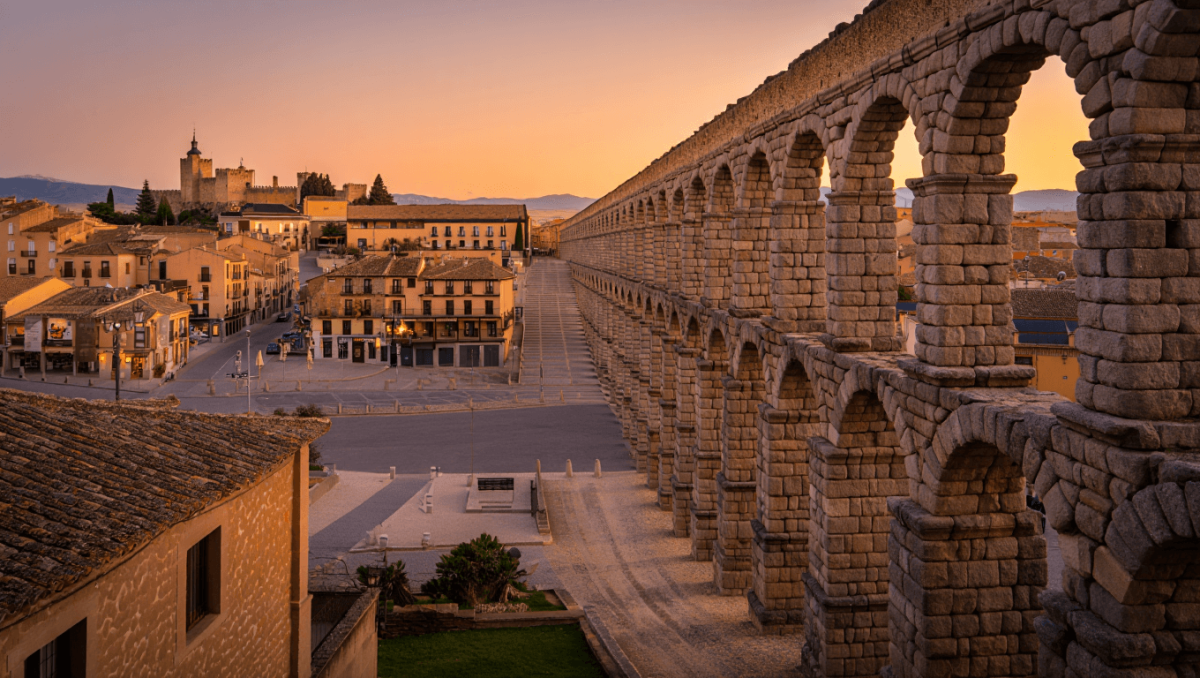
Dominating the lower edge of the old town, the aqueduct is an engineering marvel. It rises in two tiers of granite arches and extends for hundreds of meters across the Plaza del Azoguejo.
- The structure is UNESCO-protected.
- It comprises more than 160 arches and dates back to Roman times.
- You can walk alongside it for dramatic skyline views.
Cathedrals, Monasteries and Religious Architecture
Segovia’s churches reflect Spain’s late Gothic and Mudejar traditions. Their silhouettes define much of the historic center.
Segovia Cathedral
The Catedral de Santa María stands on the Plaza Mayor. Built toward the end of the Gothic period, it is often described as one of the last great Gothic cathedrals in Spain. Its towers, chapels, and ornate facades reward a careful visit.
Monastery of San Antonio el Real
Once a royal hunting lodge, this monastery blends Gothic and Mudejar motifs. Interiors show a softer, detailed style that contrasts with the fortress-like Alcázar nearby.
The Alcázar: A Fairytale Fortress
Perched on a rocky promontory, the Alcázar of Segovia looks like a picture in a children’s book. Its conical towers and crenelated walls inspired artists and, according to many accounts, Walt Disney’s early castle sketches.
- Constructed mainly between the 12th and 13th centuries.
- The Homage Tower once stored royal treasures linked to historic voyages.
- Admission is modest; a full ticket to the palace and grounds is around €9.
Top Sights and Things to Do
- Walk the aqueduct at sunrise or sunset for soft light on the arches.
- Climb the Alcázar towers for panoramic views of the city and plain.
- Explore the narrow lanes that radiate from the Plaza Mayor.
- Visit local tapas bars and try Segovian specialties like roast suckling pig.
- Spend time inside the cathedral to admire stained glass and altarpieces.
How Affordable Is Segovia? Practical Budget Info
Compared with Spain’s headline destinations, Segovia is friendly to budget-conscious travelers. Costs for food, lodging, and admissions remain reasonable.
- Daily lunch menus at local spots: roughly $14, often including starter, main, and a drink.
- Two people dining at a mid-range restaurant: about $44–50 each.
- Typical 3-star hotel rates: around $75–134 per night.
- Example: a popular hotel with many reviews has double rooms from about $88.
Getting There and Practical Tips
Segovia sits roughly 90 kilometers from Madrid. Trains and buses link the two cities often. The city center is compact but hilly, so bring comfortable shoes.
- By train: frequent services from Madrid take about 30–40 minutes to the nearby station, then a short bus or walk into town.
- By car: a convenient option if you plan to explore the region.
- Dress in layers: weather can change quickly on the central plateau.
- Book Alcázar and cathedral tickets in advance during peak months.
Local Flavor and Why Travelers Love It
Segovia’s atmosphere blends history with everyday Spanish life. Small plazas host cafés and tapas bars where locals linger. The pace is slower than major capitals, which many visitors find relaxing.
- Authentic dining: Traditional menus at family-run restaurants.
- Cultural depth: Historic layers visible at almost every corner.
- Photo opportunities: Aqueduct, Alcázar, and narrow medieval streets.