Show summary Hide summary
- Why Suriname deserves more attention now — safety and culture
- How to get there: the easiest international routes
- Surinam Airways and flying considerations
- Paramaribo: colonial streets, modern comforts
- Where to sleep in the wild: eco-lodges and river resorts
- Coastline and beaches: what to really expect
- Wildlife, rivers, and jungle expeditions
- Local food, markets, and cultural experiences
- Practical travel tips and safety essentials
- Who should visit Suriname and what to expect
Hidden from typical tourism maps, Suriname offers a rare mix of dense rainforest, slow rivers, and a capital city with colonial charm. Travelers hungry for something off the beaten path will find lively markets, remote Indigenous villages, and vast stretches of jungle waiting to be explored.
Why Suriname deserves more attention now — safety and culture
Suriname is small in population but large in cultural variety. Indigenous, Javanese, Indian, Creole, and Dutch traditions shape food, festivals, and daily life. That blend gives the country a unique personality few travelers expect.
Government and safety metrics have improved recently. International advisories now list Suriname among safer options in the region. For wary travelers, that translates into fewer crowds and more authentic interactions. For explorers wanting low-key adventure, this timing is ideal.
Nickelodeon star arrested after alleged Malibu burglary
Euphoria season 3: Sydney Sweeney left off set as feud with Zendaya intensifies
How to get there: the easiest international routes
Paramaribo’s Johan Adolf Pengel Airport is the main gateway. Surinam Airways runs a direct link to Miami (MIA) most days of the week. For many U.S. visitors, that single nonstop is the fastest route.
If you prefer larger carriers, you can connect through hubs like Amsterdam or nearby Caribbean airports. Flights are limited compared with popular beach destinations, so plan ahead and allow extra time for connections.
Surinam Airways and flying considerations
Flying directly to Paramaribo feels efficient for U.S. travelers. Surinam Airways operates the route and is monitored by global safety agencies. Airline safety ratings are available and can help calm first-time visitors.
Booking tips:
- Reserve seats early on the Miami–Paramaribo route.
- Check luggage rules; regional flights may have smaller allowances.
- Allow buffer time for international connections.
Paramaribo: colonial streets, modern comforts
Paramaribo is a compact capital. Wooden Dutch colonial houses sit beside modern cafés. Walking the city reveals colorful markets and lively riverside quays.
Recommended hotels in town:
- International chain options for predictable comfort.
- Smaller boutique hotels for local character.
- Riverfront stays that place you close to the water and central sights.
For travelers who want to combine city life with jungle adventure, Paramaribo often serves as the starting and ending point for tours upriver.
Where to sleep in the wild: eco-lodges and river resorts
Most of Suriname’s best nature experiences begin at river lodges. These places fuse basic comfort with off-grid access to rainforest trails, nightly wildlife noises, and local hospitality.
Notable stay types:
- Riverside eco-resorts with guided boat trips.
- Community-run guesthouses inside Indigenous villages.
- Remote jungle lodges reached by motorized canoe or small plane.
If you want authentic immersion, book a stay in an Upper Suriname River village. Many guests sleep in traditional huts and wake to the sounds of the forest. These stays are simple but unforgettable.
Coastline and beaches: what to really expect
Suriname’s Atlantic shorelines are different from classic Caribbean postcards. The coastal water often appears brackish, and beaches can be broad and low-slung rather than the picture-perfect cays many expect.
That said, the coastline has its own draw. Footprint-free sand meets quiet horizons. In many cases, the river scenes are more compelling than the open sea. Travelers who prioritize solitude and nature will find the coast rewarding.
Wildlife, rivers, and jungle expeditions
The rainforest occupies the majority of the country. Guided treks reveal layered ecosystems, from canopy birds to large mammals. Boat trips along the rivers offer prime chances to spot river dolphins and caimans at dawn.
Top activities:
- Guided jungle hikes with local naturalists.
- Multi-day river cruises into the Amazon basin.
- Visits to remote Indigenous and Maroon communities.
Most tours emphasize conservation and sustainable tourism. Guides often know the best animal sightings and the safest river routes.
Local food, markets, and cultural experiences
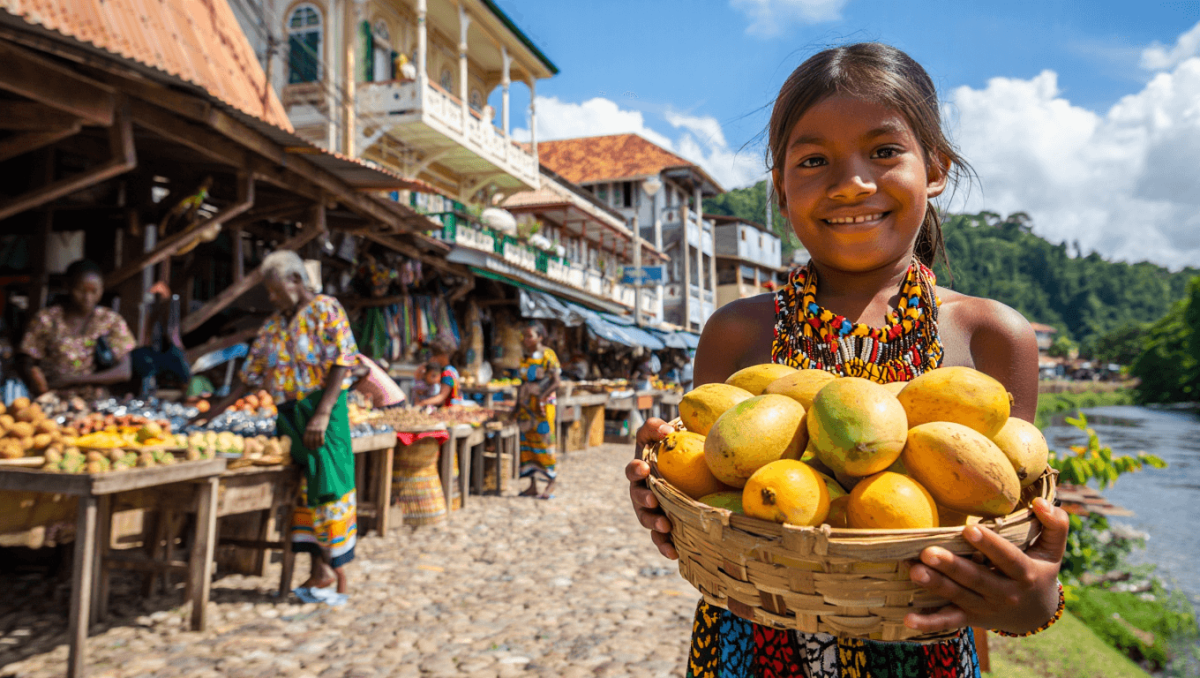
Surinamese cuisine is a reflection of its mixed heritage. You can taste Javanese noodles, Indian curries, Creole stews, and fresh river fish in a single meal.
Don’t miss:
- Street markets with tropical fruits and spicy snacks.
- Riverside eateries serving cassava and smoked fish.
- Weekend cultural events where music and dance blend traditions.
Talking to vendors and elders in villages provides context for local customs and history.
Practical travel tips and safety essentials
Suriname is accessible but requires some planning. Infrastructure outside Paramaribo can be basic. Roads may be unpaved and boats are a main form of transport for many regions.
Key practical points:
- Language: Dutch is official; Sranan Tongo and other languages are widely spoken.
- Currency: the Surinamese dollar (SRD) is used locally.
- Health: pack insect repellent and a mosquito net for jungle stays.
- Season: dry months ease travel on dirt roads and boat schedules.
- Guides: hire local guides for remote excursions and cultural visits.
Who should visit Suriname and what to expect
Suriname suits travelers who prefer discovery over luxury resorts. Expect modest tourism infrastructure in many places. In return, you get close encounters with nature and warm local hospitality.
If you want polished beaches and all-inclusive amenities, this may not be the place for you. But if you crave riverside lodges, jungle treks, and cultural depth, Suriname delivers in spades.
Booking suggestions and local operators
Look for operators who specialize in sustainable, small-group travel. Local companies often provide the best access to remote areas and employ guides from the communities you visit.
Consider:
- Booking multi-day jungle packages that include transport and meals.
- Choosing lodges that support conservation or community projects.
- Checking recent traveler reviews for service updates.