Show summary Hide summary
- Why choose lesser-known Italian towns for your next trip
- Udine — Venetian elegance without the throngs
- Vicenza — Palladio’s legacy and calm streets
- Perugia — Umbrian charm and medieval lanes
- Lecce — Baroque beauty in the heel of Italy
- Scicli — Sicily’s mellow Baroque town
- Smart tips to save money and avoid crowds in Italy
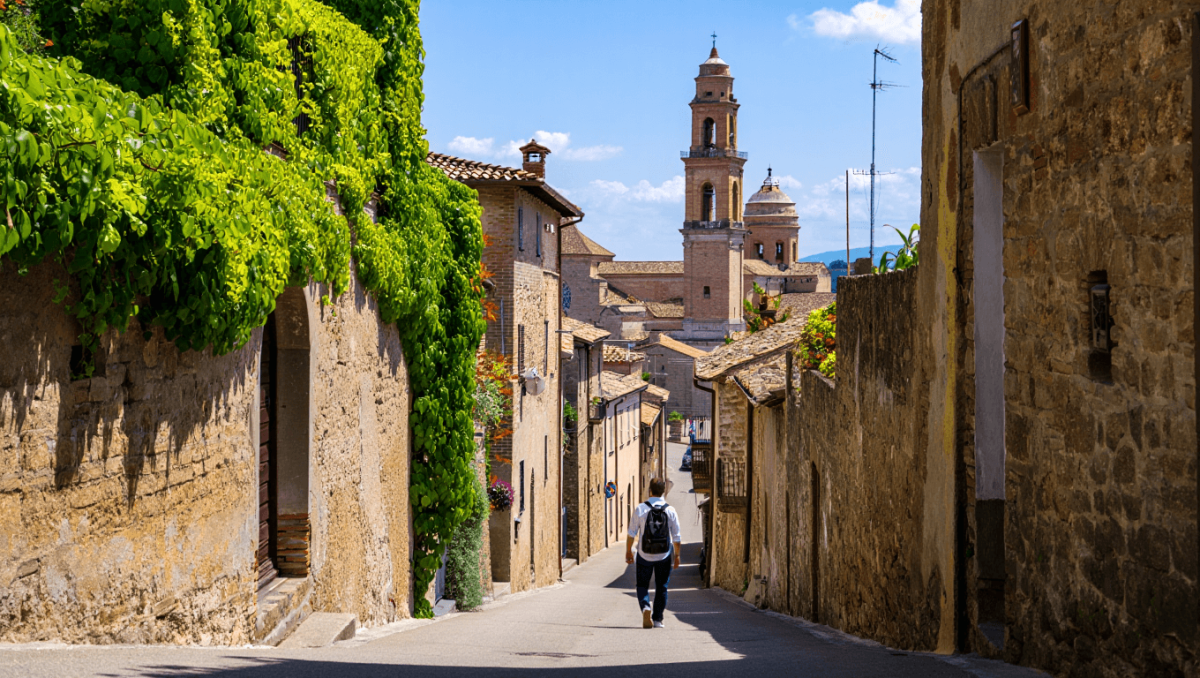
Italy’s famous landmarks draw crowds, but the country also hides quiet towns where cobblestone streets, baroque churches, and home-cooked meals feel like a discovery. If you want beauty without the elbow-to-elbow tourism, these off-radar places reward curious travelers with history, flavor, and more reasonable prices.
Why choose lesser-known Italian towns for your next trip
Big cities offer iconic sights and high costs. Small cities give you space to breathe. They also deliver deep local culture.
United Polaris Studio suites: tickets now on sale for April inaugural flights
Auston Matthews-Radko Gudas controversy: Pierre LeBrun predicts fallout
- Fewer crowds at major attractions.
- Lower hotel and dining costs than hotspots like Milan or Amalfi.
- More chances to meet locals and taste regional dishes.
Udine — Venetian elegance without the throngs
Udine sits in Italy’s northeast. It blends Gothic and Venetian styles into a refined center. Visitors find a calm, walkable city with authentic cuisine.
Highlights to add to your itinerary
- Piazza della Libertà with its Venetian facades.
- Loggia del Lionello and the historic Clock Tower.
- Udine Castle for small but rich art collections.
- Family-run trattorie serving regional plates like frico with polenta.
Typical budget snapshot
- Average hotel price per night: $70–$120.
- Daily expenses (food, transport, entry fees): $40–$80.
Pro tip: Explore the side streets at dusk for quieter photo spots and better table service.
Vicenza — Palladio’s legacy and calm streets
Vicenza is a study in Renaissance architecture. It’s celebrated for Andrea Palladio’s buildings. The town feels grand, yet relaxed.
Must-see sites
- Piazza dei Signori and the Torre Bissara.
- Basilica Palladiana, a UNESCO architectural highlight.
- Giardini Salvi, a tree-lined park ideal for an afternoon stroll.
- Local osterie serving Veneto-style pasta and wines.
Average costs for travelers
- Hotel per night: $80–$130.
- Daily spend: $50–$90.
Why go: Stunning architecture with far fewer selfie sticks than Venice.
Perugia — Umbrian charm and medieval lanes
Perugia sits on a hill in Umbria. It offers medieval walls, stone streets, and a lively university energy. The city mixes history with a youthful buzz.
Top attractions
- Palazzo dei Priori with its ornate halls.
- Fontana Maggiore, a sculpted 13th-century fountain.
- Perugia Cathedral and atmospheric piazzas.
Expense guide
- Nightly hotels: $60–$110.
- Daily costs: $45–$85.
Local tip: Visit the craft shops and chocolate boutiques to sample regional specialties.
Lecce — Baroque beauty in the heel of Italy
Lecce is nicknamed the “Florence of the South.” Its sandstone facades glow in the sun. The city is a Baroque showcase and a culinary stop in Puglia.
What to see and taste
- Basilica di Santa Croce, known for intricate stonework.
- The Roman amphitheater tucked beneath modern streets.
- Try pasticciotto, a custard-filled pastry best fresh from local cafés.
Cost expectations
- Hotel per night: $70–$120.
- Daily spending: $50–$90.
Best moment: Early evening when piazzas fill with locals and the light softens the stone.
Scicli — Sicily’s mellow Baroque town
Scicli sits in the Val di Noto and keeps a peaceful, sunlit charm. It offers ornate palazzi and quiet squares without Taormina-scale crowds.
Highlights to explore
- Via Francesco Mormina Penna with its palaces and cafés.
- Palazzo Beneventano, a top Baroque example.
- Chiesa di San Matteo as a sunset viewpoint.
Spending outline
- Hotel cost per night: $55–$100.
- Daily expenses: $40–$75.
Insider suggestion: Time your visit for late afternoon light to see the town bathed in gold.
Smart tips to save money and avoid crowds in Italy
- Travel shoulder season to cut prices and skip peak lines.
- Choose small family-run hotels or B&Bs for better rates.
- Use trains and regional buses to reach lesser-known towns.
- Eat where locals eat. Menus in smaller towns are often cheaper.
- Book main attraction tickets in advance but arrive early to enjoy quieter hours.
Remember: Small towns reward slow travel. Take time to wander, taste, and talk with locals.