Show summary Hide summary
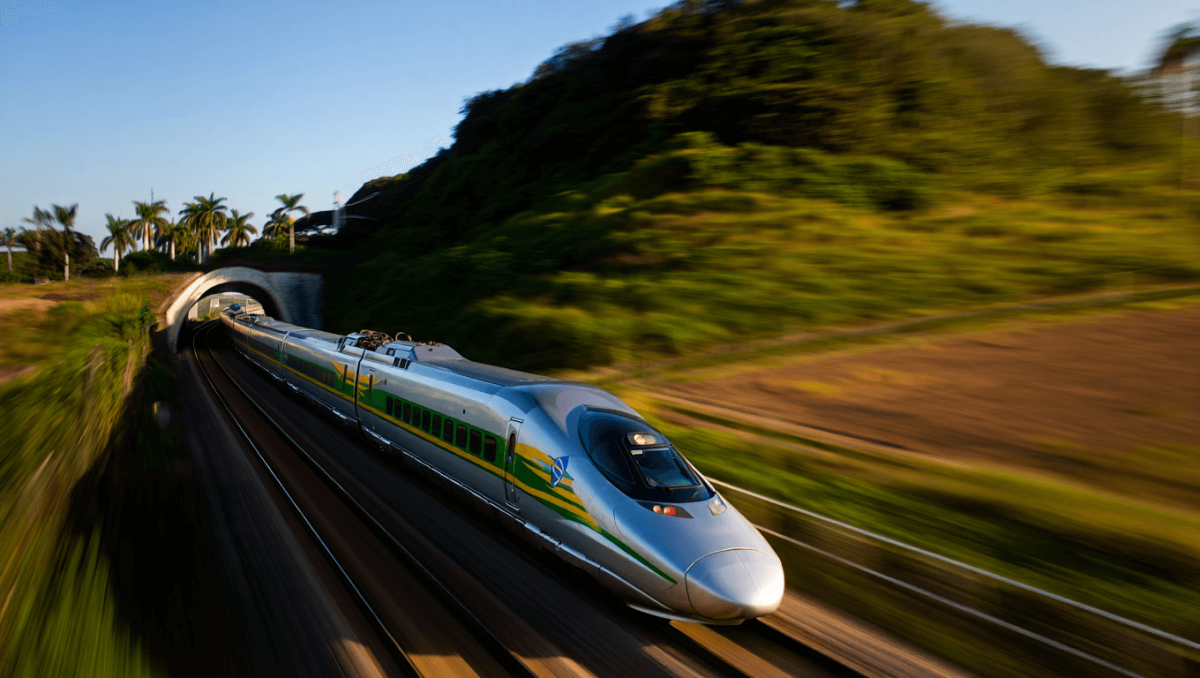
Brazil is gearing up to rewrite its travel map. A long-awaited high-speed rail link will finally connect the country’s marquee metropolises, promising to turn long road or air transfers into fast, comfortable rail trips.
What the new high-speed line will change for visitors
For years, hopping between Rio de Janeiro and São Paulo meant battling traffic or taking a short flight. That will shift dramatically.
Christina Haack stuns in cream crochet bikini: responds to fourth engagement rumors
Knicks superfan Ben Stiller skips Oscars to watch gritty win over Warriors
- Faster connections: The proposed service aims to cut travel time to under two hours.
- More flexible itineraries: Day trips and quick weekend plans between the two cities will become realistic.
- Airport avoidance: Travelers could skip crowded terminals and long security lines.
The line will let tourists stack experiences. One morning coffee in São Paulo, an afternoon on Copacabana, and an evening return are now conceivable.
Route, speed and who’s building it
The project, led by TAV Brasil, has received approval to move forward.
The corridor will span roughly 220 miles and is expected to reach speeds near 200 mph. That performance would transform a six-hour ground trip into a sub-two-hour ride.
Key facts at a glance
- Operator: TAV Brasil
- Route: Rio de Janeiro — São Paulo
- Distance: ~220 miles
- Target top speed: ~200 mph
- Estimated in-service year: 2032
- Preliminary fare estimate: about $94
How it will affect tourism and daily life
Beyond sightseeing, the line could change business travel, weekend housing choices, and domestic tourism patterns.
- Business travelers can attend meetings in one city and return the same day.
- Tourists may opt to base themselves in one hub and visit the other by rail.
- Local commuters and regional industries could see ripple effects once feeder connections improve.
Brazil’s current passenger rail options worth knowing
While a high-speed network is new, Brazil already has a handful of passenger routes worth exploring.
Vale operates the country’s most notable services today. These lines are not high-speed, but they offer scenic and historic journeys.
- Belo Horizonte — Vitória — a rare inter-capital rail link.
- Parauapebas — São Luís — primarily a freight corridor with limited passenger seats.
- Ouro Preto — Mariana — a short route connecting colonial towns rich in architecture and history.
Additionally, a new overnight service labeled the “Holiday Train” is scheduled to launch in January 2026 between Belo Horizonte and Vitória.
Practical planning tips for travelers
Want to time a trip around rail openings? Keep these points in mind.
- Expect the high-speed line to begin service around 2032, though schedules can change.
- Ticket pricing and capacity details are still being finalized.
- Many international visitors arrive via Rio or São Paulo, which will be key gateway cities for the new service.
- Be aware of visa rules and fees for U.S. citizens, which may affect travel planning and route choices.
What to watch as the project progresses
Watch for construction milestones, regulatory updates, and announcements about ticketing and schedules.
When operators publish timetables and fares, travelers can plan multi-city trips that were impractical before the bullet train era.