Show summary Hide summary
- How Delta built a new standard for premium seating
- Rivals mimic the playbook: why copycats are emerging
- Why travelers are choosing upgraded seats
- The economics behind premium cabins
- Operational challenges and trade-offs
- How loyalty programs and corporate deals factor in
- What passengers should consider before upgrading
- Looking ahead: where premium travel is headed
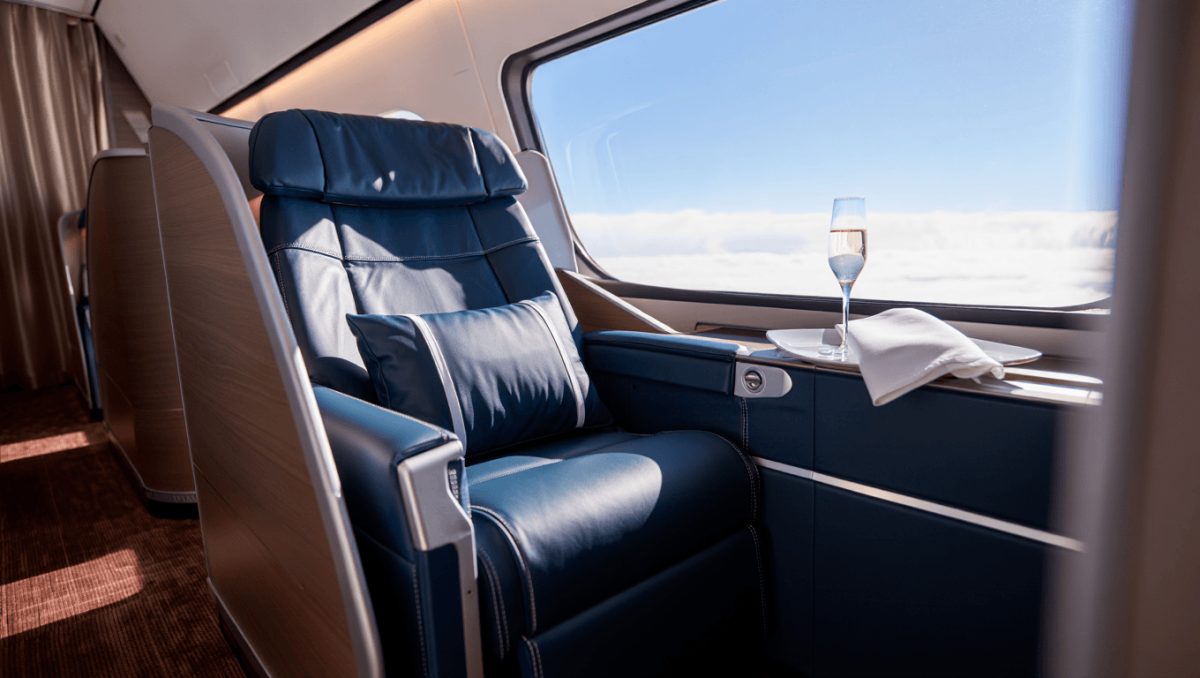
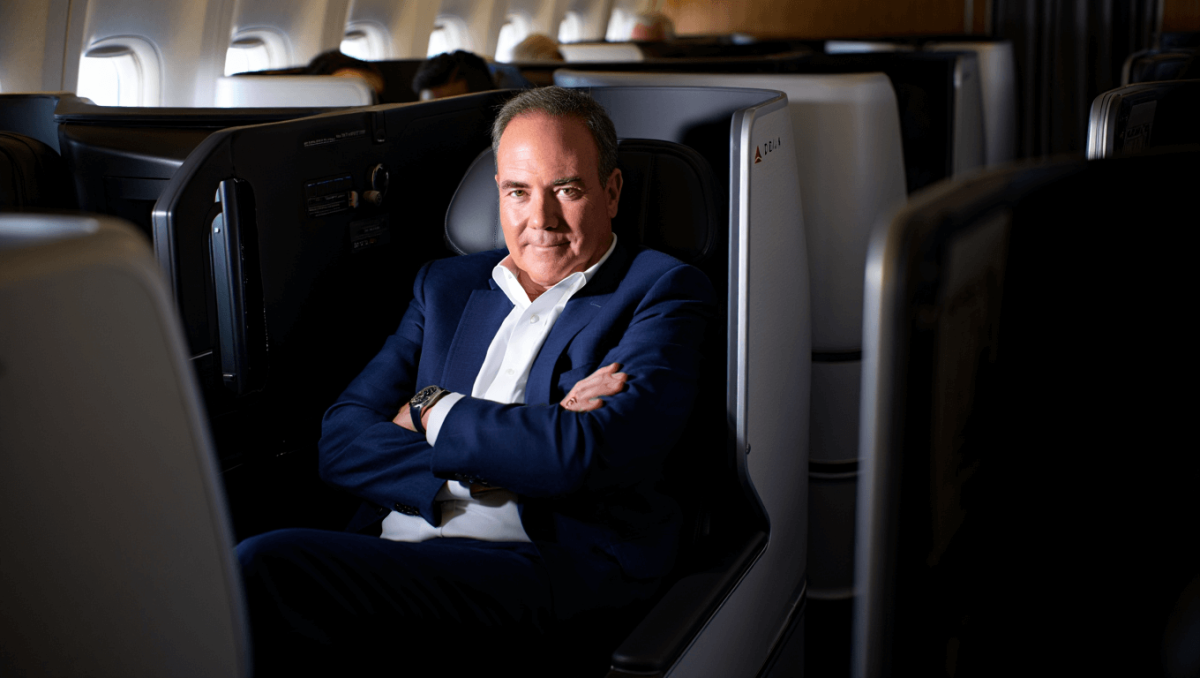
Delta’s CEO says the air travel market is shifting as passengers increasingly pay for more comfortable seats. Airlines across the globe are racing to match Delta’s premium offerings as travelers prioritize space, privacy and a better onboard experience.
How Delta built a new standard for premium seating
Over the past few years, Delta Air Lines invested heavily in cabin upgrades. The carrier expanded lie-flat beds, redesigned domestic first-class, and rolled out refreshed premium-economy sections. These moves aimed to turn a commodity service into a differentiated experience.
Arkansas’ Darius Acuff Jr. earns rare Kyrie Irving comp from Bill Simmons
Sean Penn awarded Oscar forged from war-damaged Ukrainian train: he skipped the ceremony
- Delta One and premium economy became cornerstones of the strategy.
- Design changes emphasized privacy, storage, and ease of use.
- Onboard tech and Wi‑Fi improvements complemented the physical upgrades.
Rivals mimic the playbook: why copycats are emerging
Delta’s rivals are watching closely and adapting. They are launching similar seat products, introducing new cabin classes, and testing layouts that echo Delta’s investments.
- Airlines see premium seating as a revenue lever and marketing advantage.
- Fleet modernizations provide a natural opportunity to introduce new cabins.
- Competition for business and high-yield leisure travelers drives imitation.
Why travelers are choosing upgraded seats
Passengers now expect more than just a seat. Time-sensitive customers and those willing to spend for comfort favor options that reduce travel fatigue.
- More legroom and recline for long flights.
- Increased privacy for work or rest.
- Improved meal service and dedicated flight-attendant attention.
Demographics and booking trends
Business travelers remain a key audience, but leisure flyers also pay up for premium cabins. Short-haul upgrades are rising as well, with travelers seeking comfort on flights of all lengths.
The economics behind premium cabins
Upgrading cabins is not just passenger-facing. Airlines run complex calculations to ensure the changes boost yields.
- Higher ticket prices for premium seats can offset fewer seats per aircraft.
- Ancillary revenue, like upgrades and bundled amenities, supports profitability.
- Brand differentiation helps command loyalty from high-value customers.
Operational challenges and trade-offs
Installing larger seats means fewer total seats. Airlines must balance capacity, route demand, and gate resources. Some carriers limit premium inventory to busy routes where demand is strong.
- Aircraft weight and fuel burn change with different seating layouts.
- Maintenance and cabin refurbishment require capital and downtime.
- Customer expectations rise, increasing pressure on service delivery.
How loyalty programs and corporate deals factor in
Frequent flyer perks and corporate travel agreements magnify the impact of premium cabins. Companies often pay more for predictable comfort for employees on long trips.
- Upgraded cabins can be part of negotiated corporate contracts.
- Loyalty-tier perks often include complimentary upgrades or priority access.
- Airlines use loyalty benefits to drive repeat premium bookings.
What passengers should consider before upgrading
Not every upgrade suits every traveler. Look at flight length, schedule, and the specific product rather than the label.
- Compare seat pitch, width, and recline across carriers.
- Check baggage allowances and bundled services.
- Factor in loyalty benefits and potential upgrade opportunities.
Looking ahead: where premium travel is headed
Expect more customization and flexibility. Airlines will test modular seats, new materials, and variable cabin mixes. Tech enhancements will also shape the experience.
- Personalized service through apps and onboard connectivity.
- Modular cabin designs allow airlines to adapt faster.
- Environmentally lighter materials may reduce operating costs.
Consumer takeaway
Travelers now have more choices. Competition to match Delta’s premium offerings means cleaner products and more options across carriers. Savvy passengers will compare value, not just brand names, to find the best fit for their next trip.