Show summary Hide summary
- Major edits to the White House website explained
- Which events were highlighted — and which were not
- Impeachments and selective memory on the timeline
- Misplaced images and factual mistakes
- Unusual inclusions: tennis court and cocaine discovery
- Public response and social media reactions
- Timing and controversy around the East Wing project
- How the timeline reads to historians and internet users
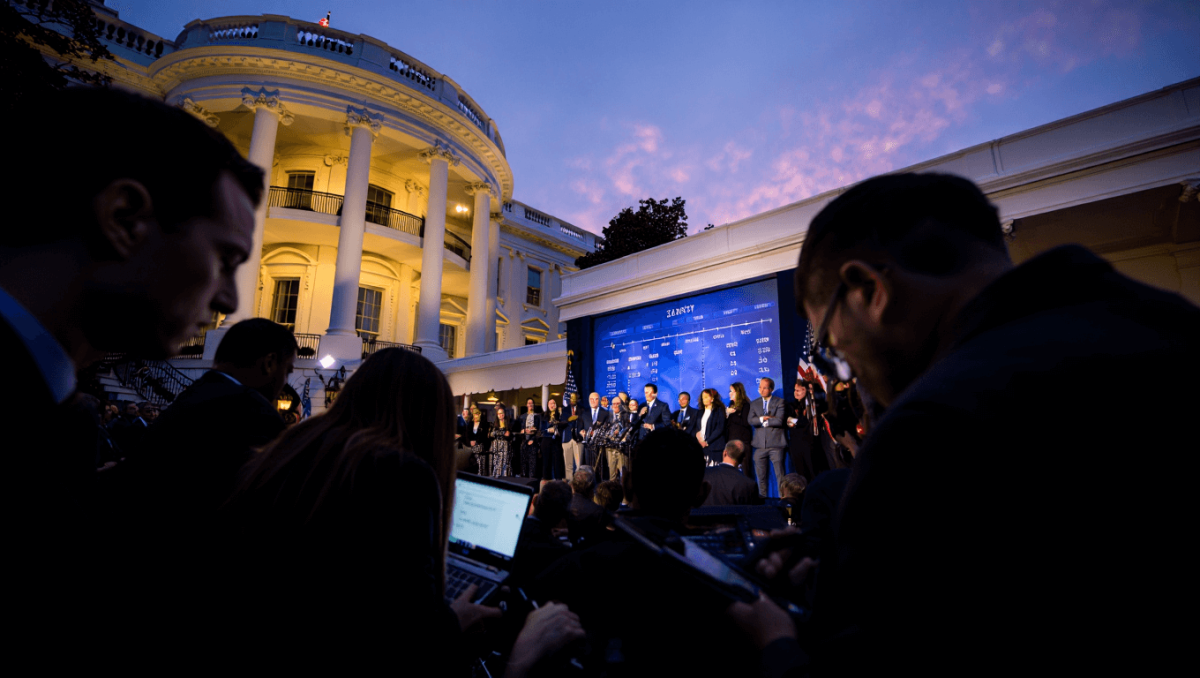
The White House has quietly added a “major events” timeline to its official site, and the choices are drawing scrutiny. The new timeline accompanies major renovations to the East Wing, and critics say the content looks more like a political defense than a neutral history lesson.
Major edits to the White House website explained
The administration describes recent construction as an upgrade to the East Wing. Work on the building has included demolition of parts of the East Wing to make room for a new ballroom. Officials say the project will modernize facilities for public events.
Dolly Parton: the surprising true story behind I will always love you
Miley Cyrus gushes over godmother Dolly Parton: the most loved person on the planet
Alongside the renovation news, the White House launched a timeline under the “About the White House” section. The timeline traces the residence’s history from the 18th century to present-day changes.
Which events were highlighted — and which were not
The timeline lists several episodes from American history, but observers noticed selectivity in what was included.
- Begins with George Washington choosing the site in 1791.
- Includes the Clinton impeachment, labeled as the “Bill Clinton Scandal.”
- Omits both of President Trump’s impeachments.
- Makes note of a privately funded tennis court unveiled in 2020.
- Mentions the discovery of cocaine in the West Wing in 2023.
- Lists Trans Day of Visibility, with factual errors and outdated wording.
Impeachments and selective memory on the timeline
The timeline highlights President Clinton’s 1998 impeachment but does not show President Trump’s two impeachments. The first impeachment came in late 2019 for abuse of power and obstruction of Congress. The second came in January 2021 for alleged incitement of insurrection.
The timeline’s omission of those events has prompted critics to call the presentation partisan. Both of Trump’s impeachment trials resulted in acquittals in the Senate.
Misplaced images and factual mistakes
One entry titled “Muslim Brotherhood Visit” is paired with an image of Barack Obama in traditional Somali attire. That photo is actually from a 2006 trip to Kenya when he was a U.S. senator. The image does not depict a White House event.
Another entry, listing Trans Day of Visibility, contains multiple errors. The site attributes the day to a specific date connected to Easter and uses the outdated term “transsexuals.” In reality, Trans Day of Visibility was founded in 2010 and was later recognized by presidential proclamation in 2021.
Unusual inclusions: tennis court and cocaine discovery
The timeline jumps ahead to 2020 and highlights a privately funded tennis court, described as enhancing recreational space for First Families. It then records the 2023 discovery of a bag of cocaine in the West Wing.
After an FBI review, Secret Service officials said they could not conclusively identify who owned the drug. Some political figures pushed unproven theories about ownership. Hunter Biden, who has publicly discussed past addiction, denies involvement and says he has been sober since 2019.
Public response and social media reactions
Reaction on social platforms has been swift and often sharp. Many users framed the timeline as an attempt to justify the East Wing demolition. Comments ranged from disbelief to outrage.
- Some called the timeline “partisan” and “unhinged.”
- Others pointed to the imbalance between centuries of history and recent, highly selective slides.
- A number of posts highlighted factual errors and the misleading use of images.
Timing and controversy around the East Wing project
Civil and preservation groups have questioned the timing of the demolition and the historical impact. Opponents argue the removal of original structures erases heritage. Supporters claim the update is necessary for modern functions and events.
Critics say the website changes read like political cover for physical alterations to an iconic building.
How the timeline reads to historians and internet users
Historians and casual readers noted an uneven narrative. Early slides cover two centuries of history in a matter-of-fact way. The most recent decades are presented through a partisan lens.
Errors, misattributions, and omissions have become the focus of online discussions. Many users are sharing screenshots and calling for corrections.