Show summary Hide summary
- What the USDA announced and why benefits will stop
- How families and communities are coping right now
- Timing and political tensions as the holidays approach
- Federal spending headlines that are fueling public anger
- Political reactions and social media backlash
- Practical steps families and communities are taking
- Information to watch and where to find updates
More than 40 million Americans who rely on Supplemental Nutrition Assistance Program payments face a sudden gap in benefits on November 1 as the partial government shutdown persists, according to USDA notices and reporting. The halt threatens food security for families already stretched thin heading into the holidays and has intensified public debate about federal spending priorities and political accountability.
What the USDA announced and why benefits will stop
Agency message and immediate effect
Miley Cyrus gushes over godmother Dolly Parton: the most loved person on the planet
Dolly Parton cause of death revealed: family confirms she secretly battled cancer
The USDA posted a notice indicating that SNAP disbursements due on November 1 will not go out because available funds are exhausted. This interruption means recipients who count on monthly benefits could see their food budgets disappear overnight.
Emergency reserves and the agency’s choice
There is an emergency backstop within the department designed for crisis use. Multiple outlets report the USDA has decided not to tap that fund during the shutdown. The agency’s decision leaves millions without the cushion the program normally provides.
How families and communities are coping right now
Local schools, food banks, and neighborhood groups are already scrambling to plug the gap. Social media and community message boards show parents and educators coordinating food drives and appeals.
- School principals have posted plea messages asking for donations to help students whose household SNAP benefits were cut.
- Food pantries report rising demand as people seek immediate help before the first of the month.
- Households typically reliant on SNAP are weighing whether to skip nutritious items to cover basic groceries.
The pause in benefits will most directly affect children, seniors, and low-income workers who lack savings to absorb sudden shortfalls.
Timing and political tensions as the holidays approach
The interruption comes with Thanksgiving in view, a seasonal moment when many families normally plan larger meals. The timing has sharpened criticism from civic leaders and advocates.
- Advocacy groups warn the lapse could increase hunger during a key holiday period.
- Some elected officials are publicly condemning the choice to let benefits lapse rather than use contingency funds.
Federal spending headlines that are fueling public anger
The shutdown and SNAP pause have collided with reports of high-cost projects and expenditures elsewhere in government and among political figures. Those headlines have amplified frustration about priorities.
- Media reports have highlighted major renovation and expansion costs for parts of the White House complex.
- Separate reports cite large purchases of aircraft and related upgrades for some state and federal offices.
- There are allegations in various outlets about potential claims for compensation in ongoing legal and political disputes.
These stories have become touchpoints in the debate over resource allocation as food assistance is interrupted.
Political reactions and social media backlash
Images and clips of the president dancing on a foreign trip circulated widely online. Critics contrasted those moments abroad with the domestic impact of halted benefits, calling the optics troubling.
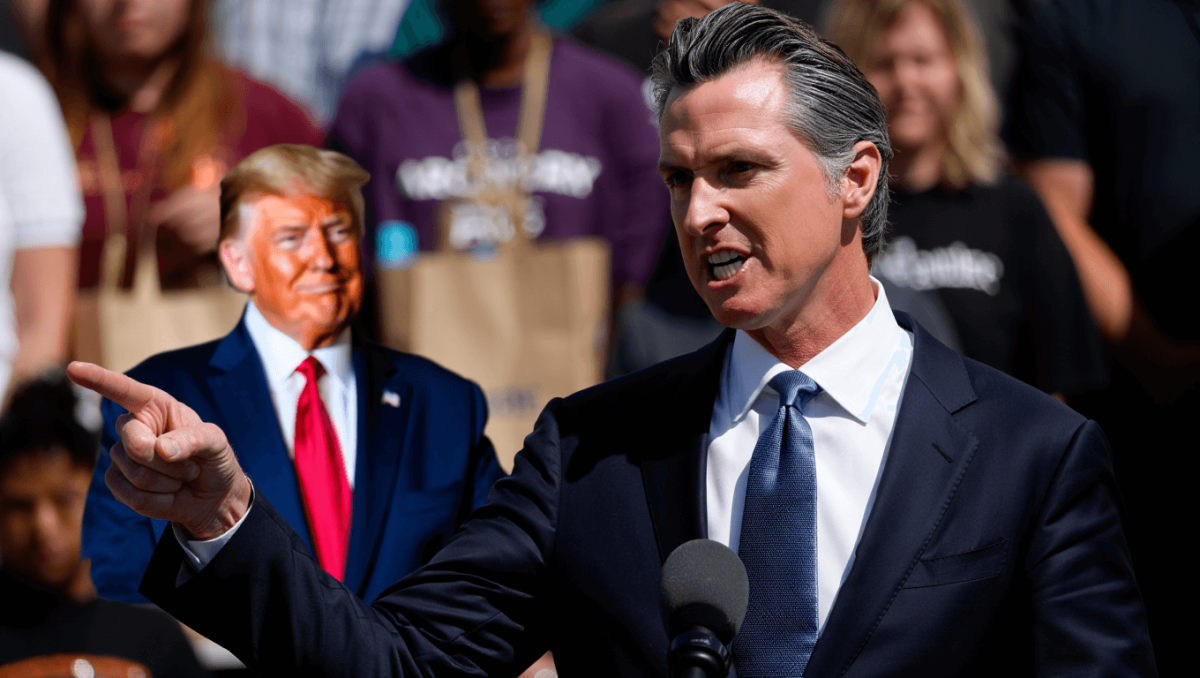
State and local leaders, advocacy groups, and private citizens voiced sharp criticism on social platforms. One prominent governor publicly denounced the president’s overseas behavior while millions faced a loss of food assistance, calling the action unacceptable and expressing anger on behalf of affected families.
Practical steps families and communities are taking
With uncertainty over federal payments, many are turning to immediate, community-level responses.
- Neighbors and local nonprofits are organizing emergency food distributions.
- Schools are expanding meal programs where possible to cover students in need.
- Charitable groups are coordinating drop-off points and targeted outreach for seniors and families with young children.
Food banks advise those affected to contact local agencies now to learn about pickup times and eligibility for supplemental programs.
Information to watch and where to find updates
Recipients should monitor official USDA channels and state human services websites for the latest on SNAP disbursements. Local social service agencies will post community resources and emergency assistance options.
- Check state Department of Human Services alerts for changes to benefit schedules.
- Follow credible local nonprofits and food bank pages for immediate help locations.
- Contact elected representatives to ask about contingency plans and policy responses.