Show summary Hide summary
- What JSX’s new turboprop routes mean for travelers
- Route details and airport choices to note
- Onboard experience: what to expect on turboprop flights
- Why turboprops are a strategic choice for these markets
- How fares, booking, and loyalty work
- Market context: competition and consumer demand
- Practical tips for passengers choosing JSX turboprop flights
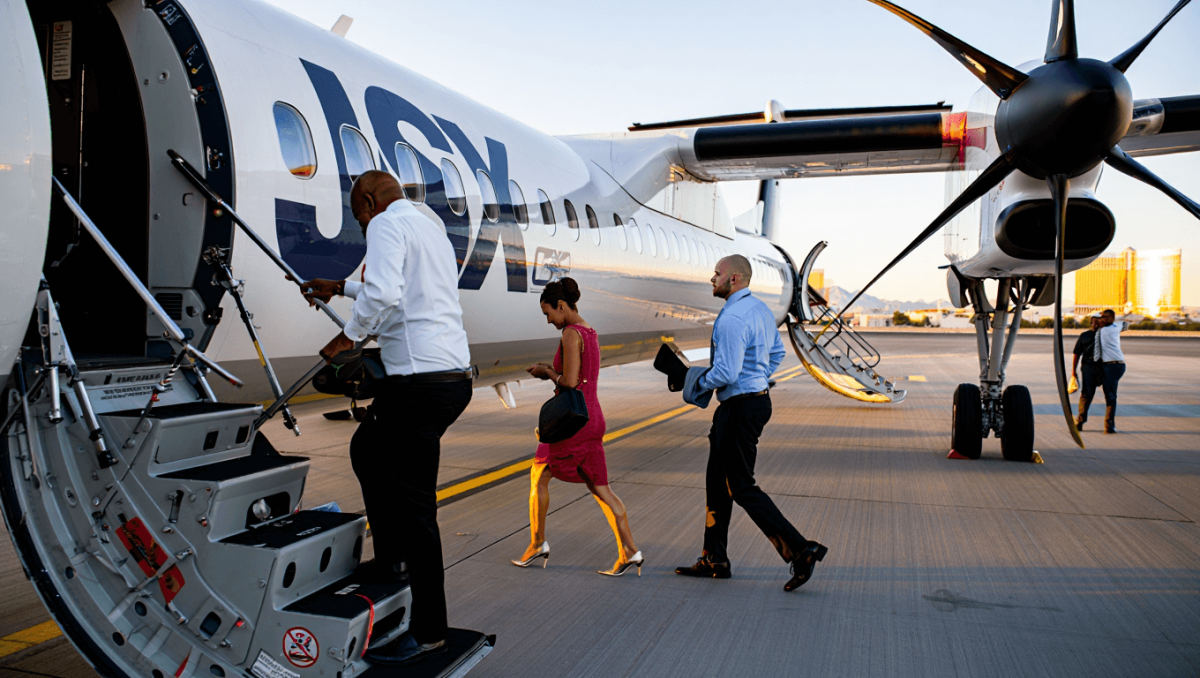
JSX is widening its footprint in the western U.S. by adding turboprop service that connects travelers to Las Vegas and Scottsdale. The move aims to mix the convenience of semi-private air travel with the economics and flexibility of turboprop aircraft.
What JSX’s new turboprop routes mean for travelers
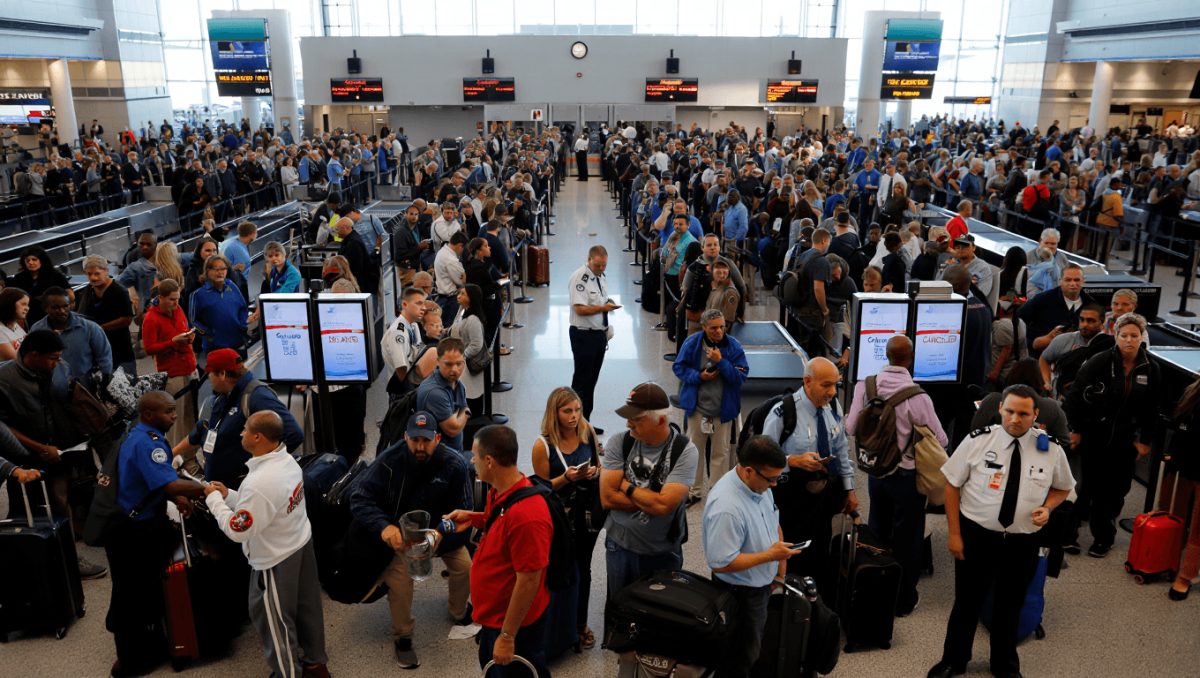
Passengers can expect quicker check-ins and access to private terminal boarding at airports serving Las Vegas and Scottsdale. JSX’s turboprop additions are designed to reach smaller fields and reduce travel time to and from city centers.
United Polaris Studio suites: tickets now on sale for April inaugural flights
Auston Matthews-Radko Gudas controversy: Pierre LeBrun predicts fallout
- Faster access: Private-terminal operations cut time spent in crowded commercial terminals.
- Frequent service: Timetables are geared to business and leisure needs throughout the week.
- Regional reach: Turboprops allow JSX to open routes that jets can’t serve efficiently.
Route details and airport choices to note
JSX’s expanded schedule targets both leisure travelers and short-haul business flyers. The Las Vegas and Scottsdale links use airports chosen for closer downtown access and simpler ground transfers.
- Las Vegas service is tailored for weekend and event traffic.
- Scottsdale runs focus on business and resort visitors bound for the Phoenix area.
- Flights will operate from private terminals that streamline boarding.
Onboard experience: what to expect on turboprop flights
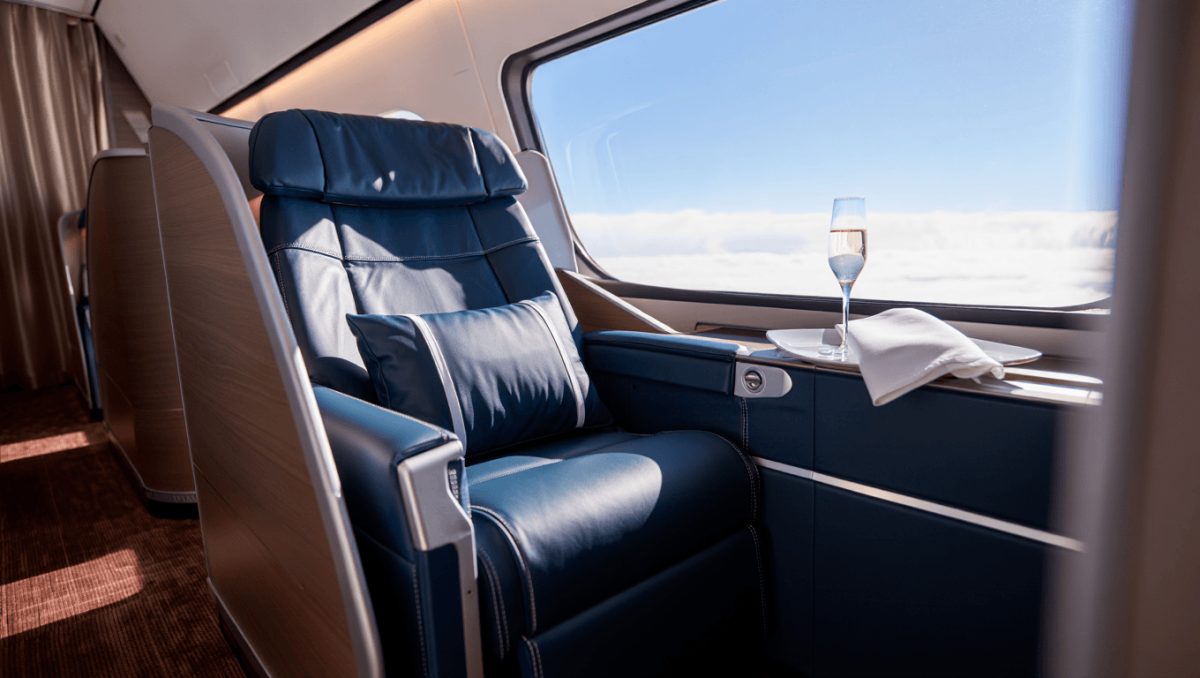
The carrier promises the JSX experience—comfortable seats, a more private cabin, and streamlined boarding—now on turboprop equipment. While cabins differ from large jets, the service model remains centered on ease and predictability.
- Comfort: Cabin layout prioritizes legroom and personal space.
- Service: Light refreshments and attentive crew service typical of JSX.
- Speed to gate: Private-terminal operations mean no long security lines.
Why turboprops are a strategic choice for these markets
Turboprops deliver operational advantages on short regional hops. They’re economical on fuel for short sectors and can use runways that bigger jets cannot. That flexibility helps JSX serve underserved city pairs.
- Lower operating costs on short routes.
- Access to airports closer to city centers and resorts.
- Ability to add frequency without the overhead of larger aircraft.
How fares, booking, and loyalty work
Tickets for the new turboprop routes will be available through JSX’s website and app. Pricing aims to be competitive with regional carriers while including JSX’s semi-private perks.
- Booking options include one-way and round-trip fares.
- Check-in windows and baggage policies mirror existing JSX standards.
- Frequent travelers should review any loyalty or partner benefits that apply.
Market context: competition and consumer demand
The move comes as airlines look to capture short-haul leisure and business travel demand. JSX’s model, blending private-terminal convenience with public-charter accessibility, targets travelers seeking time savings.
- Leisure traffic to Las Vegas remains strong year-round.
- Scottsdale draws business and resort visitors in peak seasons.
- Regional turboprop routes can stimulate new travel patterns and day trips.
Practical tips for passengers choosing JSX turboprop flights
Travelers should compare total door-to-door time, not just flight duration. Private-terminal access often shortens airport time considerably.
- Arrive at the private terminal within the recommended window.
- Verify baggage allowances before travel.
- Use the JSX app for real-time updates and mobile boarding.