Show summary Hide summary
- Spirit Airlines’ turmoil and what it means for flyers
- Network shifts and route realignments to watch in 2026
- Labor talks and airline staffing: potential disruptions ahead
- Aircraft deliveries, retirements and the evolving fleet mix
- Green aviation: SAF mandates, carbon targets and airline commitments
- Ticket pricing trends, fees and evolving consumer protections
- Regulatory scrutiny, competition law and potential consolidation
- Safety oversight and maintenance issues under the microscope
- Tech, AI and passenger experience: faster, smarter travel
Travelers and industry watchers began 2026 with eyes fixed on Spirit Airlines, as the ultra-low-cost carrier navigates leadership turmoil, service disruptions and a public relations crisis. That upheaval is just one of several aviation storylines likely to define the year, from labor negotiations and fleet deliveries to green fuel mandates and new technology shaping passenger experience.
Spirit Airlines’ turmoil and what it means for flyers
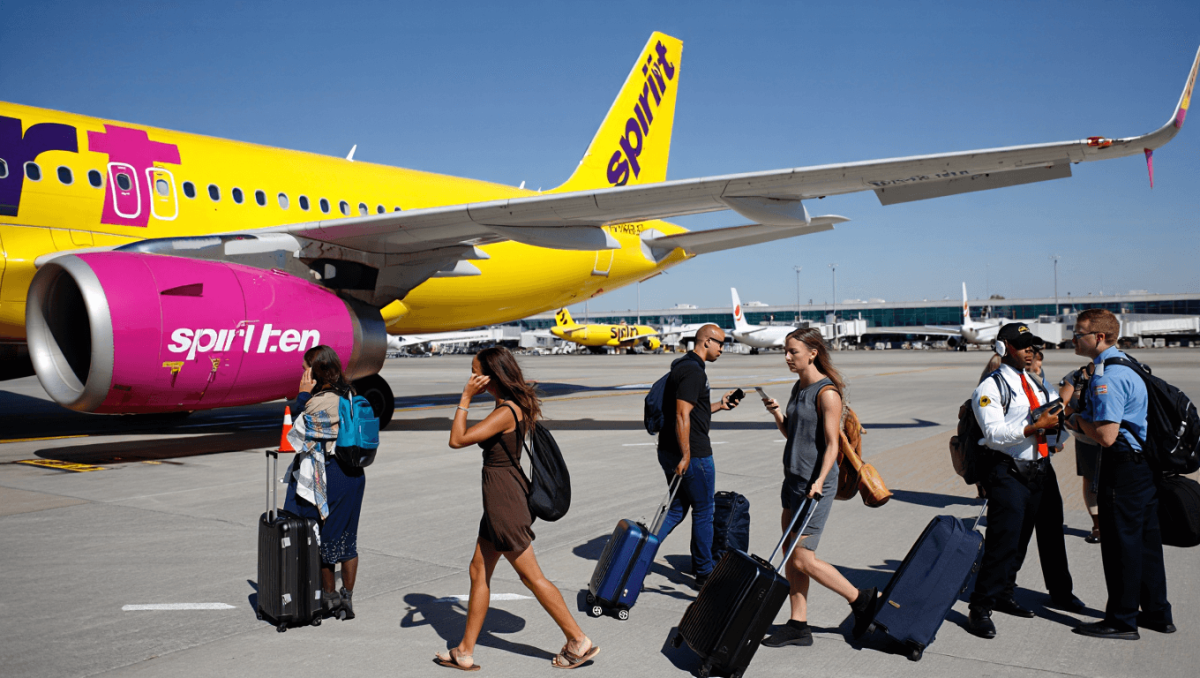
Spirit entered the year with shaken leadership and strained operations. Flight cancellations and delays eroded customer trust. Executives face tough questions from regulators and investors.
Nickelodeon star arrested after alleged Malibu burglary
Euphoria season 3: Sydney Sweeney left off set as feud with Zendaya intensifies
- Boardroom changes have triggered uncertainty about long-term strategy.
- Operational gaps have increased complaints and ticket refunds.
- Regulatory attention is intensifying around safety and consumer claims.
For passengers, the biggest risks are unreliable schedules and slow customer service responses. Many travelers plan alternatives until the carrier stabilizes.
Network shifts and route realignments to watch in 2026
Airlines are reshaping networks after pandemic-era expansion. Carriers adjust capacity on domestic and international lanes.
- Low-cost and ultra-low-cost carriers expand short-haul routes.
- Legacy carriers consolidate long-haul frequencies and hub feeds.
- Secondary airports gain flights as airlines chase lower costs.
Shifts affect fares, connectivity and airport competition. Watch which hubs see growth and which routes are cut.
Labor talks and airline staffing: potential disruptions ahead
Union negotiations remain central to airline stability. Pilots, attendants and ground crews press for pay, work rules and staffing guarantees.
- Ongoing bargaining could spark targeted work actions.
- Short staffing may force more cancellations or smaller schedules.
- New contracts will change airline cost structures and operations.
Any large-scale walkouts would ripple across the system and boost ticket volatility. Travelers should monitor union updates before major holidays.
Aircraft deliveries, retirements and the evolving fleet mix
Manufacturers are under pressure to meet orders and safety checks. Airlines balance new jets with retiring older models.
- Boeing and Airbus deliveries affect capacity growth plans.
- Leasing markets tighten as demand for fuel-efficient models rises.
- Older jets are pulled earlier for economic or regulatory reasons.
Fleet choices will influence fuel costs, route economics and passenger comfort.
Green aviation: SAF mandates, carbon targets and airline commitments
Carbon rules and sustainable aviation fuel (SAF) targets push carriers to change sourcing and operations. Investments in SAF are expanding.
- Regulators set stricter emissions targets for 2026 and beyond.
- Airlines sign SAF offtake agreements and invest in production.
- Offsets face scrutiny as stakeholders demand verifiable reductions.
Environmental policy will increasingly shape route choices and aircraft retirements. Travelers may see new fees or options tied to sustainability.
Ticket pricing trends, fees and evolving consumer protections
Fare strategies continue to evolve with dynamic pricing and ancillary revenue streams. Governments are also tightening consumer rules.
- Ancillary fees remain a major revenue source for many carriers.
- Fare transparency rules aim to reduce hidden charges at checkout.
- Refund and rebooking policies will be scrutinized after repeated disruptions.
Consumers should compare total trip costs, not base fares alone. Travel credit rules and timeliness of refunds remain key search topics.
Regulatory scrutiny, competition law and potential consolidation
Antitrust regulators keep a close watch on airline mergers and alliances. Competition reviews shape market access and slot control.
- Mergers face detailed probes into fares, routes and consumer harm.
- Airport slot rules may be revised to encourage competition.
- International partnerships will be evaluated for anticompetitive effects.
Any major consolidation could reshape pricing and route availability across many domestic and international markets.
Safety oversight and maintenance issues under the microscope
Incidents and mechanical findings drive regulator and public attention. Airlines are investing more in inspections and training.
- Maintenance backlogs at some carriers have prompted audits.
- Manufacturers and operators coordinate on fleet reliability upgrades.
- Passenger confidence depends on transparent safety communications.
Audits and incident investigations will appear in news cycles and influence booking choices.
Tech, AI and passenger experience: faster, smarter travel
Airlines adopt AI for scheduling, pricing and customer service. Biometrics and contactless tech change the airport flow.
- AI helps predict delays and optimize crew assignments.
- Biometric boarding speeds security and gate processing.
- Improved baggage tracking reduces lost luggage complaints.
Technology promises smoother journeys but raises privacy and reliability questions. Expect pilots, staff and passengers to test new systems this year.