Show summary Hide summary
Public opinion about Mexico swings between two extremes: a paradise of beaches and colonial charm, or a place reduced to headlines about crime. Tijuana refuses to fit those labels. Once overlooked or feared, this border city is quietly remaking itself as an affordable, lively base for remote workers and travelers who want culture, food, and easy access to Southern California.
Why Tijuana Is Gaining Traction with Remote Workers
Tijuana has seen a steady rise in laptop-friendly spots and coworking spaces. Cafés now fill up with freelancers and digital nomads. Creative renovations and pedestrian-friendly streets are drawing people downtown.
Christina Haack stuns in cream crochet bikini: responds to fourth engagement rumors
Knicks superfan Ben Stiller skips Oscars to watch gritty win over Warriors
- Coffee culture: Boutique cafés with reliable Wi-Fi are common.
- Walkable downtown: Revolución has been revamped into a social and dining hub.
- Affordable living: Monthly costs are often far lower than nearby San Diego.
The city blends practical living with a lively urban scene. For many, the surprise is how comfortable and convenient day-to-day life can feel.
Border Advantages and Money-Saving Moves for Expats
One advantage of Tijuana is proximity to San Diego. You can keep a U.S. job or membership while living south of the border.
- Rent in nicer Tijuana neighborhoods averages around $1,124/month, with cheaper options available.
- Compare that to many San Diego suburbs where monthly rents often exceed $1,900.
- Daily life costs like food, services, and leisure are generally lower in Tijuana.
Speeding Up Border Crossings: Practical Tips
- SENTRI pass: About $120 for five years. It gives access to dedicated fast lanes into the U.S.
- CBX Skybridge: A private pedestrian bridge that links Tijuana’s airport to the U.S. side. Tickets range from $25 to $45.
- Plan crossings during off-peak hours when possible to reduce wait times.
How Safe Is It? Separating Perception from Reality
Headlines often focus on crime, but everyday experience can be different. Many neighborhoods are lively and feel secure, especially in redeveloped areas.
- Stick to busy streets: Downtown promenades and main avenues are well-patrolled and active at night.
- Use common-sense precautions: Keep valuables out of sight, avoid poorly lit alleys, and use ride apps after dark.
- Local knowledge helps: Ask residents or fellow nomads about safe blocks and current conditions.
Experienced visitors often say Tijuana can feel safer than many U.S. cities when you choose the right neighborhoods and follow basic safety habits.
Work-Friendly Spots and Local Routines
Nomads report favorite spots where coffee, connectivity, and a relaxed vibe meet. These places are hubs for networking and productivity.
- Independent cafés with strong Wi-Fi and power outlets.
- Shared workspaces offering daily passes and community events.
- Neighborhood markets and plazas for afternoon breaks and local flavor.
Downtown evenings offer a mix of casual bars and trendier cocktail spots. You can work a full day and still find time for dinner and drinks within walking distance.
Beach Access: What to Expect and Where to Swim
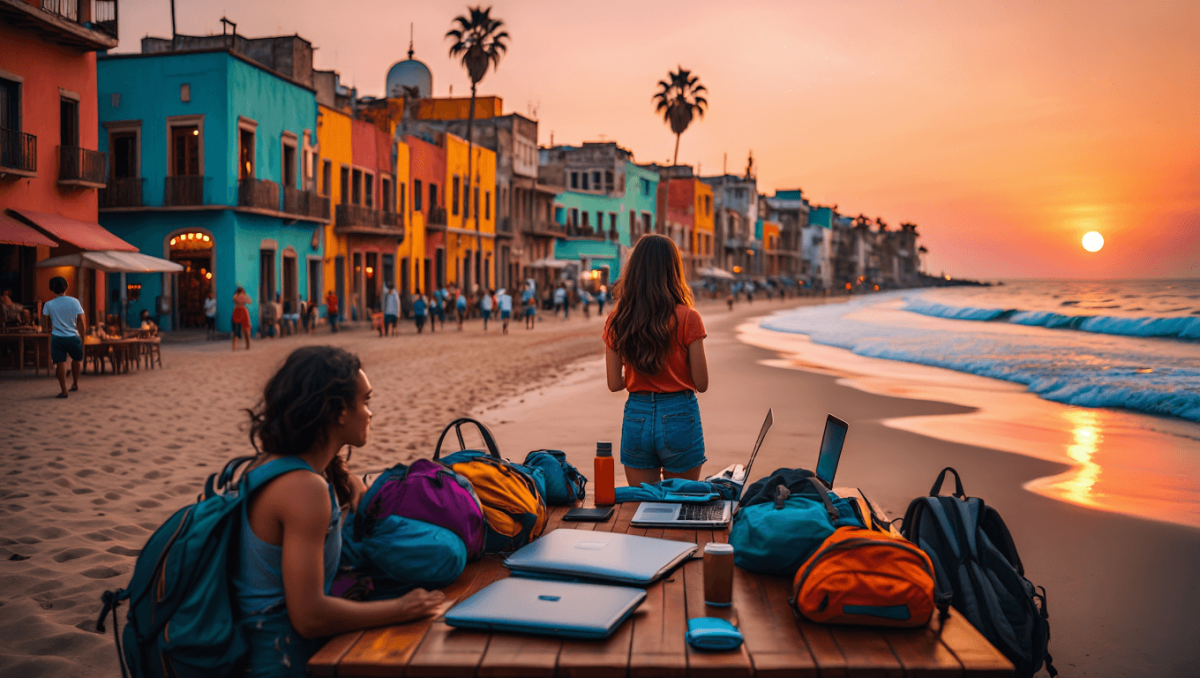
Tijuana’s coastal area, known as Playas, delivers scenic sunsets and a beachside atmosphere. However, swimming conditions are not always ideal due to water quality issues.
- Playas: Great for strolls, seafood, and beachside cafés, but be cautious about water quality.
- Rosarito: A quick ride south and you’ll find better swimming, surf breaks, and family-friendly beaches.
- Local authorities have announced infrastructure upgrades to improve coastal water quality over time.
For swimmers and surfers, Rosarito is a practical day-trip. For beachside ambiance and social life, Playas offers plenty to enjoy.
Food, Nightlife, and Everyday Culture
Tijuana mixes Mexican culinary traditions with contemporary dining. The city has a strong food scene, lively bars, and cultural pockets that reward exploration.
- Gastronomy: From street tacos to upscale restaurants, the food scene is diverse and energetic.
- Nightlife: Promenades and rooftop bars make for safe, clustered evening options.
- Local favorites: Small spas, markets, and family-run venues add daily convenience and character.
Beyond the main tourist corridors, neighborhoods reveal artisans, street food, and community events that attract expats and visitors alike.