Show summary Hide summary
- Guernsey’s 2026 tourism plan: why it stands out
- Where Guernsey sits on the map and in culture
- St. Peter Port and the island’s historic pulse
- Must-see places and quiet beaches
- Practical entry rules for U.S. travelers in 2026
- How to plan your Guernsey trip
- Who the island hopes to attract and why
- Tips and local customs to respect
- Where to check official travel updates
While many famous European cities are pushing visitors away, a small Channel Island is doing the opposite. Guernsey is launching a bold year-round drive to welcome more travelers. The campaign mixes influencer outreach, eased entry deals for nearby French visitors, and upgraded island connections.
Guernsey’s 2026 tourism plan: why it stands out
Visit Guernsey is shifting gears as overtourism headlines grow across Europe. Instead of limits and bans, the island is investing in growth.
Metallica’s James Hetfield stuns with jaw-dropping proposal to Adriana Gillett
Christina Haack stuns in cream crochet bikini: responds to fourth engagement rumors
- Promotions aimed at steady, year-round arrivals.
- Targeted marketing to solo travelers, couples, families, and older visitors.
- Working with travel influencers to boost awareness abroad.
- Extending a French ID entry arrangement through 2026 to simplify visits.
- Improving boat and air links with Jersey and nearby ports.
Early signs are promising: day-tripper numbers rose from 13,968 in 2024 to 21,592 in 2025. That is a 55% increase.
Where Guernsey sits on the map and in culture
Guernsey occupies a unique position between Britain and France. It is a British Crown dependency. At the same time, the island lies just 27 miles from the French coast.
- English is the main language, and locals use British currency.
- A regional Norman dialect, Guernésiais, still survives in pockets.
- The island blends British governance with French cultural echoes.
St. Peter Port and the island’s historic pulse
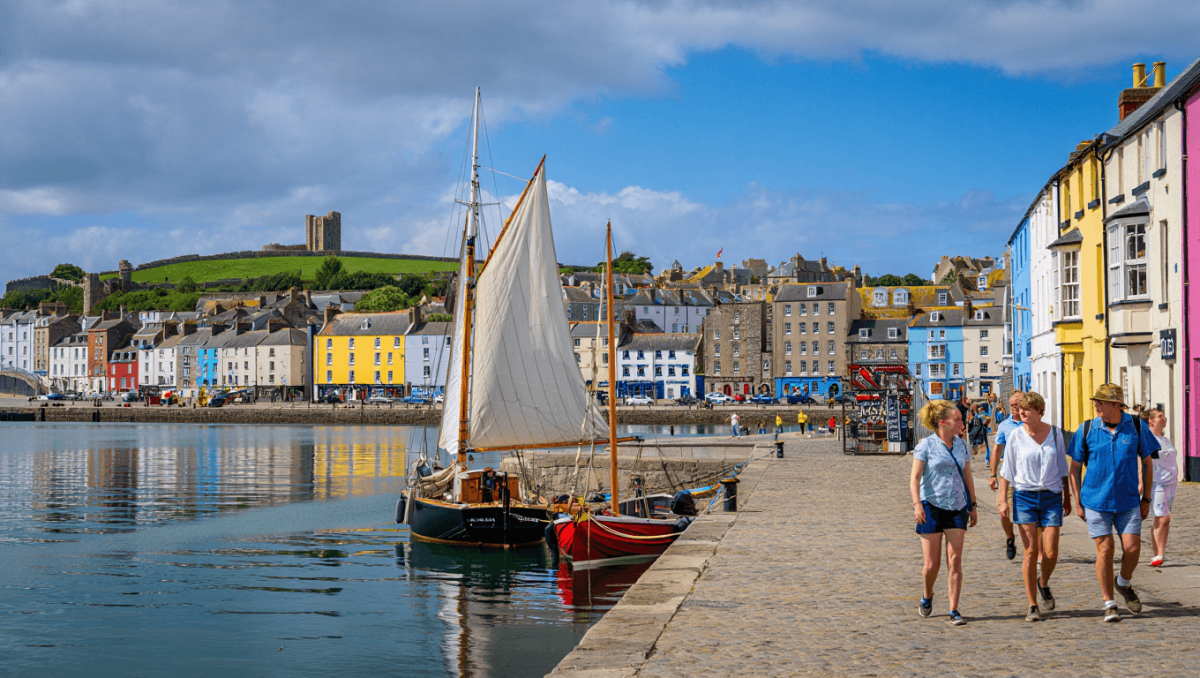
The capital, St. Peter Port, feels like a small coastal town frozen in time. Narrow streets rise from the harbor. Old stone buildings line the waterfront.
Castle Cornet and wartime memory
Dominating the harbor, Castle Cornet dates back centuries. Today it hosts a maritime museum and a traditional noon gun firing.
Modern history and literary links
Guernsey preserves wartime memory in the German Occupation Museum. Hauteville House, Victor Hugo’s residence, attracts literary visitors.
Must-see places and quiet beaches
The island packs surprises into a small area. Highlights suit history buffs, swimmers, and photographers.
- Little Chapel: A tiny chapel decorated with more than 50,000 shells and pebbles. It draws visitors for its intricate craftsmanship.
- Ferman Bay: A sheltered cove for snorkeling and cliff walks. A nearby cafe offers sweeping sea views.
- Coco Bay: Sandy beaches for surfing and gentle summer swims.
- Saints Bay: Secluded swimming spots, clifftop trails, and Fort Le Marchant—an excellent sunset lookout.
- High Street: St. Peter Port’s cobbled main road, full of local shops and island cafes.
Practical entry rules for U.S. travelers in 2026
New travel rules affect Americans flying to Guernsey from outside the UK. Starting April 2026, a pre-travel permit will be required.
- Electronic Travel Authorization (ETA): A digital permit needed if you arrive from outside the UK or its Crown Dependencies.
- Cost: £16 per application, roughly $21.50.
- Validity: Approved ETAs allow stays up to six months. They remain valid for two years or until your passport expires.
- Applications are processed online via the official UK government portal.
If you plan to enter via the UK mainland, check whether separate UK entry rules apply. Always confirm requirements before booking.
How to plan your Guernsey trip
Guernsey is compact, so a focused itinerary works well. Travel light and expect short transfers between sights.
- Book accommodation in St. Peter Port for easy harbor access.
- Reserve a day for Castle Cornet and the maritime museum.
- Visit the Little Chapel early to avoid crowds.
- Schedule coastal walks around low tide for safer access to coves.
- Check ferry and air timetables if you want to hop to Jersey.
Who the island hopes to attract and why
Guernsey’s promotion leans on quality over mass crowds. The island wants travelers who will visit year-round and support local businesses.
- Solo explorers seeking peaceful shores and history.
- Couples and families looking for safe beaches and short excursions.
- Travelers aged 35 and up who favor relaxed itineraries.
Planners are courting influencers to show Guernsey’s quieter side. The aim is sustainable growth that benefits the whole community.
Tips and local customs to respect
- Use local shops and eateries to support residents.
- Respect private land near coastal trails and follow signposted paths.
- Be mindful of tides when exploring rock pools and coves.
- Ask before photographing people, especially in small villages.
Where to check official travel updates
Rules can change quickly. For visas, ETAs, and entry conditions, rely on official government sources. Airlines and ferry operators also post timely notices.