Show summary Hide summary
Allegiant has moved to buy rival Sun Country, a deal that will reshape the U.S. low-cost airline landscape. The announcement sent ripples through travel markets and raised questions about fares, routes, and the future of leisure-focused air travel.
What the merger deal says and what still needs approval
Company statements describe the transaction as a strategic consolidation of two leisure carriers. Both airlines said the agreement is subject to standard conditions.
United Polaris Studio suites: tickets now on sale for April inaugural flights
Auston Matthews-Radko Gudas controversy: Pierre LeBrun predicts fallout
- Shareholder approvals will be required from both companies.
- Federal regulators must sign off on any potential competition concerns.
- Operational integration plans are expected to be disclosed in greater detail over time.
The deal will not take effect until all regulatory and corporate approvals are obtained.
How routes and networks could change for travelers
The combined carrier would connect a broader set of cities, focusing on leisure destinations.
- Allegiant, known for serving smaller markets and linking them to vacation hubs, brings a west-focused network.
- Sun Country centers many operations around Minneapolis–St. Paul and serves transcontinental and seasonal leisure routes.
- Passengers could see more nonstops to beach and resort gateways.
Customers may benefit from more flight options, but some routes could be rationalized.
Fleet, operations and what it means for employees
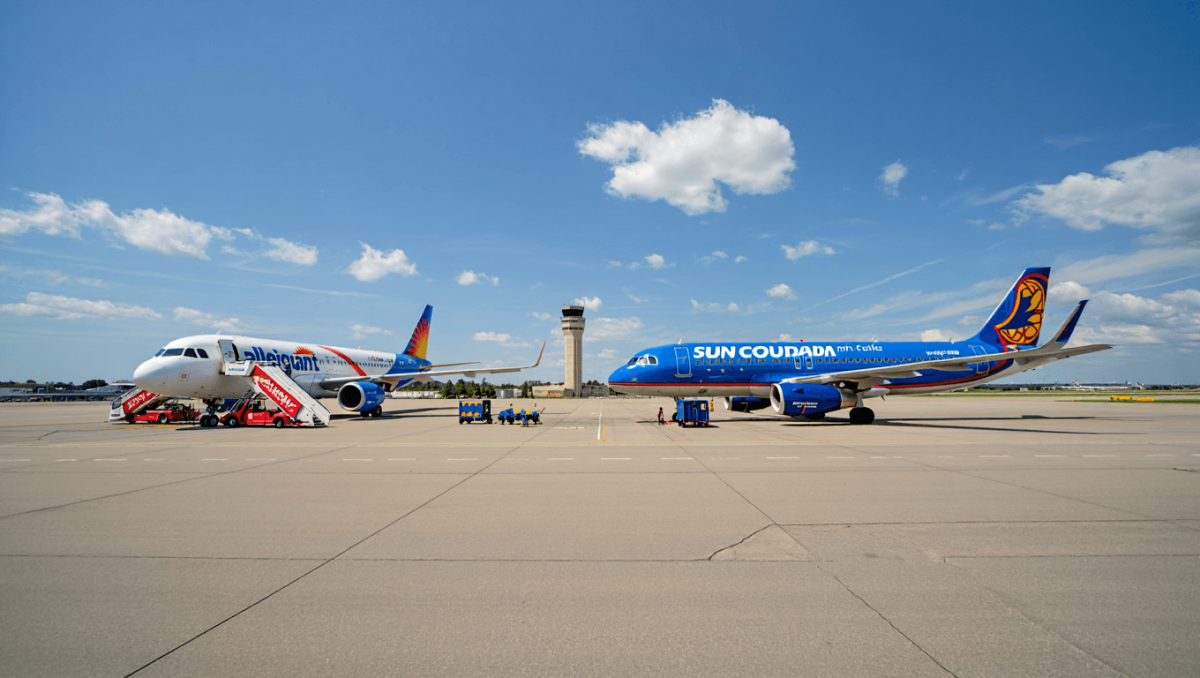
Both airlines operate single-aisle jets that are popular for short and medium-haul flights. Combining fleets presents logistical work.
Aircraft and maintenance
- Fleet consolidation could yield maintenance and scheduling efficiencies.
- Standardizing aircraft types is often a long-term goal for merged carriers.
Staff and labor questions
- Employees and unions will look closely at how operations merge.
- Route changes, crew bases, and seniority integration are common challenges.
Management says integration aims to preserve the low-cost model while improving reliability.
Regulatory outlook and antitrust considerations
Mergers in the airline industry face careful regulatory scrutiny. Authorities examine how consolidation affects fares and consumer choice.
- Regulators may analyze overlapping routes where the two carriers currently compete.
- Authorities could require remedies if they find the deal would reduce competition.
- Public interest in affordable travel may shape the review process.
The review timeline depends on the depth of overlap and the remedies proposed by the carriers.
Investor reaction and market implications
Market observers will track how combining two discount airlines changes the competitive mix among low-cost carriers.
- Some analysts expect cost synergies through shared systems and centralized operations.
- Others note integration costs and the difficulty of merging distinct brands.
- Competitors may respond by sharpening promotions or expanding routes.
If successful, the merger could create a larger player focused on leisure travel and secondary markets.
What travelers should watch for next
Customers should monitor announcements about route maps, loyalty programs, and ticketing changes.
- Expect communications about booking policies and any changes to frequent-flier benefits.
- Watch flight schedules for added nonstops or adjustments to seasonal routes.
- Keep an eye on customer service channels for notices about flight changes during integration.
Transparency from both airlines will be crucial to limit disruption for passengers.