Show summary Hide summary
- Why the A321XLR matters for transcontinental travel
- Where American plans to deploy the plane next
- What passengers will notice onboard
- How this fits American’s fleet plan
- Technical strengths that enable new routes
- Airport and crew preparations for rollout
- Market ripple effects and competition
- Timing and what to expect next
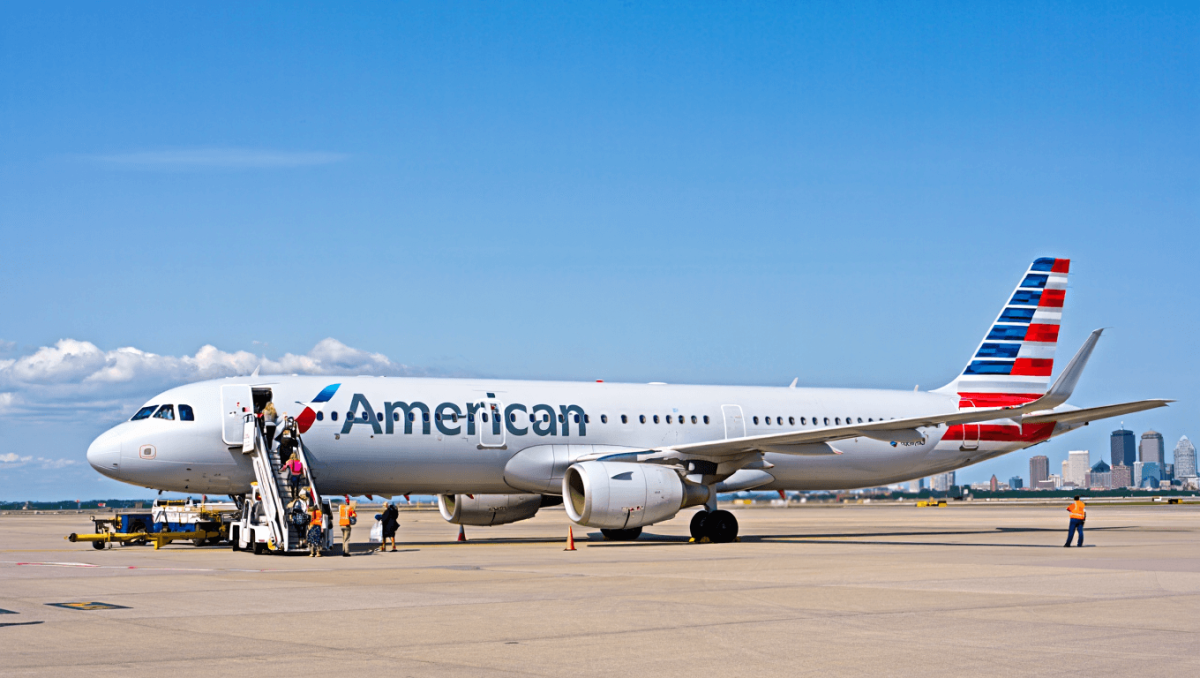
American Airlines is preparing to expand its long-haul single-aisle operations as the carrier prepares to put the Airbus A321XLR into service on more coast-to-coast flights. The jet’s arrival promises more nonstop options and a refined onboard experience, with Boston slated to see the type in the coming months.
Why the A321XLR matters for transcontinental travel
The Airbus A321XLR is a longer-range version of a popular narrowbody jet. It can fly routes that once needed larger widebody planes. That opens the door to more nonstops across the U.S.
Nickelodeon star arrested after alleged Malibu burglary
Euphoria season 3: Sydney Sweeney left off set as feud with Zendaya intensifies
- Extended range lets carriers link cities without connections.
- Lower operating costs versus bigger jets improve route economics.
- Smaller cabin footprint gives airlines flexibility at slot-constrained airports.
Where American plans to deploy the plane next
American has already tested long-range single-aisle flying. Now the airline will add the A321XLR to two additional transcontinental routes. Boston will receive its first A321XLR flights in the coming months.
- The new deployments aim to increase nonstop options between coasts.
- Expectations are for mix of business and leisure schedules.
- Exact city pairs and launch dates will be announced by the airline.
What passengers will notice onboard
Travelers can expect a more modern cabin compared with older narrowbodies. Seating layouts will favor comfort on longer flights.
- More legroom options in premium cabins.
- Improved overhead bin space for carry-ons.
- Enhanced inflight entertainment and connectivity choices.
- Quieter engines for a less noisy cabin environment.
Service and schedule changes to watch
With the A321XLR, American can adjust flight frequencies. Some flights may shift from late-night to daytime to match demand.
How this fits American’s fleet plan
The XLR fills a niche between true narrowbodies and long-haul widebodies. It lets the airline replace inefficient widebody missions on routes with moderate demand.
- Reduces fuel burn per seat on certain transcontinental flights.
- Frees larger aircraft for higher-density international routes.
- Provides flexibility for seasonal scheduling.
Technical strengths that enable new routes
The A321XLR’s design includes additional fuel tanks and optimized aerodynamics. These changes extend its commercial range significantly.
- Long-range capability allows nonstop flights above 4,000 nm in many cases.
- Efficient engines cut fuel consumption and emissions per flight.
- Common cockpit with other A320 family jets eases pilot training.
Airport and crew preparations for rollout
Bringing the XLR to Boston and other cities requires coordination across operations. Ground handling, gate assignments, and staff schedules will be adjusted.
- Pilots and cabin crew undergo training specific to the XLR.
- Maintenance teams receive new procedures and parts inventories.
- Gate infrastructure is reviewed to ensure smooth turnarounds.
Market ripple effects and competition
Other carriers will watch how American uses the XLR on transcontinental routes. The plane can alter competitive dynamics on coast-to-coast markets.
- Rival airlines may respond with route changes or capacity shifts.
- Smaller markets could gain new nonstop links as airlines test demand.
- Business travelers may benefit from more direct flights and flexible schedules.
Timing and what to expect next
American says the Boston debut will occur within months. Additional route announcements and schedule updates should follow as aircraft deliveries continue.
- Watch for official launch dates and ticket sales from the airline.
- Frequent flyers should monitor route maps for added nonstop options.
- Travel agents and corporate planners may revise itineraries accordingly.