Show summary Hide summary
- What the expansion will add to Austin-Bergstrom
- Why Austin needs so much more airport space
- How travelers will notice the changes
- Construction plan, schedule, and funding overview
- Airlines and route implications
- Design priorities: passenger comfort and sustainability
- Community impact and local planning
- Risks, delays, and what to watch next
Austin’s main airport is preparing for a major transformation that aims to reshape travel in the region. The plan centers on adding two new concourses and expanding terminal space to meet surging passenger demand. Officials say the move will radically increase capacity and change the layout of the airport for years to come.
What the expansion will add to Austin-Bergstrom
The project calls for two new concourses connected to the existing terminal complex. Planners describe the work as a near doubling of terminal area, with room for more gates, lounges, and passenger services.
Nickelodeon star arrested after alleged Malibu burglary
Euphoria season 3: Sydney Sweeney left off set as feud with Zendaya intensifies
- More gates and flight options: The concourses will allow more airlines and routes to operate from Austin.
- Expanded passenger facilities: Larger security checkpoints, more seating, and added retail and dining areas.
- Improved circulation: Wider walkways and upgraded signage to reduce congestion.
Why Austin needs so much more airport space
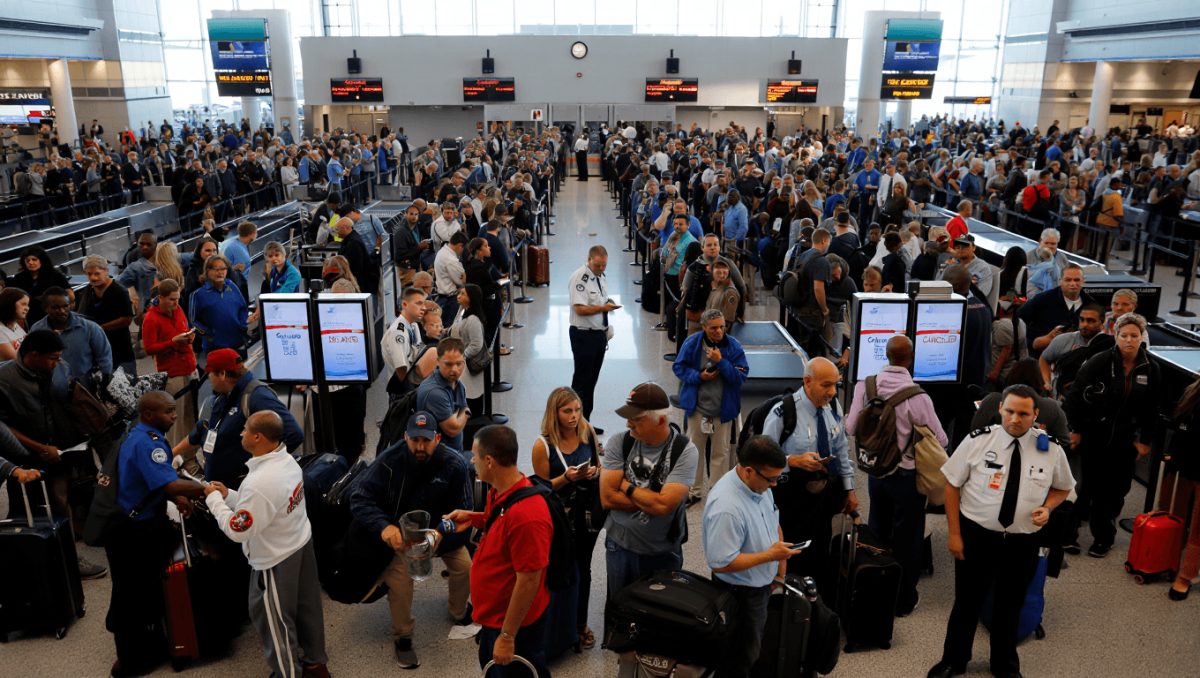
Austin’s rapid population and economic growth have driven a steady rise in air travel. More tech firms, conventions, and tourism have all contributed to higher passenger volumes.
Airport leaders point to several drivers for expansion:
- Rising annual passenger counts
- Airline interest in adding direct routes
- Business travel tied to local industries
How travelers will notice the changes
Passengers should see shorter wait times and more flight choices as the new concourses come online. The airport aims to make the travel experience more predictable and comfortable.
- Faster security processing with expanded lanes
- More food and shopping options near gates
- Enhanced lounges and family-friendly areas
Frequent flyers can expect smoother connections and new nonstop routes over time.
Construction plan, schedule, and funding overview
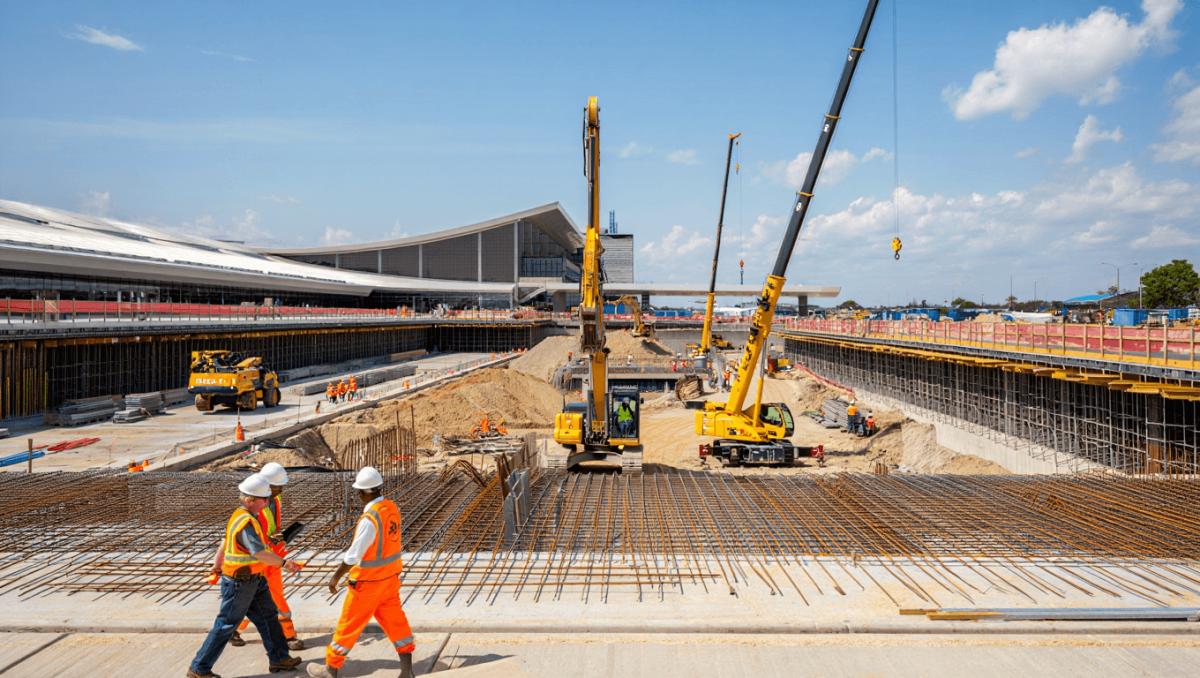
The build-out will occur in phases to keep the airport functioning during work. Officials plan staging that limits disruptions to flights and passenger flow.
Phased construction to maintain operations
- Early phases: site preparation, utilities, and foundation work
- Middle phases: concourse structures, gate systems, and mechanical work
- Final phases: interiors, retail fit-outs, and testing
Authorities emphasize a phased approach to avoid major travel interruptions.
Funding is expected to come from a mix of airport revenue, bonds, and possible federal grants. Airport officials say they are pursuing options to minimize passenger fees.
Airlines and route implications
With additional gates, airlines can add flights and experiment with new nonstop markets. That could mean more competition on existing routes and brand-new connections for Austin.
- Legacy carriers may increase frequencies to key hubs
- Low-cost airlines may open new routes as capacity grows
- Business routes could see improved scheduling for morning and evening travelers
Design priorities: passenger comfort and sustainability
Designers say the new concourses will focus on user experience and energy efficiency. Features under consideration include natural light, better HVAC systems, and energy-saving materials.
- Improved natural lighting and passenger wayfinding
- Energy-efficient building systems and fixtures
- Spaces designed for future technology and passenger needs
Sustainability measures aim to reduce the airport’s environmental footprint while improving comfort.
Community impact and local planning
The expansion will affect nearby neighborhoods and transportation networks. Local leaders and airport officials are coordinating on road access, parking, and public transit links.
- Road and signage upgrades to handle increased traffic
- Parking expansions and shuttle services
- Discussions with transit agencies about bus or rail improvements
Public meetings and outreach are scheduled as plans progress. Officials say community input will shape details like traffic management and construction timing.
Risks, delays, and what to watch next
Large infrastructure projects face common risks such as supply chain issues, labor availability, and permitting delays. Airport authorities are tracking these issues closely.
- Potential schedule shifts due to material or labor shortages
- Cost pressures tied to market conditions
- Regulatory and environmental reviews that could affect timelines
Watch for official updates from the airport authority on milestones and public briefings.