Show summary Hide summary
- Why propeller planes are returning to U.S. regional routes
- How JSX’s turboprops compare with regional jets
- Economic trade-offs: what operators gain and lose
- Environmental and regulatory considerations
- Operational advantages for regional networks
- Passenger perspective: when a turboprop makes sense
- Maintenance, reliability and lifecycle costs
- What this shift signals for regional aviation competition
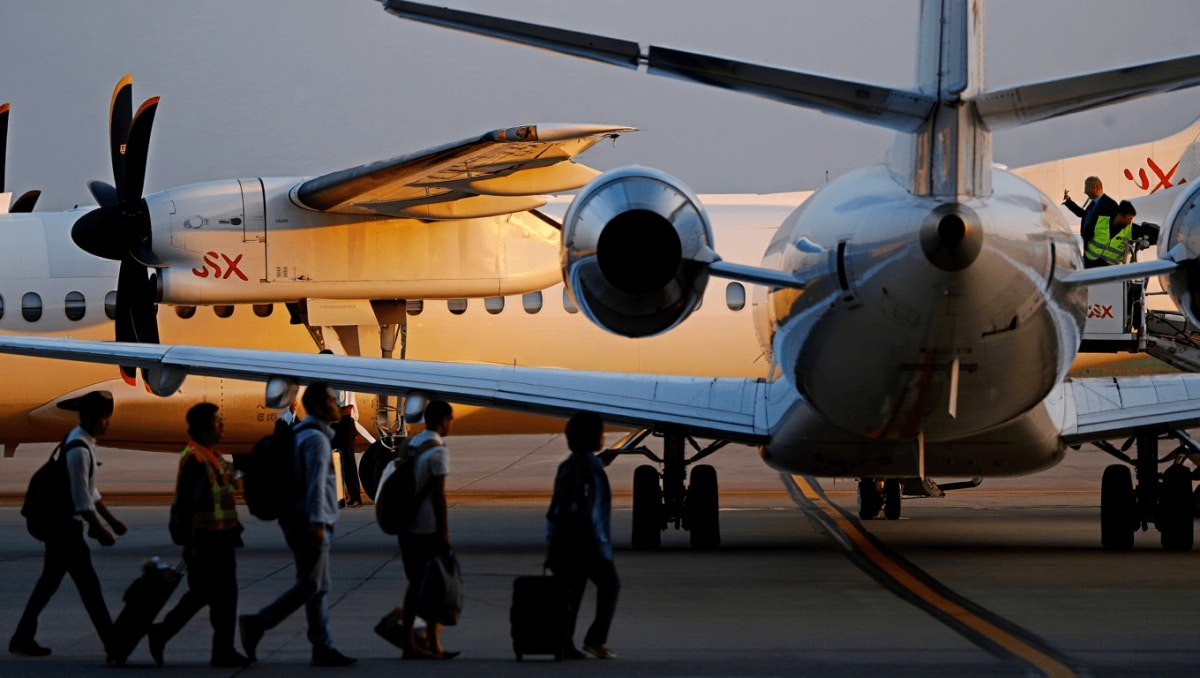
A quiet shift is unfolding over short-haul routes: turboprops are making a comeback, and JSX’s newest aircraft are at the center of the debate. Are these propeller-driven planes a step backward, or an efficient alternative to regional jets? Travelers and industry watchers are weighing speed, comfort, and cost as carriers re-evaluate how best to connect smaller airports.
Why propeller planes are returning to U.S. regional routes
Airlines are rethinking fleet mixes as fuel costs and environmental targets rise. Turboprops use less fuel on short hops and can operate from shorter runways.
United Polaris Studio suites: tickets now on sale for April inaugural flights
Auston Matthews-Radko Gudas controversy: Pierre LeBrun predicts fallout
- Fuel efficiency: Turboprops burn less fuel per seat-mile on flights under 400 miles.
- Airport access: They land at many smaller fields that jets cannot use.
- Lower operating costs: Maintenance and ownership costs can be lower for turboprops.
How JSX’s turboprops compare with regional jets
JSX markets a hybrid model: the convenience of private terminals with scheduled service. Adding turboprops changes the equation for short hops.
Speed vs. door-to-door time
Jets cruise faster in the air. But for trips under two hours, time spent getting to big airports and waiting can erase that advantage.
- Jet cruise speeds typically exceed turboprops by 20–30%.
- When factoring in shorter commutes and faster boarding, turboprops can match or beat jets.
Comfort, cabin layout and noise
Modern turboprops have improved cabins and noise insulation. Seat pitch and interior design can rival small jets.
- Cabins can feel roomier because of wider fuselages on some turboprop designs.
- Propeller noise has been reduced in newer models, but perceptions vary among passengers.
Economic trade-offs: what operators gain and lose
For carriers, the calculus combines direct costs and revenue potential. Turboprops bring savings but also limits.
- Lower fuel burn: leads to reduced trip costs on short sectors.
- Smaller capacity: may reduce per-flight revenue if demand is high.
- Payload-range limitations can restrict nonstop routes compared to jets.
Environmental and regulatory considerations
With airlines under pressure to cut emissions, turboprops are an attractive interim option on short routes. They emit less CO2 per seat-mile on short sectors.
- Reduced fuel consumption means lower direct emissions.
- Noise footprints vary; some modern props are engineered to minimize community impact.
- Long-term decarbonization still points toward sustainable aviation fuels and electric propulsion.
Operational advantages for regional networks
Turboprops shine where infrastructure is limited or demand is dispersed. They can unlock markets that are uneconomical for jets.
- Short-field performance allows access to smaller cities.
- Lower runway requirements reduce airport improvement costs.
- Flexible scheduling helps fill frequency gaps between hubs and secondary airports.
Passenger perspective: when a turboprop makes sense
For travelers focused on convenience, the whole-journey time is decisive. JSX’s model of smaller terminals shortens the preflight routine.
- Short trips: turboprops can be faster door-to-door.
- Regional hops: frequent service and direct airport access are big wins.
- Passengers who prioritize speed over comfort may still prefer jets on longer sectors.
Maintenance, reliability and lifecycle costs
Operators evaluate total lifecycle costs, not just ticket fares. Turboprops often require different maintenance cycles than jets.
- Spare-part availability and technician training affect fleet economics.
- Long-term resale value and fleet commonality influence purchase decisions.
- Reliability metrics for modern turboprops have improved significantly.
What this shift signals for regional aviation competition
Adding turboprops to a mixed fleet is a strategic move. It lets carriers match capacity to demand and adapt routes quickly.
- Smaller airports may see more service and new travel options.
- Competition with ground transport intensifies on short routes.
- Business travelers benefit from higher frequency and easier airport access.