Show summary Hide summary
- Why JSX is considering turboprops for regional growth
- Markets most likely to benefit from new turboprop routes
- Operational realities: airports, schedules and fleet decisions
- Regulatory and competitive hurdles JSX will face
- What this move signals about trends in air travel
- What travelers should watch next
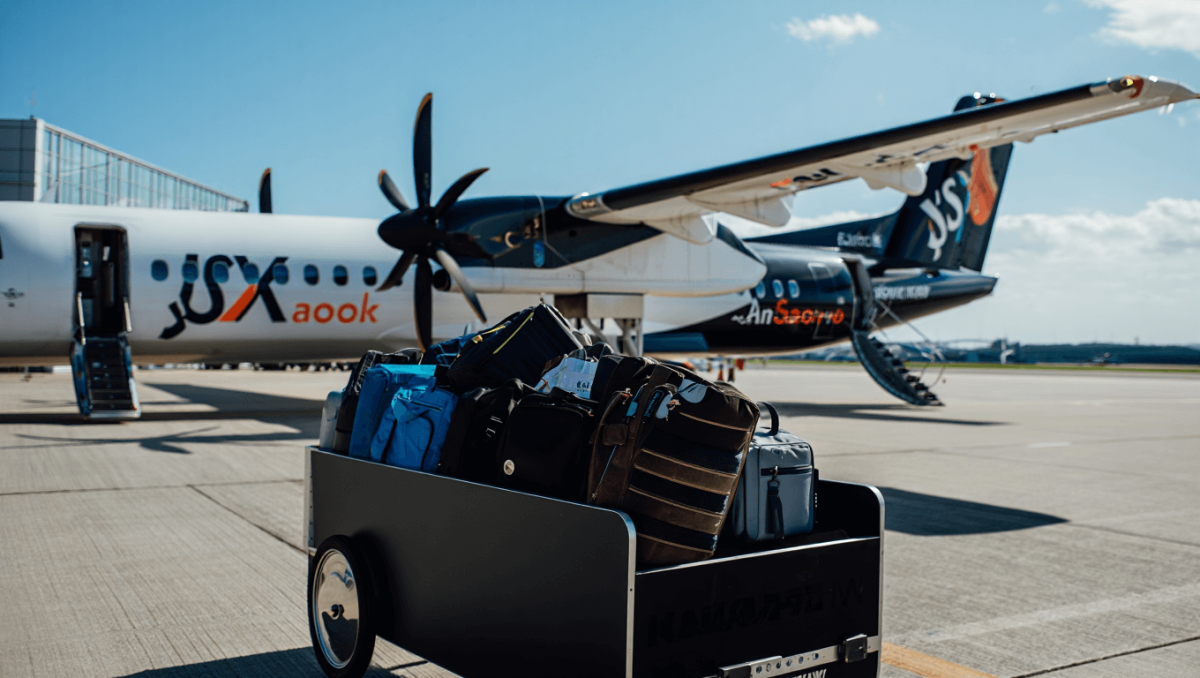
JSX, the boutique air carrier long known for its semi-private hop-on, hop-off service, is quietly plotting a shift: adding turboprop aircraft to its lineup to chase shorter, underserved routes. The move could reshape how business and leisure travelers connect smaller cities without the hassle of big airports.
Why JSX is considering turboprops for regional growth
Small, efficient turboprops can operate from shorter runways. That opens doors to airports big jets can’t use. JSX appears to be betting on that advantage to expand its network swiftly.
United Polaris Studio suites: tickets now on sale for April inaugural flights
Auston Matthews-Radko Gudas controversy: Pierre LeBrun predicts fallout
- Lower operating costs on short legs make turboprops an attractive choice.
- Quieter, more fuel-efficient models narrow the gap with regional jets on comfort and emissions.
- They can link secondary cities directly, cutting travel time for frequent flyers.
Markets most likely to benefit from new turboprop routes
Analysts expect JSX to target tight business corridors and tourist gateways where ground time matters. Short hops under two hours are ideal for turboprops and attractive to travelers who value convenience.
- Sunbelt regional connections that skip large hub airports.
- Smaller coastal and mountain airports used by leisure travelers.
- Business clusters with frequent same-day travel needs.
Operational realities: airports, schedules and fleet decisions
Switching to turboprops requires planning beyond buying planes. JSX would need new pilot type ratings, ground handling updates, and slot negotiations at certain airports.
- Fleet mix choices affect frequency and reach.
- Pilot training and certification add upfront costs.
- Airport infrastructure and noise rules could limit options.
How turboprops change the customer experience
Passengers may notice shorter boarding times and quicker gate-to-gate travel. JSX’s semi-private boarding model pairs naturally with smaller aircraft, making trips feel seamless.
- Faster access to downtown airports compared with major hubs.
- More direct flights, reducing connections and total trip time.
- Cabin comfort may improve as manufacturers modernize turboprops.
Regulatory and competitive hurdles JSX will face
Adding a new aircraft type triggers Federal Aviation Administration rules and industry certifications. JSX must also fend off competition from regional carriers and commuter airlines.
- FAA certification, maintenance standards, and crew qualifications.
- Competition from established regional airlines on key routes.
- Airline economics: load factors and yield management will be crucial.
What this move signals about trends in air travel
JSX’s interest in turboprops reflects a broader trend: travelers and airlines want efficient, flexible connections. The pandemic changed demand patterns, and carriers now seek nimble tools to serve evolving routes.
- Demand for point-to-point regional travel is growing.
- Airlines are rediscovering smaller airports to reduce travel friction.
- New turboprop designs are making short-haul flying greener and quieter.
What travelers should watch next
Keep an eye on route announcements, aircraft deliveries, and ticket sales. Early markets and introductory fares will reveal where JSX sees the most demand.
- Route launches and flight frequencies.
- Pricing strategies for business versus leisure travelers.
- Partnerships with local airports and travel platforms.