Show summary Hide summary
- Assigned seats replace open-seating policy
- How the new boarding sequence works
- What passengers will see at booking and check-in
- Why Southwest says it made the change
- Customer reactions and early feedback
- Changes to fares, perks, and loyalty benefits
- Practical tips for travelers using the new system
- How this aligns with industry trends
- Operational impacts on airports and crews
- Comparing Southwest with legacy and low-cost carriers
- What to expect in the coming months
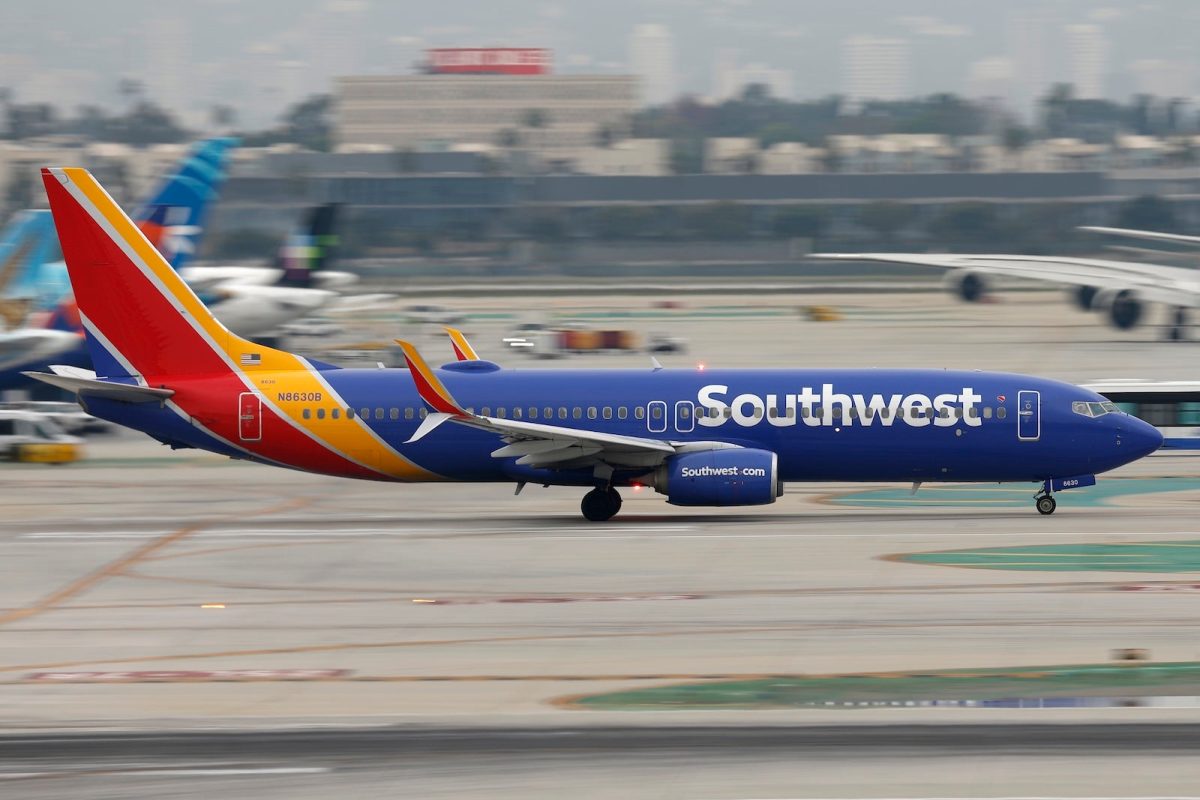
Southwest Airlines has introduced a major shift in how passengers board its flights, replacing open seating with assigned seats. The move ends a decades-long signature policy and redraws lines in the battle for cabin space, stirring reactions from loyal flyers and industry watchers alike.
Assigned seats replace open-seating policy
Southwest now issues specific seats at booking or check-in. Passengers receive row and seat numbers rather than queuing for open spots.
Arkansas’ Darius Acuff Jr. earns rare Kyrie Irving comp from Bill Simmons
Sean Penn awarded Oscar forged from war-damaged Ukrainian train: he skipped the ceremony
This is the most significant operational change in Southwest’s boarding for decades. The airline says the shift aims to streamline boarding and reduce gate delays.
How the new boarding sequence works
Boarding still occurs by groups, but the logic has changed to match assigned rows and access needs.
Group and priority order explained
- Priority customers, such as those with business fares and status, board first.
- Families and passengers needing extra assistance get early access.
- General boarding follows in segments based on seat location.
Window, middle, and aisle locations now affect boarding order. The airline says this reduces aisle congestion during boarding.
What passengers will see at booking and check-in
Travelers will choose seats when buying a ticket, or be assigned one during online check-in.
- If you want a specific seat, choose during booking.
- Free seat selection windows may be limited for basic fares.
- Check-in remains crucial for customers seeking preferred seats.
The mobile app and website will display seat maps. Notifications guide passengers to their assigned spots prior to departure.
Why Southwest says it made the change
Executives cite faster boarding times and fewer gate delays as primary goals.
Operational predictability is a key benefit. Assigned seating helps crews estimate carry-on storage needs and passenger flow more precisely.
Analysts also point to competitive pressures. Many rivals long ago adopted assigned seating and revenue models that reward advance selection.
Customer reactions and early feedback
Responses range from praise to frustration. Some travelers welcome less scramble and clearer expectations.
- Frequent flyers miss the old boarding freedom.
- Families appreciate guaranteed seats together when booked early.
- Budget travelers worry about fees for preferred seats.
Social media quickly filled with mixed impressions. Complaints focus on change resistance and potential new fees.
Changes to fares, perks, and loyalty benefits
Southwest updated its fare tiers to reflect seat-assignment options. Some perks now include earlier seat selection windows.
- Premium fares often include free advanced seat choice.
- Basic fares may limit free selection until check-in.
- Loyalty members receive expanded benefits for seat assignments.
The airline says it does not plan to eliminate free checked baggage or other signature perks tied to its brand.
Practical tips for travelers using the new system
- Book early to lock in desirable seats.
- Use the app to view seat maps and change assignments when available.
- Arrive at the gate early if you need overhead bin space.
- Check fare rules carefully to understand seat-selection fees.
Simple actions can reduce stress under the new rules. Planning ahead remains the most effective strategy.
How this aligns with industry trends
Airlines across the U.S. have shifted toward assigned seating to optimize load factors.
Southwest’s move closes a unique gap in U.S. domestic practices. The company aims to keep its low-cost reputation while modernizing operations.
Experts note assigned seats can increase ancillary revenue but require careful communication to avoid alienating customers.
Operational impacts on airports and crews
Gate teams and flight attendants face new routines for boarding verification and seat coordination.
- Boarding passes now display seat zones clearly.
- Ground agents manage seat swaps and accessibility requests more actively.
- Crew training focuses on smoother passenger flow and bin management.
Airports may see shorter boarding windows and tighter gate turnaround. That could reduce flight delays if executed well.
Comparing Southwest with legacy and low-cost carriers
Assigned seating is standard among major carriers. Low-cost airlines often charge for seat choice.
Southwest aims to balance assigned seating with its customer-friendly image. How this balance plays out will shape market perception.
Travelers will compare seat prices, baggage rules, and boarding speed when choosing airlines for future trips.
What to expect in the coming months
Southwest plans phased rollouts across routes and seasons. Expect adjustments as the airline collects operational data.
- Initial months may include technology tweaks.
- Feedback loops will inform policy refinements.
- Promotions could encourage adoption of new fare tiers.
Frequent updates are likely as the airline fine-tunes the system. Passengers should monitor official communications for changes.