Show summary Hide summary
- How wide was the disruption and where it hit hardest
- Airline operations under strain: crews, gates, and aircraft
- Passenger experience: long lines, canceled plans, and communication gaps
- Industry and regulatory ripple effects
- Compensation, refunds, and rebooking policies
- Practical advice for travelers caught in the storm
- Operational lessons and what to expect next
American Airlines has declared Winter Storm Fern the most severe weather-related disruption in its history, as a sprawling snow and ice system paralyzed flight operations and left thousands of travelers stranded across the United States. Airports halted departures, crews were grounded, and rerouting became a day-to-day challenge as the carrier scrambled to balance safety, schedules, and customer needs.
How wide was the disruption and where it hit hardest
Fern swept across a broad swath of the country, affecting hubs and regional airports alike. Major cities in the Northeast, Midwest, and parts of the South reported severe delays.
United Polaris Studio suites: tickets now on sale for April inaugural flights
Auston Matthews-Radko Gudas controversy: Pierre LeBrun predicts fallout
- Hub airports slowed dramatically: Key American Airlines hubs experienced cascading delays and mass cancellations.
- Regional and mid-size airports faced runway closures and limited staffing.
- Connecting flights were delayed, producing ripple effects across the carrier’s network.
Flight cancellations and delays
The storm forced the airline to cancel numerous flights and issue rolling delay advisories. Some long-haul itineraries were rerouted, while short domestic hops were the most frequently canceled.
Airline operations under strain: crews, gates, and aircraft
Scheduling teams worked around the clock to reposition crews and aircraft. Yet crew availability and federal duty limits complicated recovery.
- Crews reached maximum allowable hours in many instances.
- Aircraft were delayed awaiting de-icing or returned to terminals for safety checks.
- Gate congestion increased as delayed flights accumulated at key hubs.
Safety and maintenance responses
De-icing and runway treatments became constant operations at affected airports. Maintenance checks were stepped up after long ground times or storm-related exposure.
Passenger experience: long lines, canceled plans, and communication gaps
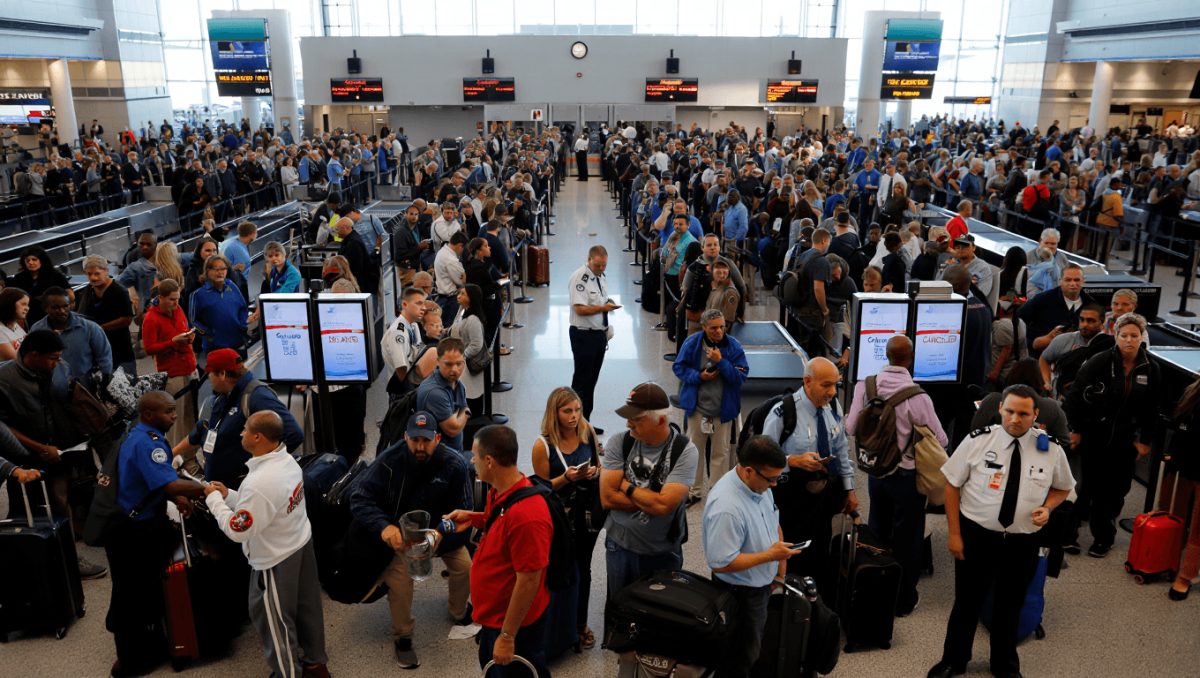
Travelers reported long wait times, delayed rebookings, and crowded terminals. Social media filled with images of packed gates and stranded passengers.
- Some passengers waited hours for rebooking or refunds.
- Meal vouchers and hotel arrangements were distributed unevenly.
- Customer-service queues, both online and at airports, grew lengthy.
How American Airlines communicated
The carrier used phone alerts, app updates, and gate announcements to relay changes. Still, customers said differing messages created confusion in several cases.
Industry and regulatory ripple effects
Fern’s impact extended beyond American Airlines. Other carriers adjusted schedules due to shared airport constraints. Airport authorities and the FAA issued advisories and temporary restrictions as conditions evolved.
- Air traffic flow measures were activated at busy airspace sectors.
- Some airports implemented temporary arrival or departure caps.
- Local authorities coordinated snow removal and ground operations.
What regulators emphasized
The Federal Aviation Administration highlighted safety as the priority. Where necessary, the agency supported contingency plans to restore normal operations.
Compensation, refunds, and rebooking policies
American Airlines revised its customer-service policies to address mass disruptions. Travelers were offered rebooking options and refunds under extended waivers.
- Flexible rebooking: Passengers could change itineraries without change fees on affected routes.
- Refund eligibility: Those who chose not to travel were typically eligible for refunds.
- Vouchers, lodging help, and meal reimbursements were provided case by case.
Steps to claim refunds or compensation
- Use the airline app or website to find eligible flights and start rebooking.
- Contact customer service for refunds if rebooking is not suitable.
- Keep receipts for out-of-pocket expenses for possible reimbursement.
Practical advice for travelers caught in the storm
When winter storms disrupt travel, preparation and patience are essential. Simple steps can reduce stress and increase options.
- Check flight status frequently through the airline app.
- Enroll for text alerts to get real-time updates.
- Bring essentials in carry-on luggage in case of delays.
- Be ready to accept alternate routings and extended travel times.
When to contact the airline vs. your travel provider
Contact the airline first for rebookings and refunds. If you purchased travel through an agent or third party, contact them for package changes.
Operational lessons and what to expect next
Industry analysts say the storm exposed vulnerabilities in scheduling resilience and supply of standby crews. Airlines will likely review contingency plans and routing flexibility.
- Networks may add buffer time during winter months.
- Airlines could expand cross-trained crews for faster recovery.
- Investment in real-time passenger communications may increase.