Show summary Hide summary
Delta Air Lines has placed a major order for long-range aircraft from Airbus, a move aimed squarely at growing its international premium offering. The carrier says the fleet investment will boost capacity on long-haul routes while raising the number of premium seats for business and affluent leisure travelers.
What the order includes and delivery expectations
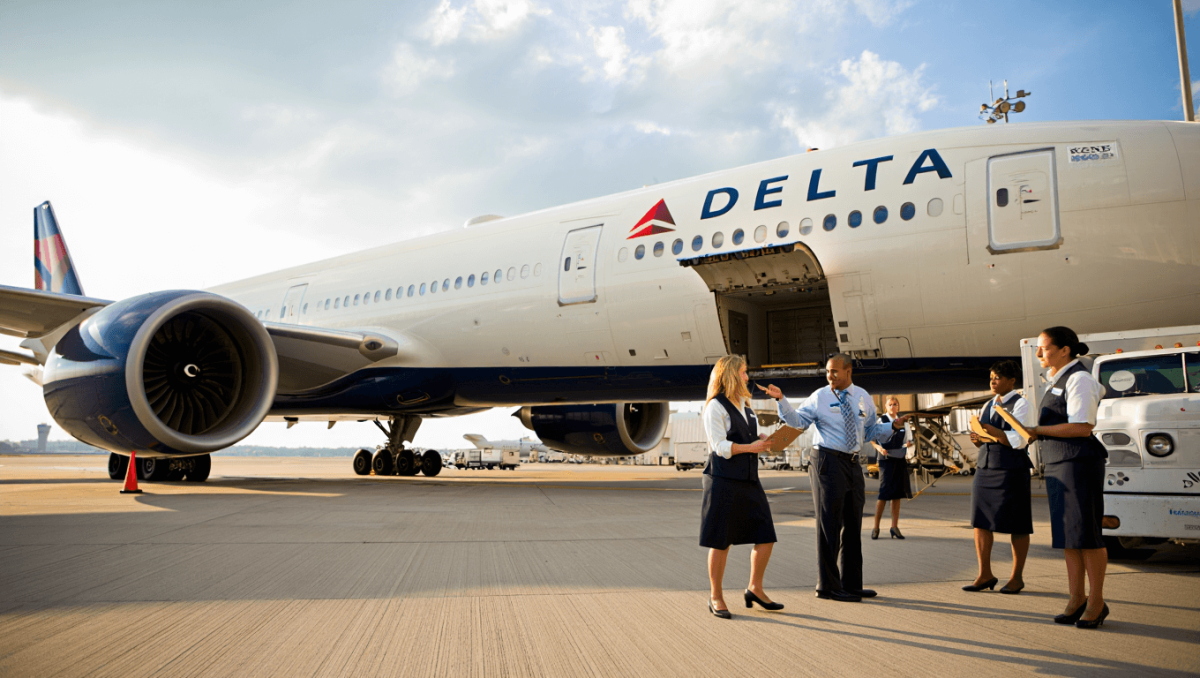
Delta confirmed an agreement for 31 long-range Airbus jets. The airline expects the new aircraft to join its network over several years. Details on exact models and the staging of deliveries were outlined by Delta in statements and follow-up filings.
Arkansas’ Darius Acuff Jr. earns rare Kyrie Irving comp from Bill Simmons
Sean Penn awarded Oscar forged from war-damaged Ukrainian train: he skipped the ceremony
- Fleet type: Long-range Airbus widebodies designed for transoceanic service.
- Delivery window: Staggered across upcoming delivery cycles to match route planning.
- Options and purchase rights: Contract includes flexibility for future fleet adjustments.
Cabin layout changes and premium focus
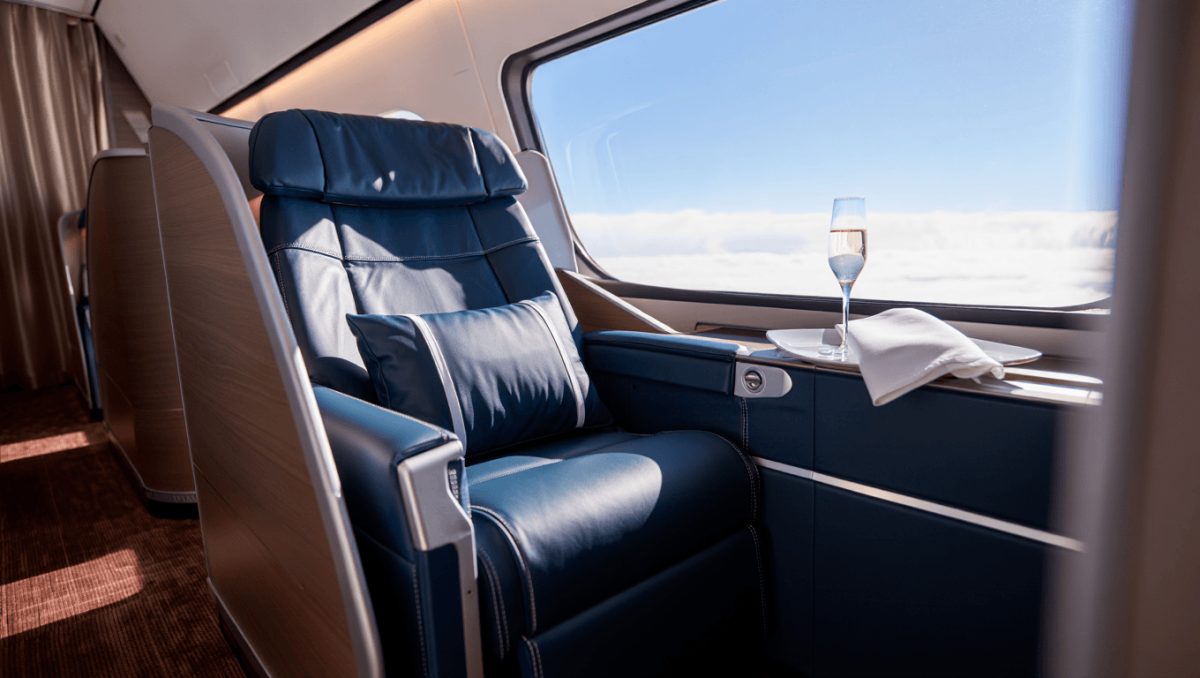
Delta is reshaping cabin mixes to favor higher-yield travelers. The new jets will include upgraded premium cabins and more lie-flat seats.
- Increased premium counts in business class.
- Enhanced premium-economy offerings on select aircraft.
- State-of-the-art in-flight entertainment and connectivity.
More premium seats signal Delta’s bet on business travel recovery and demand for comfort on long flights.
How this move reshapes Delta’s long-haul strategy
The order aligns with a push to strengthen international routes and compete on service and capacity. Executives say the aircraft will allow Delta to:
- Open new nonstop long-haul markets.
- Increase frequencies on high-yield corridors.
- Replace older, less efficient widebodies.
Industry analysts view the deal as a direct response to rising premium demand and competitive pressure from other U.S. carriers and foreign rivals.
Passenger experience upgrades to expect
Delta plans several passenger-facing improvements tied to the new fleet. Travelers can look for:
- Wider, more private business-class suites.
- Improved sleep and dining options for long flights.
- Faster Wi-Fi and larger IFE screens.
- More legroom in premium-economy sections.
Comfort and connectivity are central to passenger-facing changes meant to entice frequent flyers and high-value customers.
Financial and environmental implications
Newer aircraft typically offer better fuel efficiency. That translates to lower per-seat emissions and operating costs.
- Potential fuel savings compared with older models.
- Lower carbon intensity per passenger mile.
- Capital spending balanced against expected revenue gains from premium seats.
Delta’s finance team will weigh lease structures, manufacturer financing, and potential resale values to manage the investment.
Market reaction and competitive ripple effects
Investors and competitors are watching closely. Airline peers may respond by rethinking capacity or upgrading cabins.
- Stock markets may adjust on perceived growth potential.
- Rivals could accelerate their own fleet renewal plans.
- Corporate travel managers will watch route and product changes.
The move sends a clear signal that Delta intends to capture higher-margin international travel as demand strengthens.
Operational rollout and what travelers should watch for
Delta will phase aircraft into service while updating schedules. Passengers should monitor:
- Route announcements for new nonstop flights.
- Seat maps reflecting the new premium configurations.
- Promotions tied to the launch of upgraded cabins.
Frequent flyers may benefit from enhanced loyalty-earning opportunities as Delta deploys the jets on flagship routes.