Show summary Hide summary
- Where the storm will hit and what weather models show
- Air travel fallout: cancellations, delays, and ripple effects
- Airlines’ official responses and passenger options
- Practical travel tips for those on the move
- Roads, transit, and community impacts
- How businesses and schools are preparing
- Forecast updates and how to stay informed
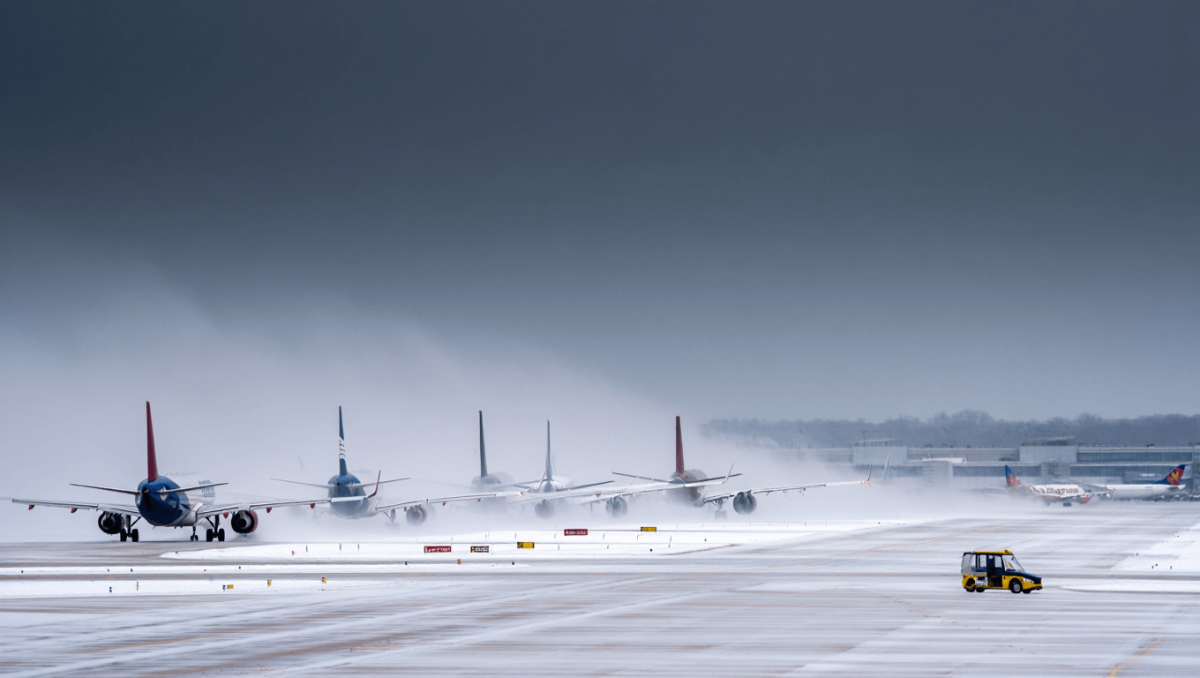
A powerful winter storm is pushing into the U.S. East Coast, forcing airlines to cancel flights and scramble operations across major hubs. Travelers waking up this weekend may face closed runways, long lines, and shifting schedules as snow, wind, and low visibility strike cities from the Mid-Atlantic to New England.
Where the storm will hit and what weather models show
Meteorologists track a low-pressure system moving from the Midwest toward the Atlantic. The storm is expected to deliver heavy snow, gusty winds, and coastal rain in some areas. Timing will vary by location, but most forecasts show peak impacts during the weekend.
Nickelodeon star arrested after alleged Malibu burglary
Euphoria season 3: Sydney Sweeney left off set as feud with Zendaya intensifies
- Snow bands likely across inland New England and the interior Mid-Atlantic.
- Coastal regions may see a mix of freezing rain and wet snow.
- Strong gusts could cause blowing snow and rapidly reduced visibility.
Air travel fallout: cancellations, delays, and ripple effects
Airlines have preemptively cut flights to limit crews and aircraft being stranded. So far, carriers have dropped hundreds of scheduled departures and arrivals.
- Rising cancellations: More than 1,000 flights were canceled across U.S. airports over the weekend.
- Major hubs affected: Airports in New York, Boston, Philadelphia, and Washington saw the highest disruption.
- Knock-on delays: A canceled flight at one hub often delays crews and planes at others.
Airlines’ official responses and passenger options
Major carriers posted waiver policies that allow travelers to reschedule without change fees. Some offered rebooking and refunds online, while customer service lines experienced heavy traffic.
- Check your airline’s app for live status and rebooking links.
- Look for emailed travel waivers or alerts with eligibility details.
- Consider changing flights to earlier or later days if seats are available.
What to expect at the airport
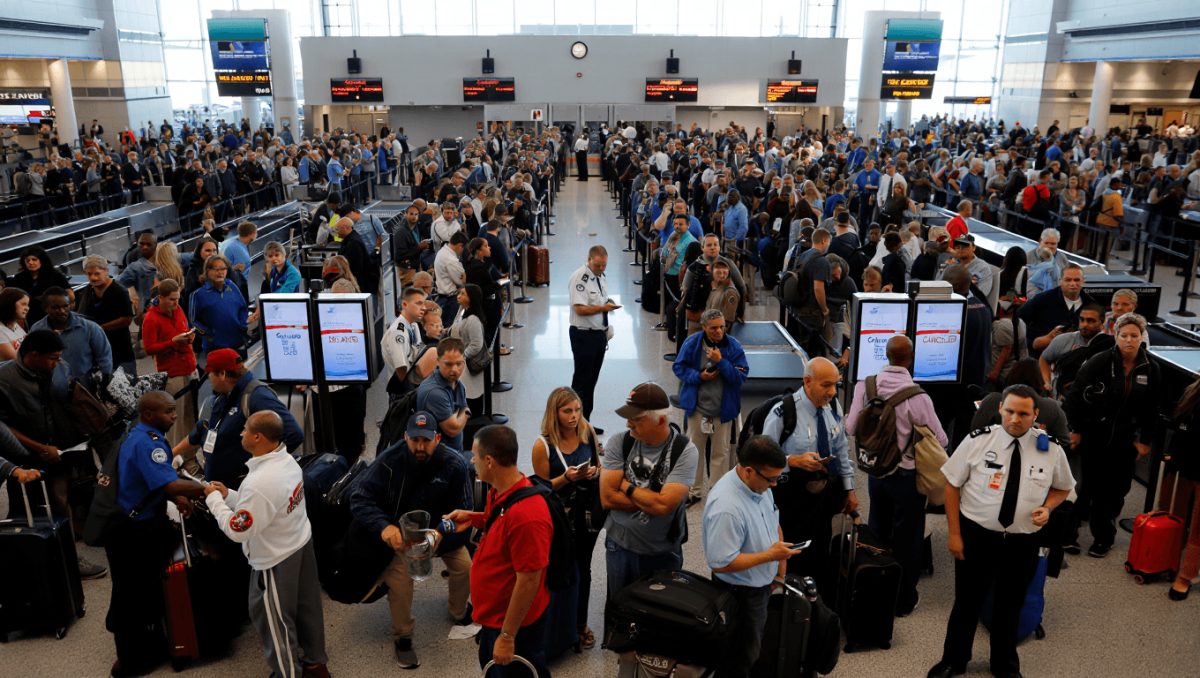
- Longer security lines as staffing and operations adjust.
- Potential gate changes and last-minute cancellations.
- Limited ground transportation if roads become hazardous.
Practical travel tips for those on the move
Simple steps can reduce stress and help you stay safe. Pack for delays, monitor conditions, and keep contacts handy.
- Confirm your flight: Verify status 24 and 2 hours before departure.
- Prepare for overnight delays: Bring snacks, medications, chargers, and essential items in carry-on luggage.
- Allow extra travel time: Road conditions may slow trips to airports.
- Use apps: Airline and airport apps provide fastest updates.
Roads, transit, and community impacts
Beyond airports, city streets and highways could clog or close. Transit agencies warned of slower service and potential suspensions on bus and commuter rail lines.
- Municipal plows will prioritize main arteries first.
- Public transit may suspend services during peak snowfall.
- Emergency services urge drivers to stay home when possible.
How businesses and schools are preparing
Several school districts and large employers announced remote learning or telework plans to avoid commutes. Retail and hospitality sectors are bracing for cancellations and staffing shortages.
- Companies encouraged flexible schedules to protect workers.
- Supermarkets and pharmacies reported higher demand for essentials.
- Hotels near airports noted last-minute bookings from stranded travelers.
Forecast updates and how to stay informed
Weather conditions can change rapidly. Rely on official sources for the latest alerts and follow local advisories closely.
- Monitor the National Weather Service for warnings and watches.
- Sign up for airline text alerts and airport push notifications.
- Check state and local transportation department websites for road conditions.