Show summary Hide summary
- Porter’s new Nashville link and what it means for travelers
- Expanded Boston service: more frequencies and flexibility
- Why Miami and Phoenix are getting extra seats
- Operational reasons behind the expansion
- Practical travel notes and tips for consumers
- Local and industry reactions to Porter’s growth
- What to watch next as routes ramp up
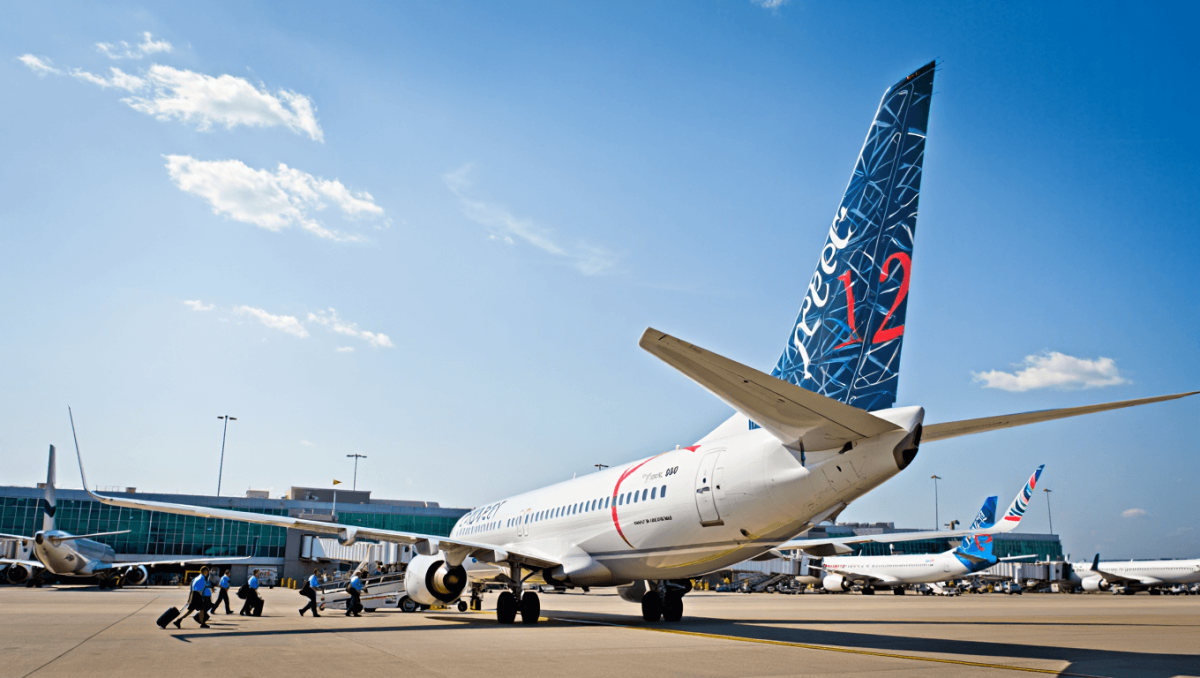
Porter Airlines is widening its U.S. footprint with a fresh route to Nashville while also boosting service to Boston, Miami and Phoenix, moves that aim to capture vacation and business travelers alike. The carrier frames the changes as a response to growing demand and network opportunities, promising more choice for Canadians seeking southern sun or U.S. city connections.
Porter’s new Nashville link and what it means for travelers
Porter’s introduction of service to Nashville marks a notable step into a major U.S. leisure and music market. The route gives Canadians a direct link to a popular destination for concerts, culinary tourism and corporate events.
United Polaris Studio suites: tickets now on sale for April inaugural flights
Auston Matthews-Radko Gudas controversy: Pierre LeBrun predicts fallout
- Direct access: Travelers can expect non-stop options that cut connection time and simplify weekend trips.
- Leisure demand: Nashville’s nightlife and festival calendar make it a natural fit for increased flights.
- Business ties: The route also supports trade and meetings between Canadian and Tennessee companies.
Expanded Boston service: more frequencies and flexibility
Porter’s ramp-up in Boston aims to serve both frequent flyers and short-break travelers. Increased frequencies provide more schedule choices throughout the week.
How passengers benefit
- Better timing: More flight options mean easier same-day round trips for business travelers.
- Connection ease: Improved ties to Boston’s airport give leisure travelers flexibility for New England trips.
- Competitive fares: More capacity often pressures prices downward, creating value opportunities.
Why Miami and Phoenix are getting extra seats
Porter’s boosted service to warm-weather hubs like Miami and Phoenix reflects seasonal demand and year-round leisure interest. Both markets attract sun-seeking Canadians and repeat visitors.
- Miami: Strong tourism demand and cruise connections bolster the case for additional flights.
- Phoenix: A popular destination for winter escapes and outdoor recreation, Phoenix sees steady demand.
- Seasonal balance: Porter can move capacity to match peak travel windows and holiday demand.
Operational reasons behind the expansion
Several factors likely influenced Porter’s move to add routes and frequencies.
- Fleet growth: Newer aircraft give airlines the range and economics to serve more U.S. cities.
- Market opportunity: Post-pandemic travel recovery has kept demand for cross-border leisure and business trips high.
- Competitive positioning: Expanding routes helps Porter capture market share from other carriers on popular corridors.
Practical travel notes and tips for consumers
Passengers should check a few details before booking to avoid surprises and get the best value.
- Compare schedules across days to find lower fares and convenient departure times.
- Review baggage policies and seat selection fees ahead of purchase.
- Confirm which Canadian airport is used for each flight, as carriers sometimes operate from different city terminals.
- Look for loyalty benefits or introductory fares tied to the new service.
Local and industry reactions to Porter’s growth
Municipal leaders and tourism groups often welcome new air service for its economic lift. More flights can boost hotels, restaurants and event bookings.
- Economic upside: Increased connectivity tends to drive business travel and visitor spending.
- Airline competition: New routes can spur fare competition and improved schedules from rivals.
- Community interest: Local stakeholders often seek partnerships to promote the new nonstop options.
What to watch next as routes ramp up
Travelers and observers should monitor capacity, fares and service patterns as the new routes mature. Airlines typically adjust frequency seasonally and in response to demand.
- Track introductory fare windows for savings on early bookings.
- Watch schedule changes for weekend and holiday peaks.
- Follow airline announcements for any further network tweaks or new city additions.