Show summary Hide summary
- What Southwest’s deal means for in-flight Wi‑Fi
- How the technology works on aircraft
- Passenger experience: what travelers will notice
- Installation process and fleet impact
- Business and pricing considerations
- Regulatory steps and safety checks
- How this compares with other airlines’ strategies
- Potential challenges and limitations
- Timeline and what to watch for in 2026
- Long-term implications for passengers and the industry
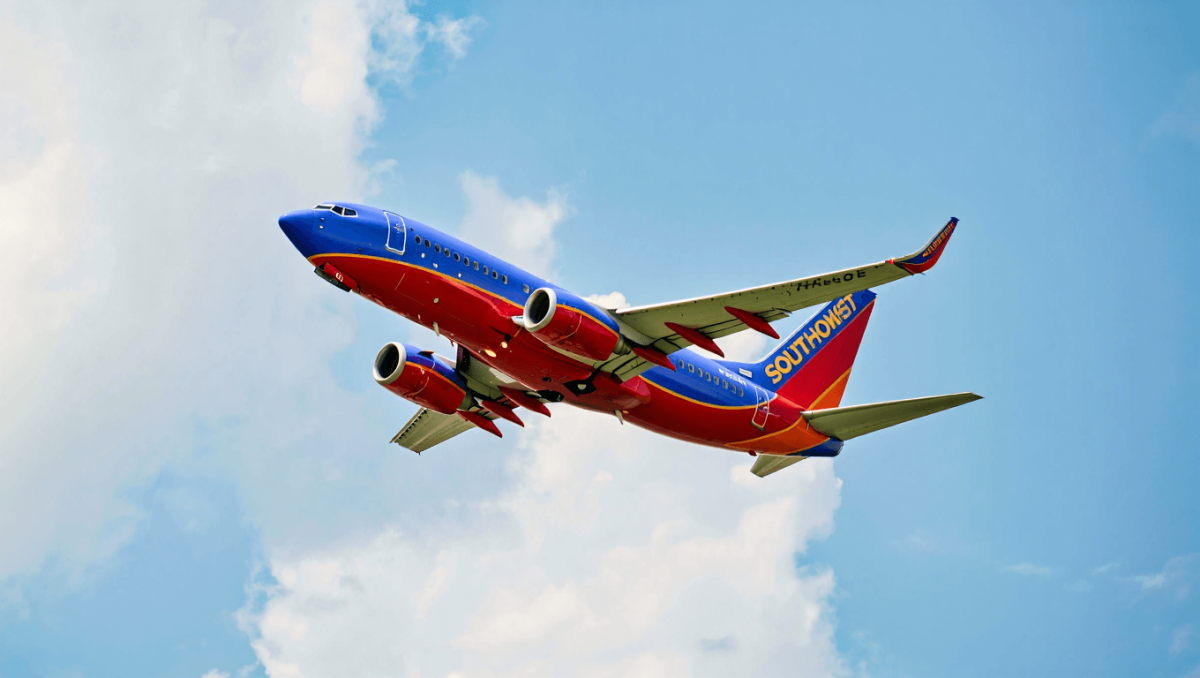
Southwest Airlines will outfit a large portion of its fleet with satellite-based internet from SpaceX, promising faster and more consistent Wi‑Fi for travelers. The rollout targets 300 aircraft and is scheduled to begin in 2026, marking a major shift in onboard connectivity for one of the largest U.S. carriers.
What Southwest’s deal means for in-flight Wi‑Fi
Southwest’s move signals a push toward modern, high-speed connectivity across its routes. Traditional air-to-ground systems often struggle with capacity and coverage. Satellite systems like Starlink offer broader bandwidth and lower latency.
United Polaris Studio suites: tickets now on sale for April inaugural flights
Auston Matthews-Radko Gudas controversy: Pierre LeBrun predicts fallout
- Scale: About 300 jets are slated to receive the equipment.
- Timing: Installations are set to start in 2026.
- Provider: SpaceX’s Starlink will deliver the service.
How the technology works on aircraft
Starlink uses a network of low-Earth orbit satellites to send and receive internet traffic. Antennas mounted on the fuselage connect to satellites overhead. That link carries passengers’ web traffic to ground stations and then to the broader internet.
Key technical benefits
- Higher speeds than many current onboard systems.
- Lower latency, improving video calls and streaming.
- More consistent connections over remote regions and oceanic routes.
Passenger experience: what travelers will notice
For flyers, the change should feel immediate and practical. Streaming, work calls, and online gaming may become viable during more flights. The upgrade aims to reduce buffering and dropouts.
- Faster browsing and streaming.
- Better reliability on longer flights.
- Improved support for multiple devices onboard.
Installation process and fleet impact
Retrofits require physical installation of antennas and related hardware. Configuring systems and certifying them for flight takes time. Southwest and SpaceX will likely phase work across hubs and aircraft types.
- Aircraft will be taken out of service for a few days for installations.
- Certification with aviation regulators is required before revenue flights.
- Maintenance teams must learn new hardware and software routines.
Business and pricing considerations
Southwest has not shared full pricing details. Carriers often decide between offering free basic Wi‑Fi, a tiered paid model, or subscription packages. The economics balance passenger expectations with equipment and satellite service costs.
- Equipment and installation bring up-front capital costs.
- Ongoing satellite bandwidth is a recurring expense.
- Revenue models may include ads, subscriptions, or per-flight fees.
Regulatory steps and safety checks
Before passengers can use the system in flight, regulators must clear the hardware and operational procedures. Airlines and SpaceX will demonstrate electromagnetic compatibility, interference controls, and secure communications.
- Approval from aviation authorities is required.
- Safety and interference testing is part of certification.
- Operational procedures must protect cockpit communications.
How this compares with other airlines’ strategies
Many carriers are shifting to satellite Wi‑Fi. Some use competing providers or hybrid systems. Southwest’s adoption of Starlink places it among airlines betting on low‑Earth orbit satellites to transform in‑flight internet.
- Other airlines have trialed or deployed similar satellite services.
- Differences include coverage areas, pricing, and performance.
- Airlines choose providers based on contracts, fleet fit, and service levels.
Potential challenges and limitations
Satellite systems are not a panacea. Performance can vary with congestion. Weather and antenna line-of-sight matter. And integration with cabin systems requires careful engineering.
- Bandwidth may be limited during peak usage.
- Antennas add weight and drag, affecting fuel costs slightly.
- Global coverage may be limited in polar or remote corridors.
Timeline and what to watch for in 2026
Southwest plans installations to begin in 2026. Travelers should watch for phased rollouts, announcements about pricing, and which routes get service first. Early adopters may see benefits on longer flights and busy corridors.
- Initial installations likely target high-traffic aircraft.
- Public testing phases may precede full commercial service.
- Passenger feedback will shape future service tiers and policies.
Long-term implications for passengers and the industry
Widespread satellite Wi‑Fi could change how people work and relax in the sky. Airlines that deliver fast, reliable internet will have a competitive edge. For passengers, better connectivity means more productive and entertaining travel time.
Watch for broader adoption across fleets and evolving pricing models, as airlines balance passenger demand with operational costs and regulatory requirements.