Show summary Hide summary
- Why rugged coastlines beat resort beaches for impact
- Five coastal escapes that will change how you travel the shore
- Cumberland Island, Georgia — Feral horses and Gilded-Age ghosts
- Molokai, Hawaii — Slow rhythms, sharp cliffs, and island culture
- Orcas Island, Washington — Cool summers and neon nights
- Shelter Cove, California — The Lost Coast’s steep, silent shoreline
- Lubec, Maine — Puffins, cliffs, and the first sunrise
- Practical planning: timing, bookings, and what to pack
Swap the lounge chair for wind and cliff light. If you want the ocean to unsettle you and leave a memory, choose coasts that demand attention. These shores are loud in silence, dramatic in weather, and unforgettable in scale.
Why rugged coastlines beat resort beaches for impact
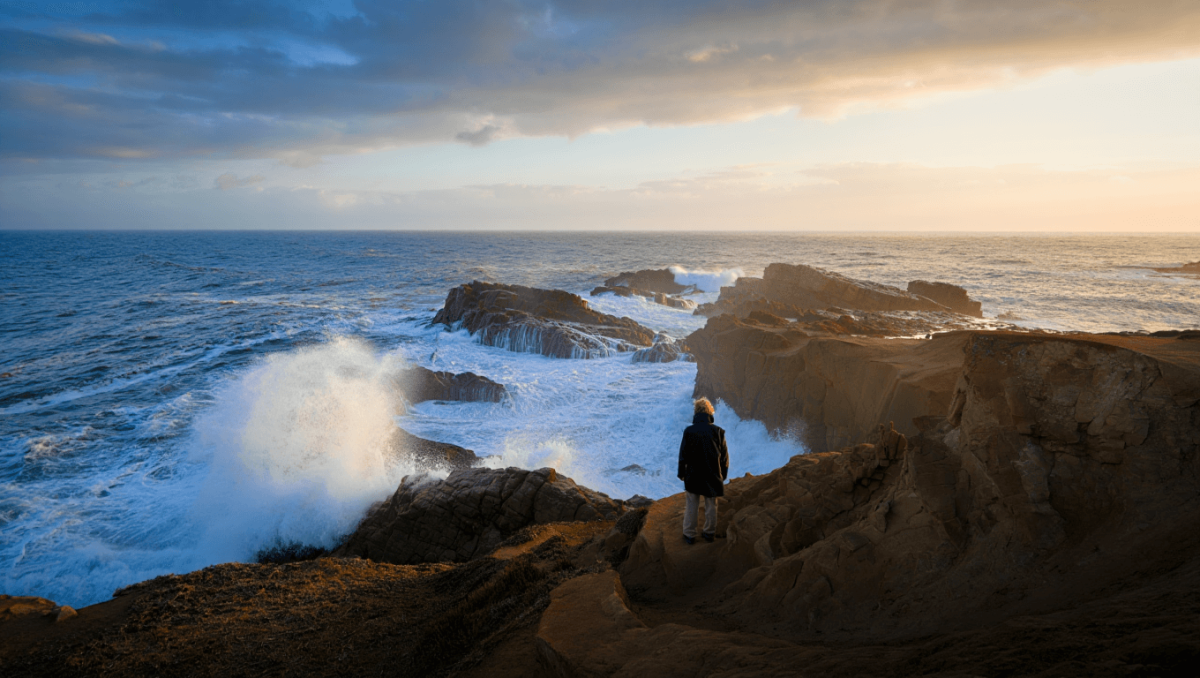
Resort strips are designed to soothe. Rugged coasts do the opposite. They reshape perspective, force quiet, and reward curiosity.
Knicks superfan Ben Stiller skips Oscars to watch gritty win over Warriors
U.S. embassies warn: 5 new travel alerts after demonstrations spread
- Raw landscapes create memorable photos and stories.
- Wildlife encounters feel unscripted and rare.
- Less development often means cleaner night skies and real solitude.
When you pick a raw coastline you choose atmosphere over amenities. You sign up for small logistics and big payoffs.
Five coastal escapes that will change how you travel the shore
Cumberland Island, Georgia — Feral horses and Gilded-Age ghosts
Cumberland Island is a ferry-only park where history and wilderness collide. The rail-era ruins of a grand house sit among maritime forest.
- Access: Ferry service limits daily visitors. Plan ahead.
- What to expect: Miles of empty beach, old-growth live oaks, and wild horses roaming freely.
- Best time: Late fall through early spring to avoid biting insects.
Bring a bicycle and a sense of quiet. Camping and backcountry walks amplify the island’s otherworldly feel.
Molokai, Hawaii — Slow rhythms, sharp cliffs, and island culture
Molokai resists tourism at scale. Here culture and land stewardship shape the pace of life. Expect few crowds and strong local traditions.
- Access: Small planes and local ferries keep the island intimate.
- Highlights: Sheer sea cliffs, agricultural valleys, and low-rise coastal communities.
- Local tip: Respect sacred places. Book local guides to learn island history.
Molokai is for travelers who value depth over convenience. It’s about listening and moving slowly.
Orcas Island, Washington — Cool summers and neon nights
Part of the San Juan archipelago, Orcas blends evergreen hills with sheltered bays. It’s a top pick for cooler summer escapes.
- Seasonal magic: Warm-day, cool-night summers and clear new-moon nights bring bioluminescence.
- Getting there: Washington State ferries and small airports; reserve early in summer.
- Activities: Kayaking, hiking to viewpoints, whale watching, and paddling in glowing plankton.
Night paddles on calm waters can light your wake like a neon ribbon. Book guided trips for safety and better vantage points.
Shelter Cove, California — The Lost Coast’s steep, silent shoreline
Where Highway 1 ends and the continent refuses a road, the Lost Coast hides a dramatic coastline. Shelter Cove is the gateway.
- Road warning: Access involves narrow, steep roads that demand careful driving.
- Landscape: Black-sand pockets, rocky headlands, and almost no development.
- Local pleasures: Small breweries, remote tide pools, and long rugged beach walks.
If you’re driving a large vehicle, choose a sturdy rental. The route is part of the adventure.
Lubec, Maine — Puffins, cliffs, and the first sunrise
At America’s northeastern edge, Lubec sits beside dramatic cliffs and old lighthouses. The coast here feels more Irish than New England.
- Wildlife draw: Machias Seal Island hosts Atlantic puffins. Tours are limited and sell out early.
- Sunrise claim: West Quoddy Head Lighthouse sees the first U.S. sunrise.
- Plan ahead: Book boat charters and puffin blinds months in advance.
Expect wind, bright light, and a landscape that rewards early mornings and long walks.
Practical planning: timing, bookings, and what to pack
Raw coasts require a little extra planning. The effort pays off with fewer tourists and richer experiences.
- Book early: Ferries, small plane seats, and charter tours often sell out.
- Weather-ready gear: Layers, waterproof outerwear, and sturdy footwear are essential.
- Respect rules: Wildlife protections and local customs matter on these fragile shores.
Packing checklist for rugged coastal trips
- Windproof jacket and warm layers
- Waterproof boots or trail shoes
- Portable snacks, first-aid kit, and a reliable map
- Binoculars for seabirds and distant wildlife
- Reusable water bottle and sun protection