Show summary Hide summary
- What it means for TSA workers and paychecks
- How airport operations are affected
- Guidance for travelers: prepare to face delays
- Legal and financial context for federal staff
- Voices from unions, lawmakers, and the agency
- Operational risks and passenger safety considerations
- Lessons from past shutdowns and what could happen next
- Immediate steps agencies and travelers can take
Air travel faces fresh uncertainty as Transportation Security Administration staff are ordered to keep screening passengers while federal funding lapses. The move forces frontline security officers to carry out their duties without immediate pay, intensifying pressure on airports and travelers already on edge.
What it means for TSA workers and paychecks
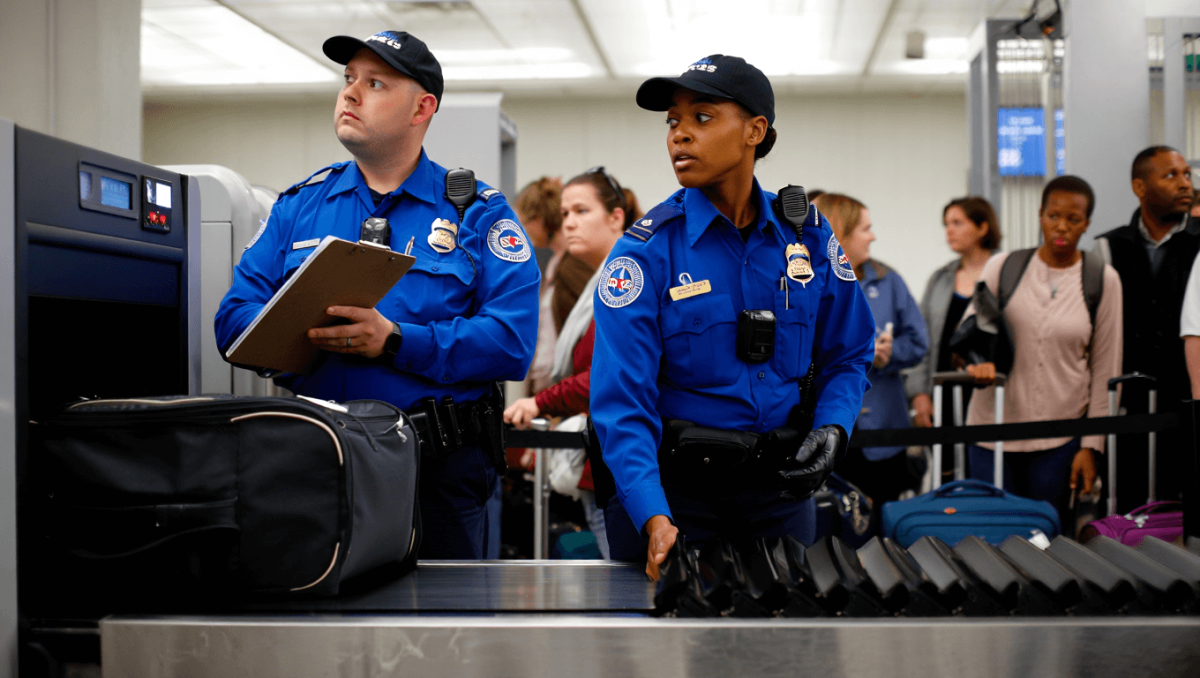
With a partial government shutdown in effect, many TSA employees remain on the job as “excepted” personnel. That means they are required to work but will not receive regular wages until Congress acts. The immediate result: officers continue screening without pay.
United Polaris Studio suites: tickets now on sale for April inaugural flights
Auston Matthews-Radko Gudas controversy: Pierre LeBrun predicts fallout
Past shutdowns show lawmakers often approve retroactive pay once funding is restored. Still, the delay leaves workers to manage bills, childcare, and commutes without paychecks for the duration.
How airport operations are affected
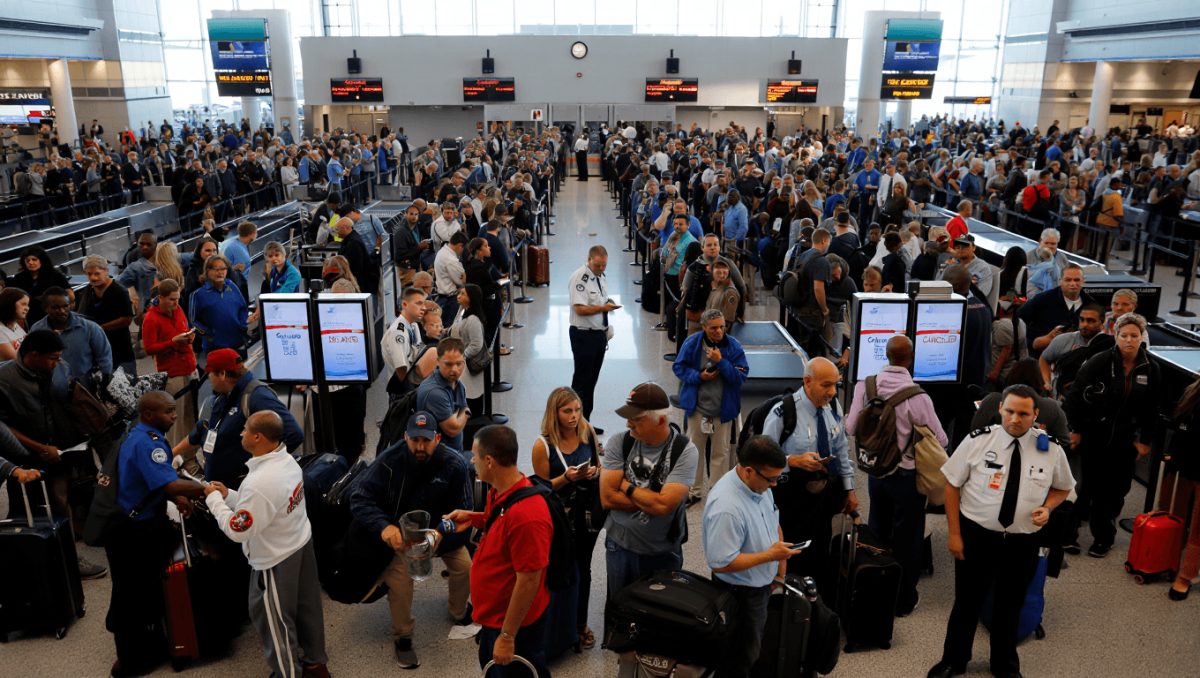
Airports tend to stay open during funding gaps because aviation depends on continuous security screening. Still, the strain shows up in several ways:
- Longer lines at checkpoints as staffing becomes unpredictable.
- Increased reliance on overtime from willing officers.
- Potential morale and fatigue issues among security staff.
Travelers may see longer waits and fewer staffing flexibilities. Airlines and airports often scramble to adjust resources during these periods.
Guidance for travelers: prepare to face delays
Passengers can take steps to reduce frustration and avoid missed flights:
- Arrive at the airport earlier than usual.
- Pack carry-ons to speed screening and reduce hold baggage.
- Use mobile boarding and check-in to limit lines at counters.
- Enroll in trusted traveler programs where possible.
Monitoring airline alerts and airport websites helps passengers adapt to real-time changes.
Legal and financial context for federal staff
Federal rules categorize some employees as essential during lapses. For those excepted, the work continues but pay is deferred. Historically, Congress has provided retroactive pay after shutdowns, but that restoration is not automatic.
Non-excepted workers may be furloughed and left without work or pay until funding resumes. Both groups face personal financial strain during the interruption.
Voices from unions, lawmakers, and the agency
Unions representing TSA workers often call for rapid resolution and protections for frontline staff. Lawmakers across parties use funding fights to press policy priorities, while the agency works to maintain security standards.
Statements from union leaders typically emphasize worker welfare and safety concerns. Elected officials may pledge back pay, but negotiations determine timing and scope.
Operational risks and passenger safety considerations
Maintaining security is the top priority, but stretched staffing can raise operational risks. Fatigue and reduced staffing flexibility can affect screening efficiency and morale.
Airport operators and TSA managers must balance continuous security with the well-being of staff. That balancing act determines whether delays increase or systems hold steady.
Lessons from past shutdowns and what could happen next
Previous funding lapses showed airport systems can keep functioning, yet recurring shutdowns compound stress on federal workers. If the lapse persists, courts, Congress, or the administration may intervene to resolve funding.
What happens next depends on political negotiations and whether lawmakers pass appropriations or a continuing resolution to restore pay and funding.
Immediate steps agencies and travelers can take
- Agencies: prioritize critical checkpoints and rotate staff to reduce burnout.
- Airports: communicate wait times and staffing changes in real time.
- Travelers: plan extra time, keep documentation handy, and check status updates.