Show summary Hide summary
- Where the new airport will sit and why it matters for Machu Picchu travel
- When the airport might open — and why the date is still fluid
- Why 2026 could be the easiest year to visit before visitor numbers spike
- What recent safety headlines mean for travelers
- Flights, transfers, and realistic travel planning tips
- How to decide whether to travel now or wait for the new gateway
Peru is preparing a transport shake-up that will make visiting Machu Picchu significantly faster for many travelers. A new airport near Chinchero promises to cut hours off the trip from the main hubs, but details remain sketchy and timelines uncertain. Here’s a clear, practical update on what to expect, when to plan, and how recent safety headlines factor into your travel choices.
Where the new airport will sit and why it matters for Machu Picchu travel
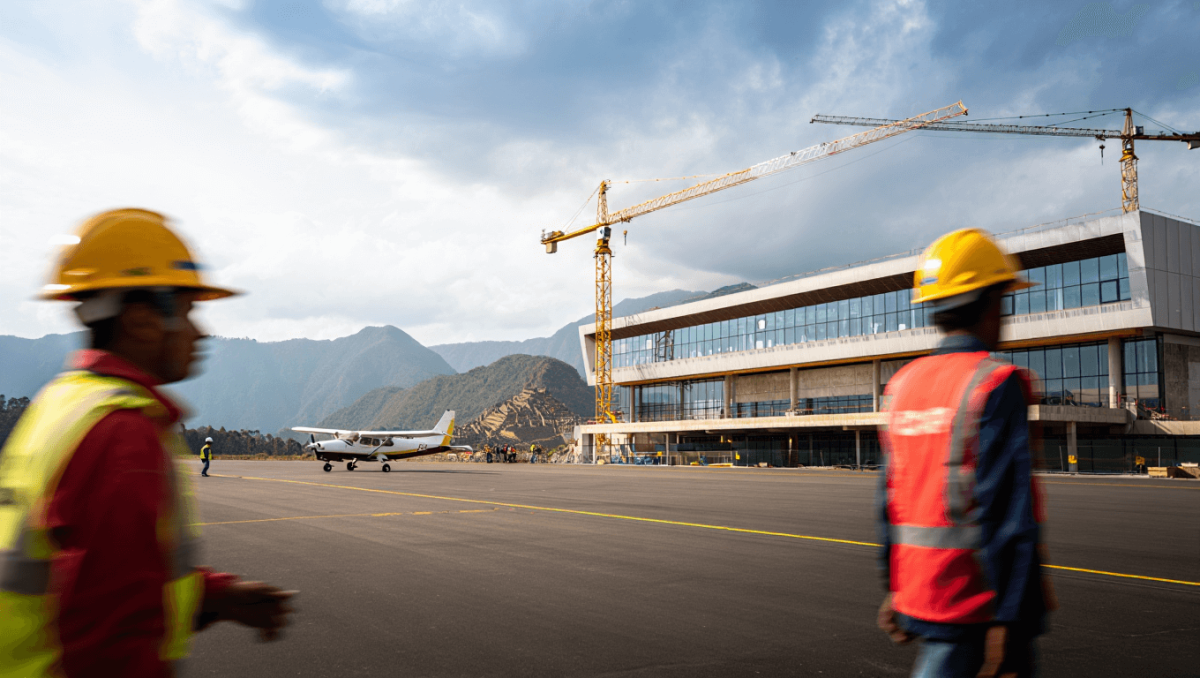
The project centers on Chinchero, a town in the Andes that sits closer to the historic Inca site than Cusco. The planned Chinchero International Airport will change routing for many visitors.
Knicks superfan Ben Stiller skips Oscars to watch gritty win over Warriors
U.S. embassies warn: 5 new travel alerts after demonstrations spread
- Proximity: Chinchero is roughly 18 miles from the ruins. That puts air access far nearer than flying into Cusco.
- Shorter transfers: Travelers who currently endure long bus rides or the train corridor could cut total ground time dramatically.
- Traditional routes will not disappear. Expect options to include flights, buses, trains, and multi-day treks for the foreseeable future.
Hiking the Inca Trail still takes multiple days. Even the fastest train option from Cusco can require several hours. The new airport aims to reduce that friction for many visitors.
When the airport might open — and why the date is still fluid
Officials and industry sources have offered a target window, but the opening is not guaranteed on a fixed day. Delays tied to permits and planning mean travelers should be cautious when making booking decisions.
- Current public estimates point to an opening around late 2027, but this is unofficial and subject to change.
- Bureaucratic and construction hurdles are the main reasons for the uncertain timeline.
- Airlines, route announcements, and international connections will likely be phased in after the runway and terminals are operational.
In short, do not expect direct flights to Chinchero to appear for purchase yet. Plan 2026 and much of 2027 as if the new airport will not be operational.
Why 2026 could be the easiest year to visit before visitor numbers spike
Industry analysts and local tourism planners anticipate a major jump in arrivals once Chinchero accepts regular international flights. That means a window of lower crowds around Machu Picchu before the new gateway is fully active.
- Surge expectations: Some estimates suggest visitor numbers could climb substantially after the airport opens.
- If you prefer fewer crowds, 2026 may offer a calmer experience than late 2027 and beyond.
- Peak weather season in the region runs roughly from May through September. Book early if you want good weather and smaller crowds before the surge.
Adding a stop in Lima or staying an extra night in Cusco remains practical while airport plans finalize. Lima also works well as a regional hub for connections.
What recent safety headlines mean for travelers
Machu Picchu and the surrounding travel network have seen high-profile incidents in the past year. Those headlines have shaped public perception and travel advice.
- There were security alerts and a significant train accident that injured travelers and caused at least one death.
- Despite those events, visitor statistics rose in 2025, indicating strong ongoing demand.
- The U.S. State Department rates Peru as Level 2 — Exercise Increased Caution, similar to many popular international destinations.
Practical travel behavior matters more than headlines. Stay informed via official advisories, avoid risky routes at night, and use licensed operators for transfers and tours.
Flights, transfers, and realistic travel planning tips
Until Chinchero opens, the standard approach to reach Machu Picchu remains unchanged. Here are practical points to help plan logistics and avoid headaches.
- Main gateways: Lima is the primary international hub. Domestic flights to Cusco are common. Some international connections may route through Bogotá depending on your origin.
- Onward travel: From Cusco you will typically transfer by road or board the train toward Aguas Calientes, the town at the foot of Machu Picchu.
- Booking tips:
- Reserve train seats and park permits well in advance during peak months.
- Consider guided treks if you want the Inca Trail experience and have permits available.
- Allow cushion days for weather or transport delays when creating your itinerary.
- Packing and altitude: Bring layers, sunscreen, and water. Allow time for acclimatization in Cusco to avoid altitude sickness.
How to decide whether to travel now or wait for the new gateway
Your choice depends on priorities: solitude, convenience, or novelty. Each path has trade-offs.
- If you want fewer crowds and are flexible, consider traveling in 2026 before the airport opens.
- If convenience is key, monitoring official announcements about Chinchero routes will matter for trips after 2027.
- For adventurous travelers, the classic overland and trekking routes remain rewarding and culturally rich.
Practical next steps: monitor government travel advisories, set flight alerts for Lima and Cusco, and hold off on searching for direct Chinchero routes until airlines confirm schedules.