Show summary Hide summary
- Who was released and on what terms
- What triggered the arrests: the group statement that shook Tehran
- Panahi’s perspective: why he feels compelled to go back
- Mahmoudian’s history and why this matters for the film
- The film’s accolades and Oscar nominations
- Notable signatories and public figures behind the statement
- Reactions and what to watch next
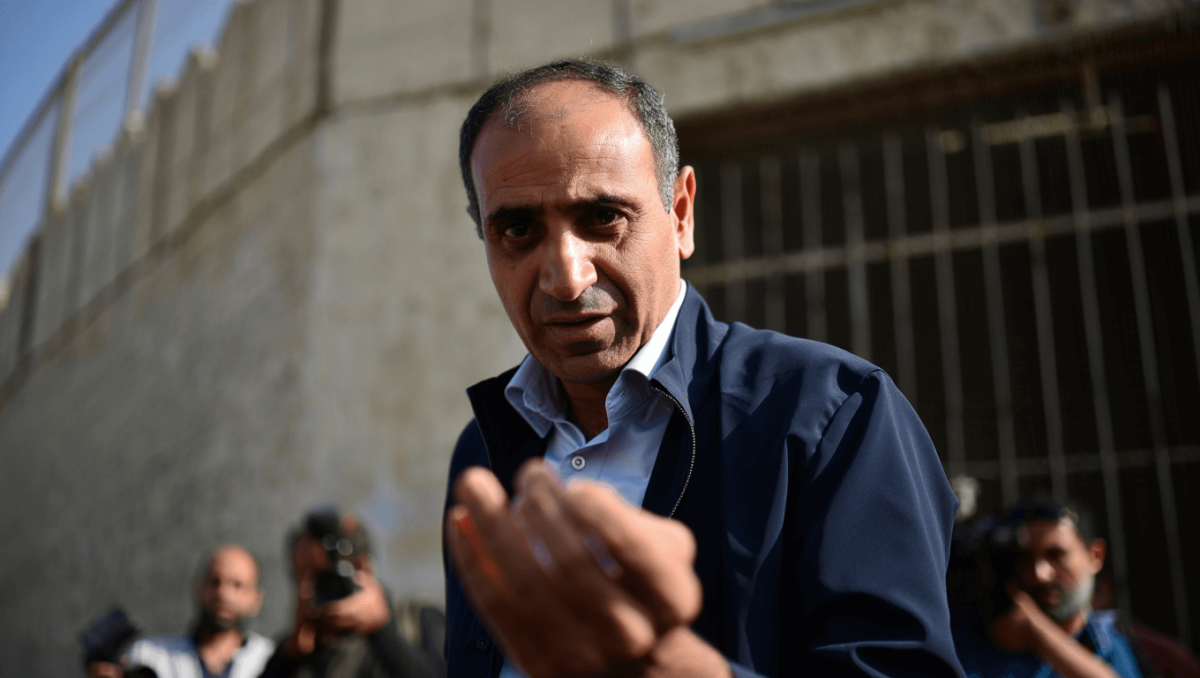
Iranian authorities have freed Mehdi Mahmoudian, the co-writer of Jafar Panahi’s Oscar-nominated film, from Nowshahr Prison, officials and his legal team said Tuesday. The release follows a wave of arrests tied to a public letter denouncing the country’s leadership, and comes as Panahi prepares to return to Iran after the Oscars on March 15.
Who was released and on what terms
Mahmoudian walked out of detention on bail alongside journalist Vida Rabbani and activist Abdollah Momeni. Each was released after roughly 17 days behind bars. According to court filings, the Revolutionary Court approved conditional releases with bail set at 6.5 billion tomans per person, about $10,000 each.
Vacation spots worth every penny: 12 trips to splurge on now
Pumpkin spice at Starbucks: 6 easy ways to get more for your money
What triggered the arrests: the group statement that shook Tehran
The three were swept up in a crackdown after a coordinated public statement by 17 cultural and civil society figures. The document accused Iran’s highest authority of bearing responsibility for mass killings during recent unrest.
- The statement called the killings systematic and a crime against the nation.
- It demanded accountability for security forces and the release of political prisoners.
- Signatories urged a national process, including a referendum and constituent assembly, to determine Iran’s future.
The authors of the letter placed priority blame on Iran’s leader and warned that failing to seek justice would deepen the country’s crises.
Panahi’s perspective: why he feels compelled to go back
Jafar Panahi has long lived under severe restrictions in Iran, including imprisonment, house arrest, and a ban on filmmaking that spans decades. At a recent festival panel, he described the deep ties that bind him to colleagues and family still living under those constraints.
Panahi says part of him feels morally obligated to return, even at personal risk. He explained that staying abroad would feel like abandoning those who face repression daily. He also acknowledged existing legal penalties, including a remaining one-year sentence. He intends to travel home after Oscar night.
Panahi on the state’s response to protests
Speaking about the unrest, Panahi accused security forces of extreme violence and said many protesters joined rallies with their families. He argued that when authoritarian rulers feel threatened, repression often escalates.
Mahmoudian’s history and why this matters for the film
Mahmoudian is a writer, journalist, and rights defender who previously spent five years in prison for exposing abuses at a detention facility. That earlier work helped close the center and shaped his later activism. His experiences informed parts of the screenplay for the Palme d’Or-winning film.
His long record of civic reporting and detention has made his release a focal point for defenders of press freedom and film communities worldwide.
The film’s accolades and Oscar nominations
It Was Just an Accident, co-written by Panahi, Mahmoudian, Nader Saeivar, and Shadmehr Rastin, has drawn major critical acclaim.
- Multiple critics groups have honored the film.
- It won several Gotham Awards, including Best International Film.
- The screenplay team is up for Best Original Screenplay at the Oscars, and the film is also nominated for Best International Feature.
Notable signatories and public figures behind the statement
The “Statement of the Seventeen” included filmmakers, lawyers, journalists, and human rights advocates. Among those publicly associated with the declaration were:
- Jafar Panahi
- Mehdi Mahmoudian
- Vida Rabbani
- Mohammad Rasoulof
- Nasrin Sotoudeh
- Abdollah Momeni
Other cultural and civic leaders also added their names to the appeal for accountability and democratic reform.
Reactions and what to watch next
The release on bail offers a temporary reprieve but not full legal closure. Several signees remain under scrutiny, and sentences or renewed charges could still be applied. Human rights groups are monitoring developments closely.
The coming weeks—through the Oscars and Panahi’s planned return—will be decisive for the filmmakers and activists connected to the letter, and for efforts to hold Iran’s leaders accountable in the public eye.