Show summary Hide summary
- Leavenworth, Washington — Bavarian fantasy in the Cascades
- Marfa, Texas — Minimalist art amid desolate horizons
- Ouray, Colorado — A cliff-walled alpine gem
- Mackinac Island, Michigan — A transport-free Victorian escape
- St. Augustine, Florida — Spanish-era streets and stone fortresses
- Solvang, California — Danish architecture in wine country
- Taos, New Mexico — Ancient pueblos and luminous deserts
- Sitka, Alaska — Russian echoes on a Pacific isle
- Bisbee, Arizona — Colorful stairs and mining ghosts
- Tarpon Springs, Florida — A Greek fishing enclave
- Mini quiz: Which “other-world” U.S. town fits you?
Load the car, pick a playlist, and drive until the landscape starts to feel unfamiliar. Across the United States are tiny towns that transport you to other countries, forgotten eras, or weird artistic worlds. These places are more than pretty postcards; they have distinct characters that make you forget you’re still on U.S. soil.
Leavenworth, Washington — Bavarian fantasy in the Cascades
Why it feels European
United Polaris Studio suites: tickets now on sale for April inaugural flights
Auston Matthews-Radko Gudas controversy: Pierre LeBrun predicts fallout
A mountain town that remodeled itself into a Bavarian village in the 1960s, Leavenworth trades Pacific Northwest norms for half-timbered facades and Alpine decor. The jagged Cascade skyline gives the whole scene an unusual authenticity.
How to make the most of a visit
- Pick shoulder season: October brings fall color and smaller crowds.
- Avoid the December light festivals if you hate long lines.
- For Bavarian classics, find cellar-style eateries serving schnitzel and sausages.
Marfa, Texas — Minimalist art amid desolate horizons
What sets Marfa apart
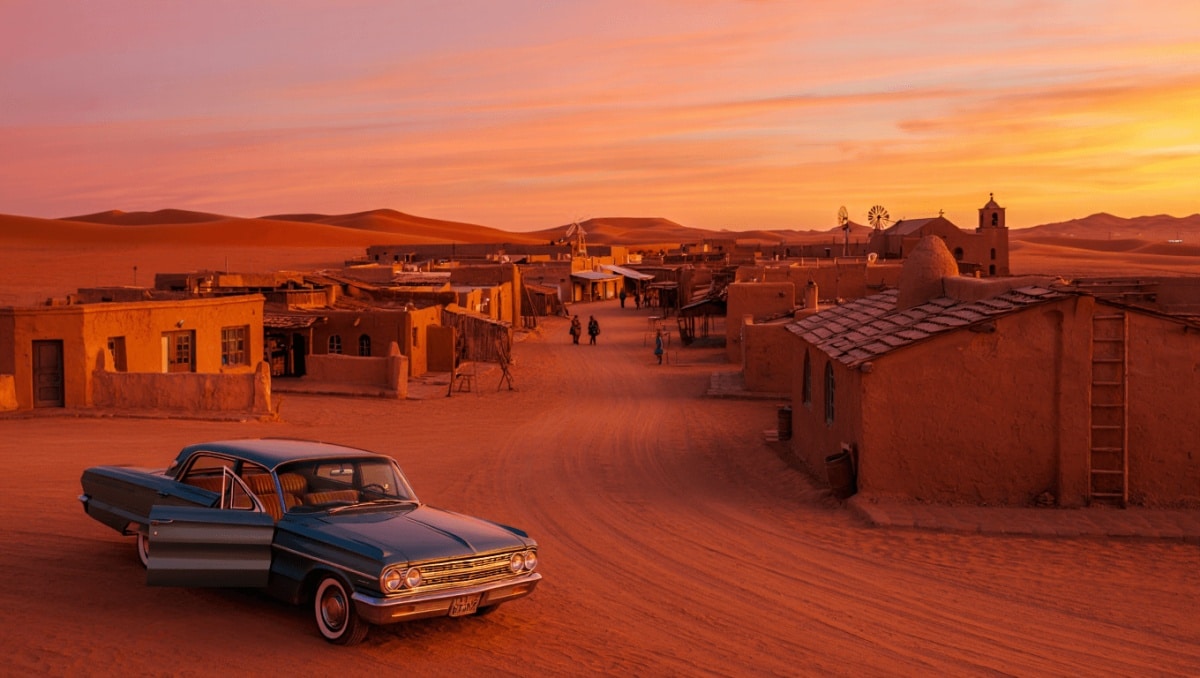
In the high desert, Marfa feels purposely strange. Contemporary installations sit beside abandoned buildings, and a minimalist museum founded by a major 20th-century artist anchors the town’s cultural gravity.
Not-to-miss experiences
- Visit the Chinati Foundation to see large-scale concrete and steel works.
- At sunset, head to the viewing spot for the unexplained Marfa lights.
- Pack patience; distances between attractions are long and cell service can fade.
Ouray, Colorado — A cliff-walled alpine gem
The mountain-town vibe
Perched in a narrow canyon, Ouray feels like a Swiss postcard without the resorts. Victorian storefronts hug the valley floor while sheer rock faces tower above.
Adventure and recovery
- Try the cliffside Via Ferrata for secured rock exposure with dramatic drops.
- After a day of climbing, unwind in private geothermal tubs at nearby lodges.
- Bring layered clothing; canyon microclimates change quickly.
Mackinac Island, Michigan — A transport-free Victorian escape
Why the silence feels historic
Cars were banned here over a century ago. Arrival by ferry replaces traffic noise with horse hooves and bicycle chains. The island drifts in an old-fashioned, seaside rhythm.
Best local moves
- Rent a bicycle as soon as you arrive and ride the water-side 8-mile loop.
- Visit the famed Grand Hotel porch for a glimpse of old hospitality.
- Early mornings are the quietest and most magical.
St. Augustine, Florida — Spanish-era streets and stone fortresses
Old-world architecture on the Atlantic
Founded in the 1500s, this city predates most American settlements. Narrow, cobbled lanes and wrought-iron balconies recall Iberian cities more than modern Florida.
Evening atmosphere and dining
- The city takes on a different energy after dark; lantern-lit alleys feel atmospheric and slightly eerie.
- For classic regional cuisine, reserve at a long-standing Spanish restaurant and try the tableside salads and paella.
- Historic sites reward slow wandering rather than rushed checklists.
Solvang, California — Danish architecture in wine country
A slice of Denmark in the valley
Windmills, bakery windows, and Nordic statues interrupt the Santa Ynez vineyards. Founded by Danish settlers in the early 20th century, the town preserves a strong European character.
Eat, bike, and taste
- Do a bakery crawl for traditional Danish pastries and fluffy pancake spheres called aebleskivers.
- Combine a pastry binge with a bike ride through nearby vineyards.
- Book ahead for busy weekends in peak season.
Taos, New Mexico — Ancient pueblos and luminous deserts
Layers of history and light
Taos blends living Native communities, adobe architecture, and a landscape prized by painters. The centuries-old pueblo and surrounding mesas create an uncanny, timeless feeling.
Contrasts to explore
- Walk through the Taos Pueblo to see continuous habitation stretching back generations.
- Drive to the nearby Earthship community to experience radical, off-grid architecture.
- Photographers and painters come for the unique high-desert light.
Sitka, Alaska — Russian echoes on a Pacific isle
Imperial architecture and wild backdrops
Once the capital of Russian Alaska, Sitka still bears onion-domed churches and fortified structures. Dense rainforest meets open ocean here, framed by a volcano silhouette.
Where to feel the place
- Visit local historical parks with totem poles and interpretive trails.
- Seek out St. Michael’s Cathedral to see Russian Orthodox influences.
- Expect damp, misty conditions and bring sturdy boots.
Bisbee, Arizona — Colorful stairs and mining ghosts
A steep town turned creative haven
Built around a major early mining boom, Bisbee now charms with crooked alleyways, murals, and an artsy, slightly spooky personality. The town clings to canyon walls in a way few places do.
Active wanderer’s guide
- Walk the stair-filled streets to discover hidden artworks and tiny courtyards.
- Take an underground mine tour for a hands-on slice of history.
- Bring water and good shoes; the grades are steep.
Tarpon Springs, Florida — A Greek fishing enclave
Aegean culture on the Gulf
Founded by sponge divers and Greek immigrants, this bayfront town keeps Mediterranean language and food alive. The docks, bakeries, and festivals give the place a salty, island-like feel.
Food and sea traditions
- Sample saganaki (flaming cheese) and baklava at longstanding family-run restaurants.
- Take a small-boat tour to watch traditional sponge-diving techniques.
- Weekends bring lively markets and cultural performances.
Mini quiz: Which “other-world” U.S. town fits you?
Answer three quick prompts and tally your letters. The majority letter points to a town that matches your travel mood.
-
Landscape you crave:
- A. Alpine peaks and chalets
- B. Empty desert and contemporary art
- C. Ocean island and horse-drawn peace
- D. Ancient adobe and artists’ light
- E. Old-world Mediterranean docks
-
Main activity you want:
- A. Scenic hiking and mountain climbs
- B. Museum-hopping and galleries
- C. Biking and calm exploration
- D. Cultural history and architecture
- E. Food-focused roaming and markets
-
What are you avoiding?
- A. Massive crowds and theme-park feels
- B. Generic chain shops and malls
- C. Car traffic and noisy highways
- D. Resorts with no local flavor
- E. Fast-food sameness and bland cuisine
Count which letter appears most often:
- Mostly A: Leavenworth or Ouray for alpine escapes.
- Mostly B: Marfa or Taos for art and unusual landscapes.
- Mostly C: Mackinac Island for a car-free getaway.
- Mostly D: St. Augustine or Solvang for historic, old-world charm.
- Mostly E: Tarpon Springs or Bisbee for strong local culture and unique food.