Show summary Hide summary
Utah surprises many visitors. Beyond Salt Lake City and world-class ski runs lies a red-rock paradise. For travelers tired of long shuttle lines and jammed viewpoints at Zion, Moab offers a gentler, equally dramatic alternative. Two national parks, a lively town, and open roads make it a top pick for a less-stressful desert escape.
Why Moab Is a Smart Alternative to Zion National Park
Moab delivers the red-rock spectacle without the same crowds and traffic headaches. Trails feel more spread out, and many highlights are accessible by car. If you want sweeping panoramas and fewer stops to wait for a shuttle, Moab is built for easier exploration.
Knicks superfan Ben Stiller skips Oscars to watch gritty win over Warriors
U.S. embassies warn: 5 new travel alerts after demonstrations spread
- Less congestion: Scenic drives rarely stall like Zion’s narrow canyon roads.
- Drive-yourself freedom: Many attractions are reachable without a shuttle system.
- Distinct landscapes: Arches and Canyonlands each offer unique geology and viewpoints.
- Dog rules: Pets are restricted on most trails, so plan accordingly.
Arches National Park: Iconic Formations and Wide Open Views
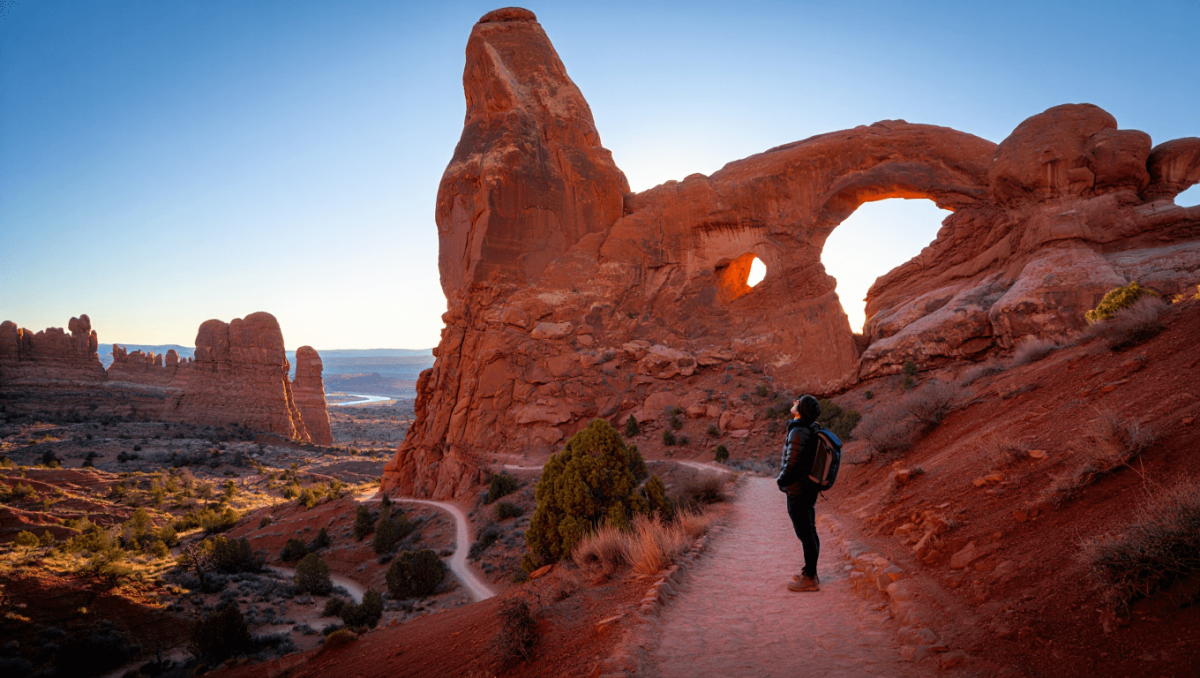
Arches showcases thousands of natural stone arches, spires, and fins. The setting feels otherworldly and is ideal for photographers and hikers seeking dramatic, easily accessed rock features.
What Makes Arches Stand Out
- Landmarks are sculpted arches, not towering canyon walls.
- Park layout spreads visitors across wide, open spaces.
- Best explored by car with short walks to many viewpoints.
- Hikes are generally moderate rather than grueling.
- Entry fee: $30 per vehicle; an annual park pass can be the better deal.
Must-see Spots and Practical Tips
- Delicate Arch: The classic Utah postcard shot at sunset.
- Balanced Rock and rock fins: Great for short stops and photos.
- Newspaper Rock: Ancient petroglyphs that tell a long human story.
- Bring water, sun protection, and sturdy shoes for uneven sandstone.
Canyonlands National Park: Vast Vistas and Solitude
Canyonlands rewards visitors with expansive overlooks and a feeling of real remoteness. This park is less crowded than Arches and ideal for folks seeking quiet panoramic views rather than narrow slot canyon hikes.
Why Canyonlands Feels Different
- Open panoramas dominate over enclosed canyon trails.
- Roads lead to dramatic overlooks with minimal traffic jams.
- It feels untouched, with fewer fellow visitors per mile.
- Entry fee: Same $30 vehicle charge; annual passes apply here too.
Top Areas to Explore
- Island in the Sky: High plateaus and breathtaking overlooks.
- The Needles: Colorful spires and longer backcountry routes.
- Plan for longer drives between viewpoints and limited services.
Moab Town: A Friendly Base for Adventure
Moab is small, welcoming, and surprisingly lively. It blends outdoor gear shops, local brews, and casual restaurants into a convenient hub for park visitors. The town feels unpretentious and tuned to adventurers.
- Dining & nightlife: Local breweries and relaxed eateries offer good food and a welcoming vibe.
- Where to sleep: Options range from budget motels to upscale glamping resorts.
- Booking advice: Reserve lodging early for spring weekends and popular holiday periods.
Getting There, Costs, and When to Visit
Moab is reachable by car from Salt Lake City and regional airports. Driving through red-rock country is half the fun, and most attractions require a vehicle to move between viewpoints.
- Park fees: $30 per vehicle; consider the $55 annual pass for multiple visits.
- Best season: Spring and fall offer mild temps and fewer extreme heat days.
- Packing tips: Layers for temperature swings, plenty of water, and good footwear.
How to Plan Your Moab Road Trip
Build an itinerary that balances must-see viewpoints with downtime in town. Early mornings and late afternoons bring the best light for photos and cooler trail conditions. Expect to trade crowded shuttle waits for more driving and flexibility.
- Map out key stops each day to limit backtracking.
- Reserve campsites or glamping spots well in advance.
- Check pet regulations before bringing animals on any trail.
- Respect fragile landscapes and follow Leave No Trace principles.