Show summary Hide summary
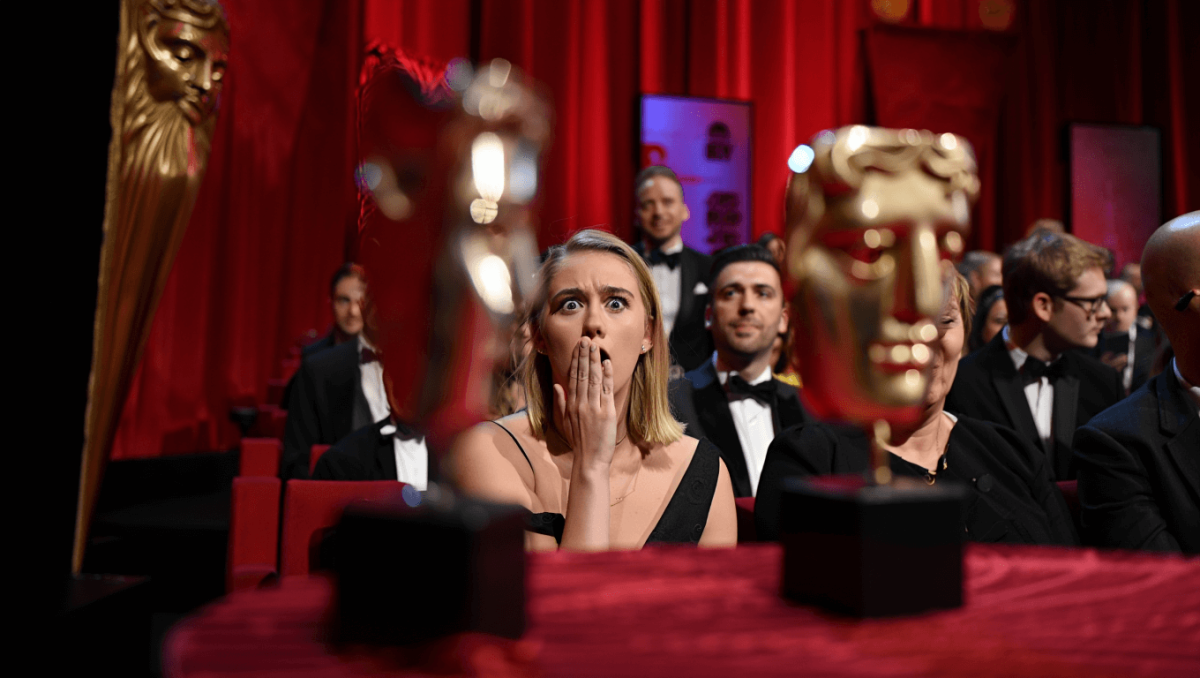
The British Academy has released a new letter as it tries to manage the fallout from a traumatic on-air incident at the BAFTA Film Awards. The message from Chair Sara Putt and CEO Jane Millichip promises a full review of policies and underscores the organization’s intent to learn from what happened.
BAFTA leaders respond: a promise of review and apology
In a letter shared publicly on Tuesday, BAFTA’s top executives addressed the hurt caused when a guest with Tourette Syndrome emitted a racial slur during the live ceremony.
Vacation spots worth every penny: 12 trips to splurge on now
Pumpkin spice at Starbucks: 6 easy ways to get more for your money
- The letter acknowledges the deep pain the word caused for many viewers.
- It reiterates an apology to those directly affected, including the presenters who were on stage.
- BAFTA says it is launching a comprehensive review of its policies and procedures.
Who signed the letter and what they emphasised
Chair Sara Putt and CEO Jane Millichip framed the statement as an update to members, not only the public. They stressed the academy’s responsibility for guest care and recognized the complex emotions the incident provoked.
What BAFTA said about the guest and the event setup
The guest involved is John Davidson MBE, a long-time Tourette Syndrome advocate and executive producer of the film “I Swear.” BAFTA explains his condition causes involuntary vocal tics that carry no intention or endorsement of the words uttered.
The academy says it made preparations to accommodate him. Staff informed the audience before the ceremony that they might hear strong, involuntary language or noises during the event.
Details about the moment on stage
- Early in the broadcast, Davidson experienced loud involuntary tics.
- One of those tics included a profoundly offensive racial term.
- Actors Michael B. Jordan and Delroy Lindo were presenting at the time.
BAFTA says it has offered an unreserved apology to both Jordan and Lindo and commended their dignity during the incident.
Apologies from multiple parties and immediate reactions
Before the letter, shorter apologies were already issued by BAFTA and by Davidson himself. The BBC also apologized for broadcasting the term during the live telecast.
Many viewers and industry figures have criticized the decision to let the slur air and the initial communications after the event.
Why the response has drawn scrutiny
- Civil rights advocates say airing the word caused avoidable harm.
- Disability groups note the involuntary nature of Tourette tics and raise questions about inclusion practices.
- Some critics argue BAFTA should have contacted the presenters more promptly after the incident.
Actions BAFTA says it will take next
BAFTA pledges to examine its processes and to improve how it balances accessibility with sensitivity. The letter lists ongoing contact with film studios and reassures members that changes are forthcoming.
- Comprehensive review of policies and broadcast procedures.
- Consultations with stakeholders and affected parties.
- Improved guidance on live event management and duty of care.
How BAFTA invites engagement from members
The letter notes the academy understands questions will follow and offers a direct channel for contact.
Members seeking more information were asked to email membership@bafta.org.
Context: disability, live TV, and racial trauma
Industry observers say the episode highlights a difficult overlap of two serious issues.
- Live broadcasts can amplify unexpected moments.
- Tourette Syndrome can produce involuntary and distressing vocalizations.
- Racial slurs cause lasting harm that extends beyond intent.
BAFTA’s letter tries to address all of these threads while pledging to keep inclusion central to its work.
Where things stand now
BAFTA has thanked Davidson, Jordan and Lindo for their conduct and said discussions with studios are ongoing.
The organization says it will learn from the episode and make changes where needed.
If you want to reach BAFTA about this matter, email membership@bafta.org.