Show summary Hide summary
- What the airline announced and which markets are affected
- Why WestJet is scaling back: travel demand and economics
- How travelers are affected and what to do next
- Response from airports and local economies
- Industry backdrop: broader trends in U.S.-Canada travel
- Alternatives and tips for affected flyers
- Operational timeline and next steps from WestJet
- What industry watchers expect going forward
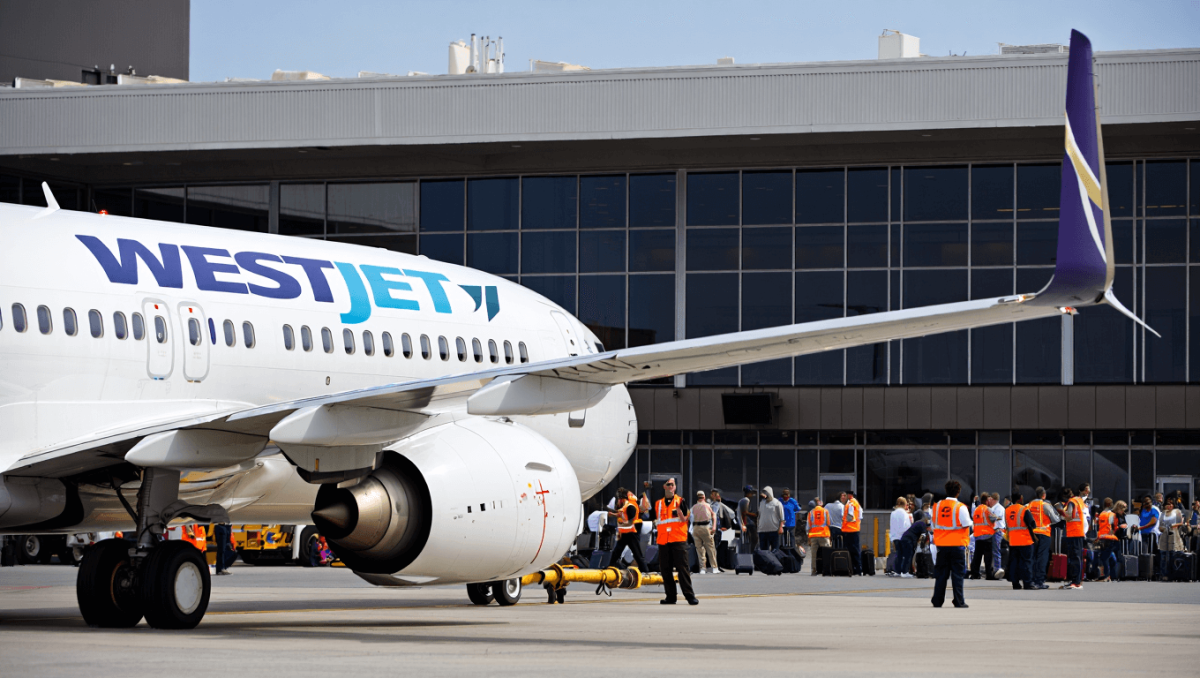
WestJet is trimming its U.S. network as demand softens, removing service to Raleigh-Durham and suspending 15 other American routes. The carrier says shifting travel patterns and lower load factors drove the move, leaving passengers and regional airports to quickly adapt.
What the airline announced and which markets are affected
On a company briefing, WestJet confirmed it will cancel service to Raleigh-Durham International Airport (RDU) and cut a total of 16 U.S. routes. The changes include year-round and seasonal flights.
United Polaris Studio suites: tickets now on sale for April inaugural flights
Auston Matthews-Radko Gudas controversy: Pierre LeBrun predicts fallout
- Some routes will be suspended immediately.
- Others will end at the close of the current scheduling season.
- The carrier expects to redeploy aircraft to higher-demand markets and domestic Canadian routes.
Why WestJet is scaling back: travel demand and economics
Executives cited a sustained slide in cross-border leisure travel and weaker corporate demand. Airlines must match capacity to demand to protect yields.
Key financial pressures
- Lower load factors on transborder flights.
- Rising operational costs for routes that do not reach profitability.
- Need to optimize fleet use to sustain margins.
How travelers are affected and what to do next
Passengers booked on canceled flights will receive notices by email. WestJet is offering rebookings, refunds, or travel credits.
- Check your reservation for updated flight status.
- Contact WestJet for rebooking or refunds.
- Consider connecting flights via Canadian hubs or other U.S. carriers.
Response from airports and local economies
Airport officials in affected cities said they are assessing the economic impact. Loss of direct air links can hit business travel, tourism, and local connectivity.
Short-term implications
- Fewer nonstop options for travelers.
- Potential revenue dips for airport concessions and ground services.
- Urgent meetings between airports and airlines to explore alternatives.
Industry backdrop: broader trends in U.S.-Canada travel
Cross-border demand has been uneven amid changing business travel patterns. Several carriers have shifted capacity in response to seasonal and structural changes.
- Leisure travel spikes still vary by market.
- Corporate travel recovery remains patchy.
- Airlines continue to balance frequency with profitability.
Alternatives and tips for affected flyers
Travelers can use a few practical options while WestJet adjusts its network.
- Accept a rebook on another WestJet flight if available.
- Request a full refund if the new itinerary is inconvenient.
- Compare fares on other carriers for direct or one-stop service.
- Consider flexible tickets or travel credits if offered.
Operational timeline and next steps from WestJet
WestJet outlined a phased approach to the cuts. Some services stop immediately while others wind down over weeks.
- Immediate suspensions take effect this week.
- Seasonal operations will end at the season close.
- Further adjustments may follow depending on demand trends.
What industry watchers expect going forward
Analysts say more adjustments could come if cross-border bookings do not recover. Airlines often reallocate aircraft to more profitable routes.
- Expect sharper focus on yield management.
- Smaller markets may see service trimmed or shifted to code-share partners.
- Route networks will remain fluid into the next scheduling cycle.