Show summary Hide summary
- Scope of the upgrade at Miami International Airport
- Why Miami matters to American Airlines and travelers
- Passenger experience: smoother connections and modern amenities
- Operational changes behind the scenes
- Timeline, financing, and approvals
- Route network and capacity implications
- Local economic effects and community response
- Environmental and regulatory considerations
- What travelers should expect during construction
American Airlines is moving forward with plans to transform its Miami hub into a modern, more efficient gateway for travelers. The carrier says the project will streamline operations and improve passenger services as demand rebounds. The proposal aims to reshape terminals, gates, and support facilities at Miami International Airport, a crucial link for domestic and international flights.
Scope of the upgrade at Miami International Airport
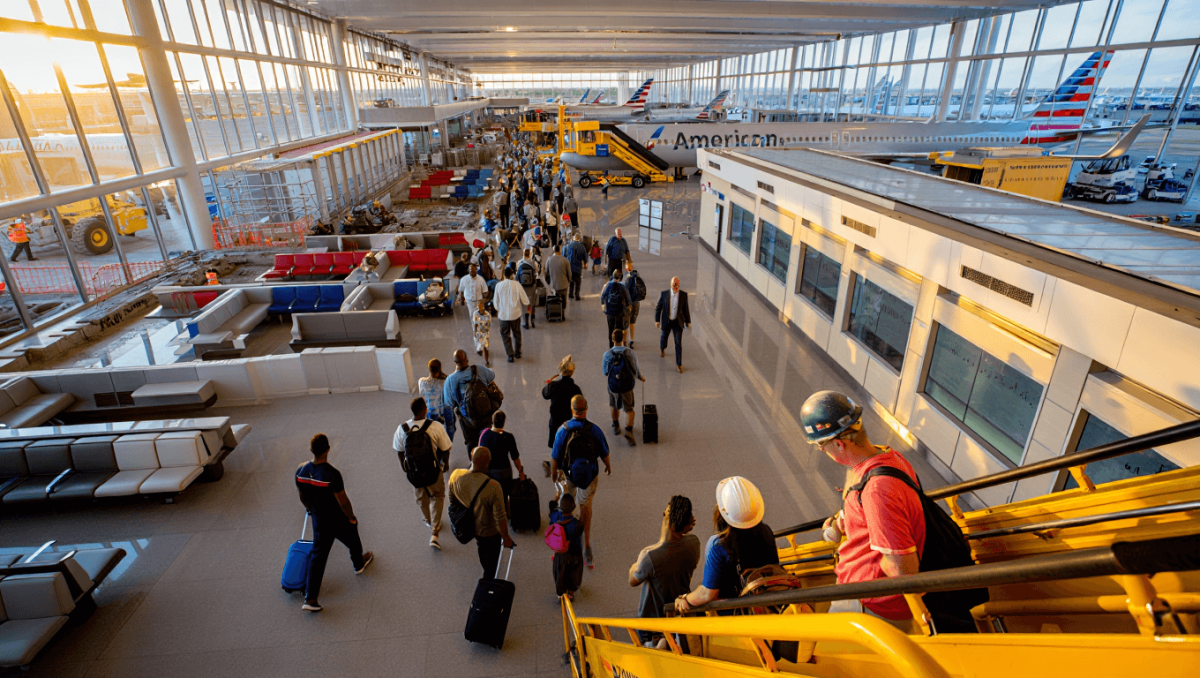
American Airlines envisions an overhaul that touches multiple parts of its Miami operation. The work targets terminals, gate layouts, passenger flow, and behind-the-scenes infrastructure. The airline frames the effort as both a capacity and customer-experience upgrade.
United Polaris Studio suites: tickets now on sale for April inaugural flights
Auston Matthews-Radko Gudas controversy: Pierre LeBrun predicts fallout
- Terminal renovation: Modernize public areas and boarding corridors.
- Gate reconfiguration: Add or reassign gates to reduce aircraft bottlenecks.
- Support facilities: Expand maintenance and baggage handling zones.
- Technology: Integrate automated systems for check-in and security processing.
Why Miami matters to American Airlines and travelers
Miami is a strategic hub for American Airlines. It connects the U.S. with Latin America and the Caribbean. The airport also handles high volumes of domestic traffic. Upgrading the hub could improve on-time performance and increase route flexibility.
Key strategic advantages
- Geographic gateway to Latin America.
- High passenger volumes year-round.
- Opportunities to grow international and domestic schedules.
Passenger experience: smoother connections and modern amenities
Passengers can expect faster connections and fewer delays if the plan unfolds as described. Lounges, retail, and dining areas are likely candidates for upgrades. The airline highlights comfort and convenience as priorities.
- Streamlined transfer corridors to cut walking time.
- Improved seating and charging stations in gate areas.
- Enhanced wayfinding and signage to reduce confusion.
- Expanded premium services for frequent flyers.
Better passenger flow and clearer signage could shorten connection times.
Operational changes behind the scenes
Operational improvements are central to the proposal. The focus includes baggage systems, aircraft servicing, and maintenance yards. Upgrades in these areas can reduce turnaround times and free up capacity.
- Modernized baggage handling to reduce mishandled luggage.
- New or upgraded maintenance bays for faster inspections.
- Optimized gate scheduling to limit delays.
Timeline, financing, and approvals
The project will require coordination with airport authorities and local government. Major upgrades often follow multi-phase schedules. Financing can include airline investment, airport bonds, and partner contributions.
Typical milestones to watch
- Concept and design approval by airport stakeholders.
- Permits and environmental review.
- Phased construction to keep operations running.
- Final commissioning of systems and public openings.
Expect disruptions to be managed in phases to minimize passenger impact.
Route network and capacity implications
Changes at the hub may influence flight schedules and route choices. Additional gates and quicker turnarounds can allow more flights to be scheduled. That would benefit travelers seeking direct connections across the Americas.
- Potential increase in frequencies on popular routes.
- Room to add new destinations in Latin America and the Caribbean.
- Improved reliability for time-sensitive connections.
Local economic effects and community response
Large airport projects typically create jobs and spur local investment. Construction work and later airline staffing can boost the economy. Nearby businesses may also see increased foot traffic.
- Short-term construction employment.
- Long-term jobs in airport operations and services.
- Opportunities for local vendors and concessions.
Community groups and officials will likely weigh in on traffic, noise, and environmental impacts.
Environmental and regulatory considerations
Upgrades at major hubs require environmental reviews and compliance with federal rules. The plan may include measures to reduce emissions and improve energy efficiency. Airlines increasingly factor sustainability into capital projects.
- Potential investments in energy-efficient systems.
- Noise mitigation steps for surrounding neighborhoods.
- Coordination with federal and local regulators.
Sustainability plans could help win approval from local stakeholders.
What travelers should expect during construction
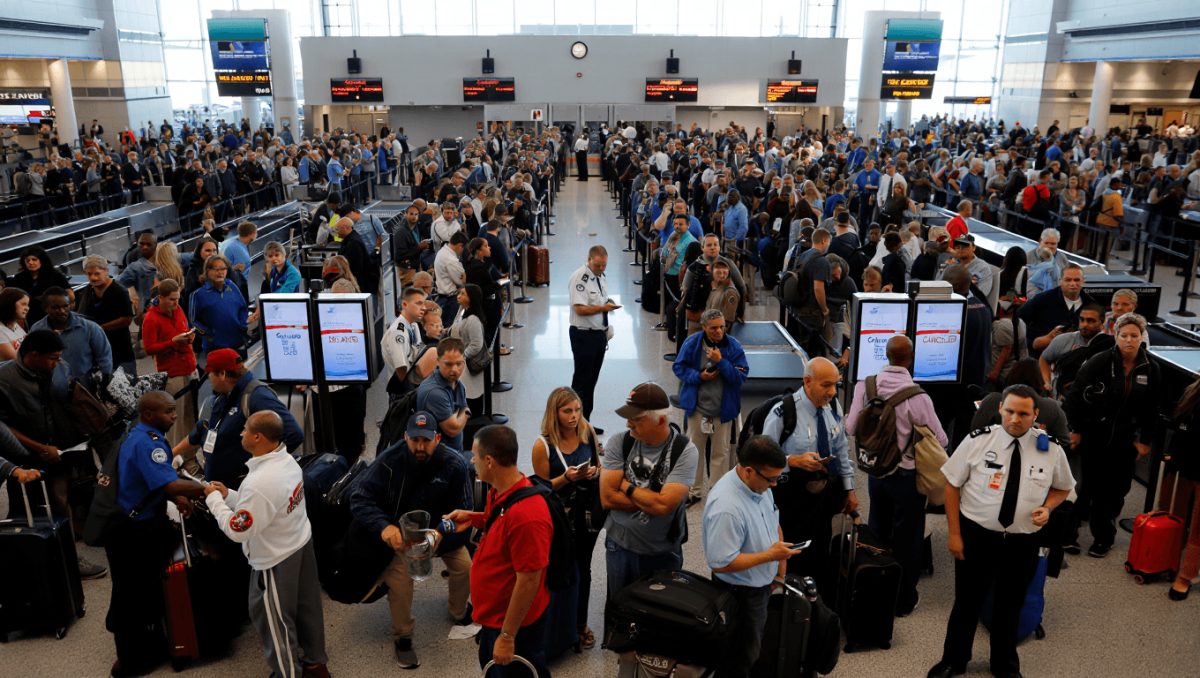
Passengers may see temporary gate changes and altered walking routes. The airline and airport typically publish schedules and maps to guide travelers. Real-time updates will be essential during peak travel periods.
- Advance notices about gate and terminal changes.
- Signage and staff to assist with reroutes.
- Possible short-term reductions in retail or lounge access.
Staying informed will reduce surprises for frequent fliers.