Show summary Hide summary
- Why the policy change is happening now
- What Southwest is refining about boarding order
- New guidance for overhead bin use
- Customer responses and social media fallout
- What passengers should do now
- How this compares to other airlines
- Operational steps Southwest is likely to test
- What employees say about enforcement challenges
- How regulators and industry observers are watching
Southwest Airlines says it is tweaking its boarding and overhead bin policies after a wave of customer complaints and viral gate-room videos. The carrier promises clearer rules and new staff guidance to ease tensions at crowded boarding lines.
Why the policy change is happening now
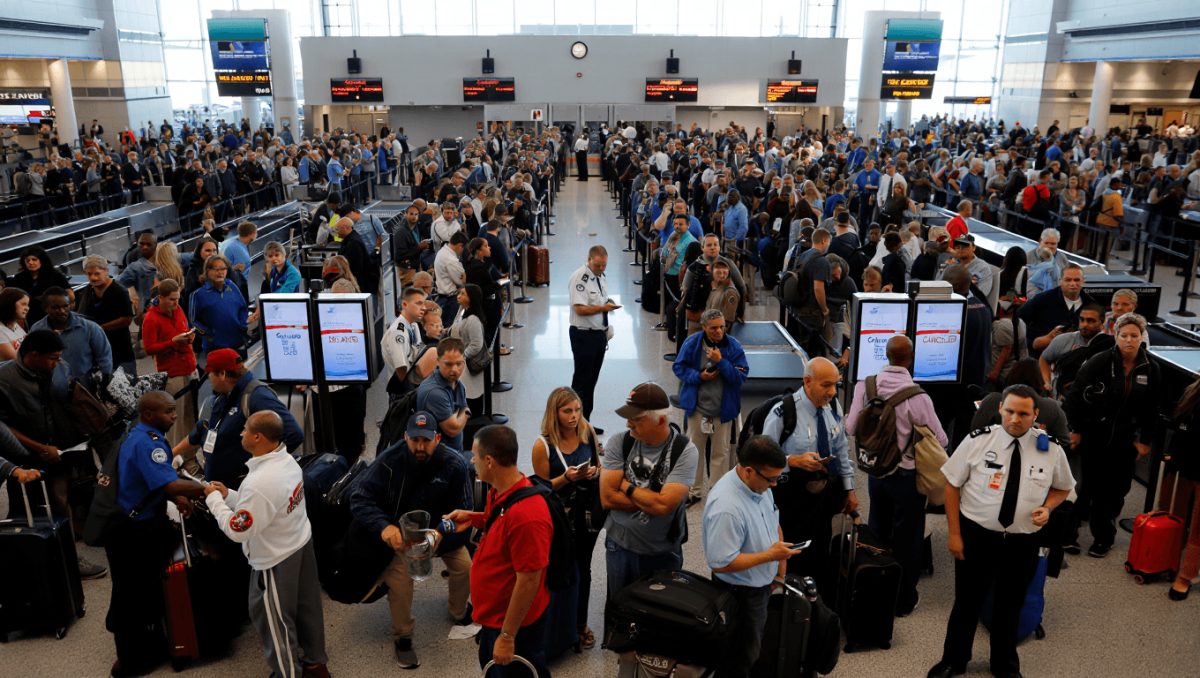
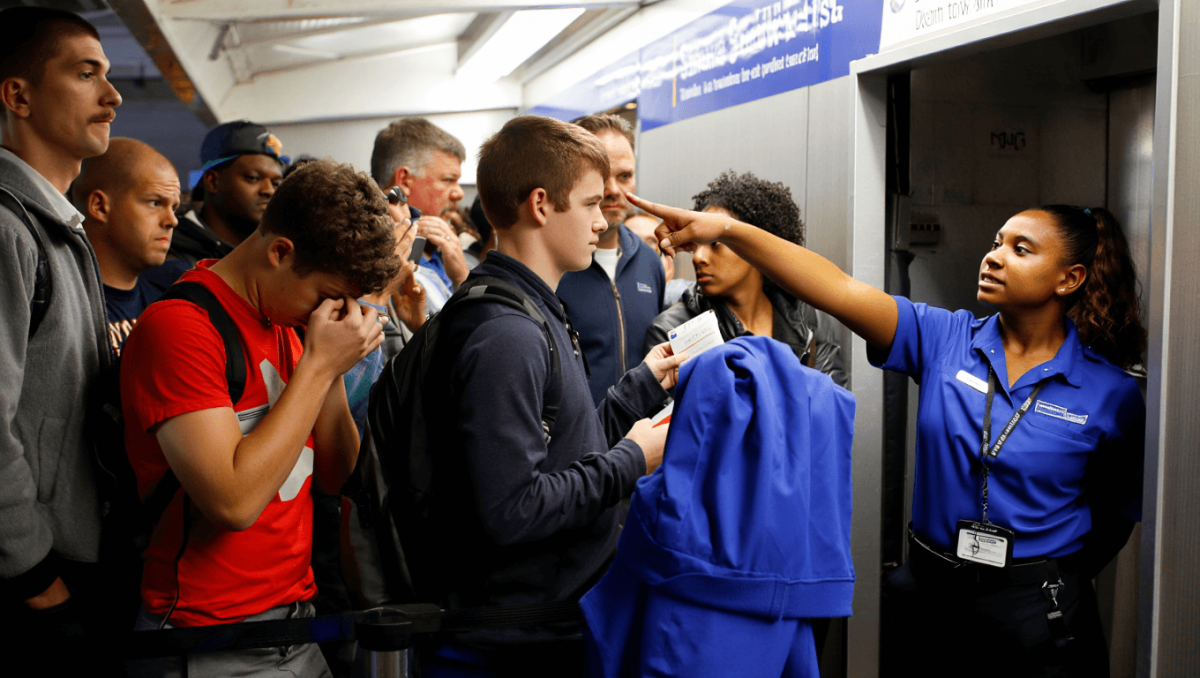
In recent weeks, incidents at boarding lines drew wide attention online. Passengers posted clips of disputes over overhead space and arguments at gates. That publicity pushed Southwest to review how it enforces its existing rules.
Arkansas’ Darius Acuff Jr. earns rare Kyrie Irving comp from Bill Simmons
Sean Penn awarded Oscar forged from war-damaged Ukrainian train: he skipped the ceremony
- Visible confrontations at gates sparked customer frustration.
- Employees reported confusion about discretionary enforcement.
- Public pressure raised questions about fairness and consistency.
What Southwest is refining about boarding order
The carrier is keeping its unique open-seating model but adjusting how people are admitted to the aircraft. The aim is to reduce crowding in the jet bridge and speed boarding.
- Staff will get updated scripts to explain boarding zones clearly.
- Gate agents may enforce spacing to prevent crowding near the door.
- Southwest will test small operational tweaks at select airports first.
How gate enforcement will change
Gate agents will receive new guidance to make decisions faster and more consistent. That should limit on-the-spot disputes and keep lines moving.
New guidance for overhead bin use
Southwest says overhead bin rules will be clarified. The focus is on maximizing space and preventing last-minute scrambles to find room for bags.
- Employees will be trained to direct passengers where to place carry-ons.
- Passengers may be asked to gate-check larger items earlier.
- The airline will remind travelers of size and quantity limits.
Goal: cut down on mid-boarding bin hunts that slow down departures.
Customer responses and social media fallout
Many travelers applauded the carrier’s intention to clarify rules. Others remain skeptical until changes are visible at airports.
- Frequent flyers want clearer signage and consistent enforcement.
- Some customers seek stricter penalties for rule-breakers.
- Others emphasize better staff training and conflict de-escalation.
What passengers should do now
To avoid hassles, travelers can take simple steps when flying Southwest.
- Arrive early to secure a favorable boarding position.
- Check carry-on size and pack strategically.
- Label baggage and be prepared to gate-check if asked.
- Stay calm during boarding and follow gate-agent directions.
Tip: Place smaller bags under the seat when possible to free overhead space.
How this compares to other airlines
Southwest’s open-seating approach is different from assigned seats used by many carriers. That difference shapes how overhead rules affect the boarding experience.
- Assigned-seat airlines stagger boarding differently.
- Some carriers limit carry-ons by weight or size more strictly.
- Southwest’s model provides flexibility but can cause gate congestion.
Operational steps Southwest is likely to test
- Additional staffing at busy gates during peak times.
- Pre-boarding announcements focused on bin etiquette.
- Trial of visual cues at jetways to reduce crowding.
Executives say these moves will be evaluated with passenger feedback and data on boarding times.
What employees say about enforcement challenges
Frontline staff have described the difficulty of balancing passenger service with rule enforcement. Clearer policies aim to give them stronger backing when they act.
- Agents want consistent corporate guidance to reduce escalation.
- Training on conflict resolution is expected to increase.
- Staff hope changes will cut down the number of heated incidents.
How regulators and industry observers are watching
Consumer advocates and aviation analysts will monitor whether the changes reduce complaints. Regulators may step in if safety or consumer-rights issues persist.
- Watch for updates from aviation authorities if disputes continue.
- Industry groups often compare data on boarding efficiency.
- Public sentiment can influence whether measures become permanent.