Show summary Hide summary
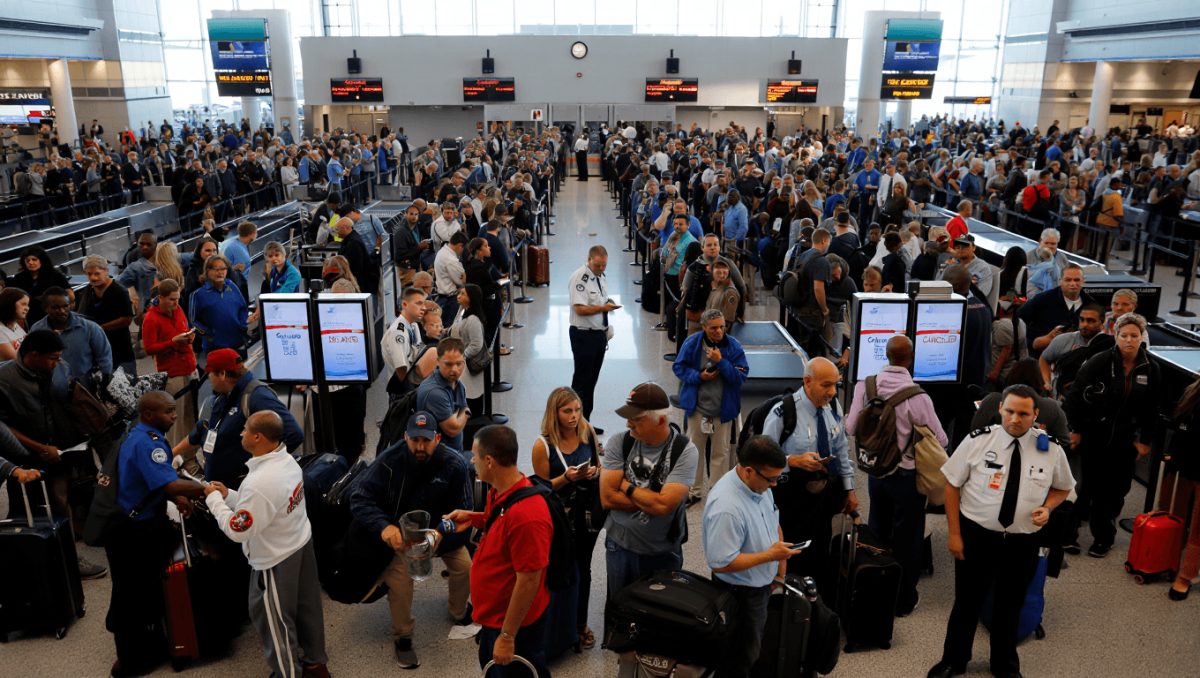
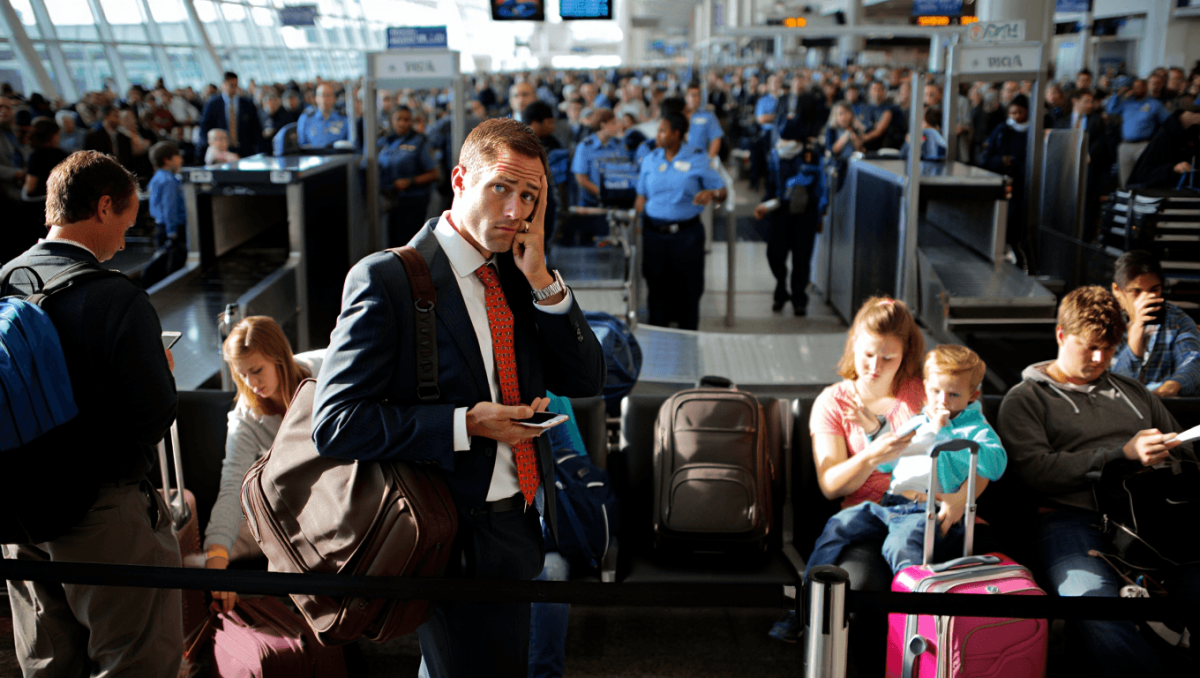
On Monday, travelers at major U.S. airports faced unusually long security lines as the partial federal government shutdown continued. Reports from passengers and airport staff described some checkpoints stretching to three hours, leaving many to miss flights and scramble to find alternatives.
Why TSA lines ballooned during the partial government shutdown
The partial shutdown has cut into federal operations and put pressure on agencies that rely on year-round funding. TSA staffing and scheduling have been strained as the agency adapts to limited resources and shifting priorities. That strain has translated into slower lanes and fewer open checkpoints at busy times.
United Polaris Studio suites: tickets now on sale for April inaugural flights
Auston Matthews-Radko Gudas controversy: Pierre LeBrun predicts fallout
Operational factors behind the delays
- Increased absenteeism and calling in sick
- Limits on overtime and hiring pauses
- Reallocation of personnel to high-security flights
- Longer processing times for enhanced screening
Where travelers felt the impact most
Long waits were reported at several large hubs and some regional airports. Peaks occurred during morning and afternoon rushes. Business and leisure travelers alike described crowded terminals and tense lines.
- Morning departures faced the longest delays.
- Smaller airports saw sporadic problems when backup staff were unavailable.
- Passengers traveling with checked baggage reported more stress.
How TSA and airlines responded to mounting delays
TSA managers adjusted checkpoint openings and shuffled supervisors to frontline screening. Airlines issued advisories urging passengers to arrive earlier and worked to rebook missed connections.
- TSA raised staff from administrative pools to assist at checkpoints.
- Some carriers added extra customer-service agents in terminals.
- Airlines waived change fees for travelers affected by security delays.
Practical steps travelers can take to avoid long waits
Passengers can reduce their risk of missing flights by preparing early and choosing faster screening options. Below are tactics that help in overwhelmed terminals.
- Arrive earlier: Plan at least two hours for domestic flights and three for international.
- Enroll in TSA PreCheck or CLEAR: These programs cut screening time for eligible travelers.
- Pack smart: Keep liquids and electronics accessible to speed processing.
- Monitor airport alerts: Check airline and airport notices for real-time updates.
- Have backup plans: Consider later flights or alternate airports if possible.
What the ongoing shutdown means for travel plans and policy
The partial shutdown extends uncertainty for passengers and airport operators. Delays tied to staffing and funding could persist until a funding resolution is reached. Lawmakers and agency leaders face pressure to restore full operations to reduce strain across the aviation system.
Watch points for travelers
- Statements from TSA about staffing changes or lane reopenings.
- Airline notices on waived fees and rebooking policies.
- Local airport advisories for peak-hour congestion.