Show summary Hide summary
- Why TSA checkpoints can bog down on busy weekends
- Airports and times to watch: where delays typically spike
- How to check current TSA wait times before you leave
- TPG-approved packing habits to speed through security
- Day-of strategies to minimize time spent at checkpoints
- What to do if you hit a long line
- Airlines and TSA: communication and expectations
- Tips for travelers with special needs or tight connections
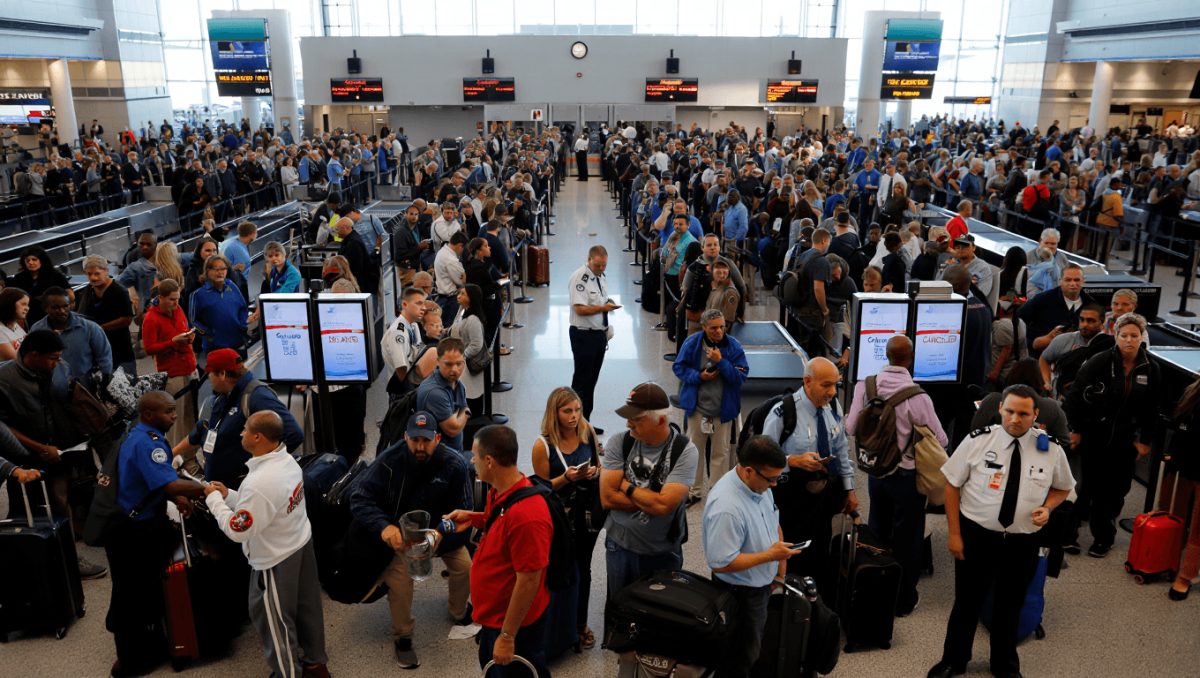
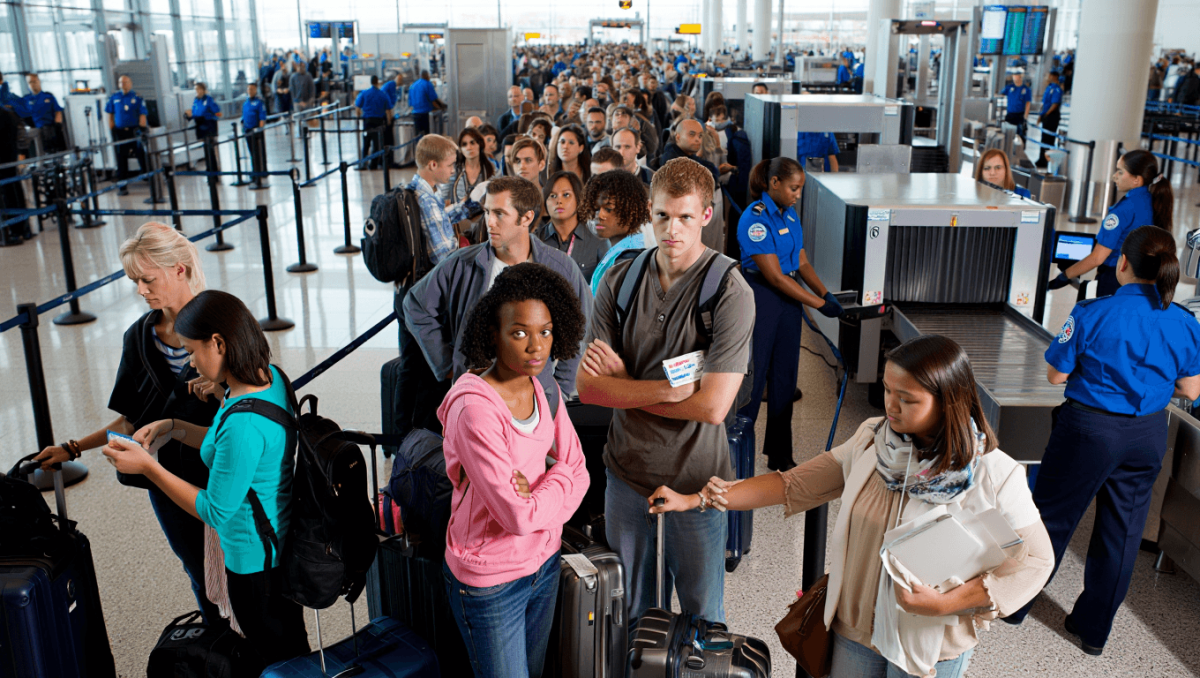
Travelers should brace for slow security lines this weekend as airport screening points may face heavier-than-usual traffic and staffing pressures. Whether you’re on a quick business trip or heading off for a long-awaited vacation, knowing where delays can appear and how to move through checkpoints faster can save time and stress.
Why TSA checkpoints can bog down on busy weekends
Several factors often combine to lengthen wait times at security. High passenger volumes, staff shortages, and enhanced screening rules are the most common drivers.
Nickelodeon star arrested after alleged Malibu burglary
Euphoria season 3: Sydney Sweeney left off set as feud with Zendaya intensifies
- Peak travel days and holiday windows boost passenger counts.
- Operational gaps or last-minute callouts reduce available screeners.
- Stricter inspection of electronics or carry-ons slows each screening.
- Weather disruptions or delayed flights can cause waves of passengers at once.
Airports and times to watch: where delays typically spike
Major hubs and popular leisure airports see the biggest surges. Early mornings and late afternoons tend to be busiest.
- Large international hubs often have longer baseline waits.
- Connections and arriving peak flights create intermittent spikes.
- Smaller airports can also jam after canceled outbound service reroutes travelers.
Hours with the highest screening pressure
- 05:30–09:00 for early departures.
- 15:00–19:00 when afternoon flights concentrate.
- Weekends and holiday eves see sustained higher loads.
How to check current TSA wait times before you leave
Simple steps can help you anticipate screening delays so you can plan smarter.
- Use the official TSA app for real-time wait estimates.
- Check airport websites and Twitter feeds for updates.
- Flight-tracking apps sometimes display security line status.
- Call your airport’s information line if the online data is unclear.
TPG-approved packing habits to speed through security
Small changes to how you pack make screening smoother and faster.
- Consolidate liquids into a single quart-sized bag and place it where you can access it quickly.
- Keep laptops and tablets near the top of your carry-on for easy removal.
- Wear shoes that slip on and off without a fuss.
- Avoid excess jewelry and metal belts that trigger scanners.
Smart carry-on organization
- Charge devices before arrival to avoid power checks.
- Label fragile items and pack them centrally to prevent re-shuffling.
- Keep boarding pass and ID in an outer pocket for quick presentation.
Day-of strategies to minimize time spent at checkpoints
Adopting a few habits the morning you travel reduces bottlenecks.
- Arrive earlier than usual if wait times look long.
- Consider earlier or later flights to avoid peak windows.
- Use dedicated lines if eligible: TSA PreCheck or CLEAR.
- Buddy up: one person can manage shoes while another readies travel docs.
How to use expedited programs effectively
- Enroll in TSA PreCheck to skip full laptop and shoe removal.
- CLEAR speeds identity verification and often shortens queue time.
- Combine programs when possible to get the biggest benefit.
What to do if you hit a long line
Delays happen. These steps help you stay calmer and recover lost time.
- Contact your airline if you risk missing a flight; agents can advise rebooking or priority help.
- Ask an airport agent about alternative checkpoints or shorter lanes.
- Keep essentials accessible in case you need to move between lines.
- Document extended waits if you need to file a later complaint.
Airlines and TSA: communication and expectations
Both airlines and the Transportation Security Administration post updates when conditions change.
- Airlines may delay boarding calls during heavy screening times.
- TSA issues advisories if screening procedures change.
- Follow official channels for the most reliable, up-to-date guidance.
Tips for travelers with special needs or tight connections
Plan ahead and notify your airline if you need assistance or have little time between flights.
- Request early boarding or meet-and-assist services at booking.
- Inform gate agents if a tight connection is threatened.
- Keep medical documents or notes handy to expedite screenings when required.