Show summary Hide summary
- Why airfares are rising now and what drives the change
- How rising fares affect spring flight bookings
- What higher prices mean for summer vacations
- Timing your purchase: when to buy spring and summer flights
- Smart booking strategies to beat rising fares
- When to lock in fares and when to wait
- Fee trends and airport experience this season
- Advanced moves for budget-conscious travelers
- How corporate and group bookings are changing
- What to watch in airline announcements and promotions
- Practical checklist before you click “buy”
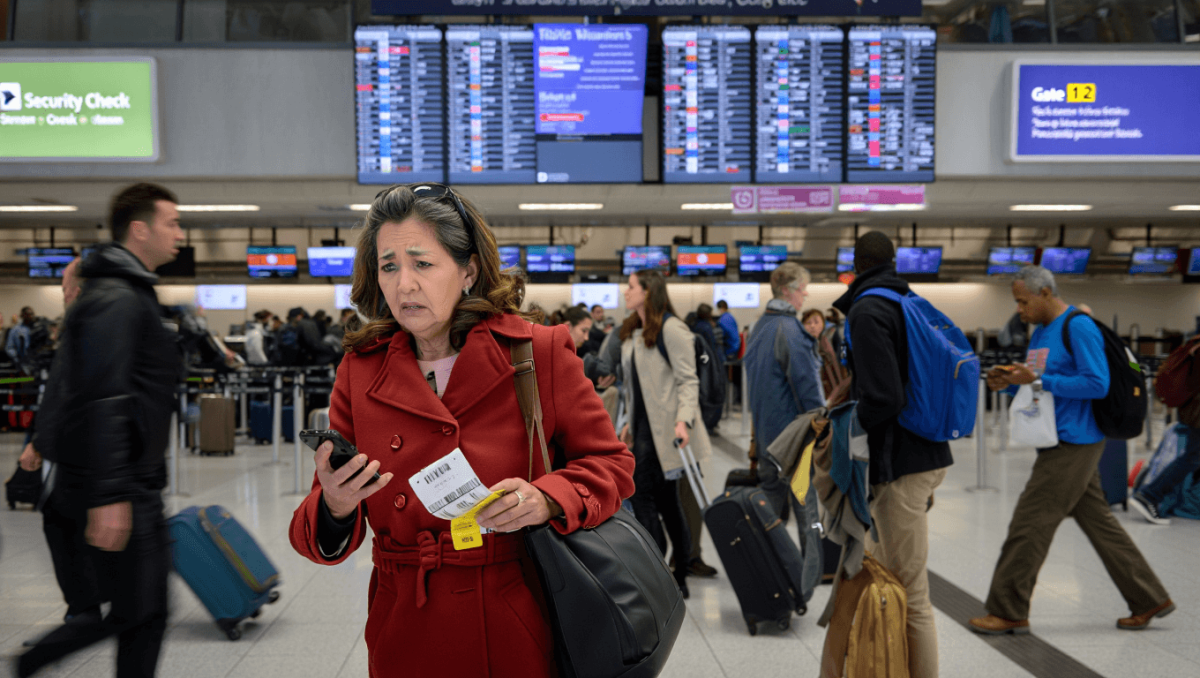
Airfares are climbing just as many travelers aim to book spring and summer trips, and the change is already shaping plans. Carriers point to higher demand, constrained schedules, and lingering pandemic-era route shifts. For anyone weighing when to buy, how to save, or whether to change destinations, the next moves matter more than usual.
Why airfares are rising now and what drives the change
Several forces are pushing ticket prices up. Airlines are juggling fleet availability, fuel costs, and staffing. At the same time, traveler demand has rebounded faster than some carriers expected.
Nickelodeon star arrested after alleged Malibu burglary
Euphoria season 3: Sydney Sweeney left off set as feud with Zendaya intensifies
- Higher demand: Leisure travel surges as restrictions ease worldwide.
- Limited supply: Fewer seats on key routes after pandemic cuts.
- Costs up: Fuel, maintenance, and wages increase operating expenses.
- Route reshuffles: Airlines focus on profitable routes, reducing options elsewhere.
How rising fares affect spring flight bookings
Spring tends to be a transitional booking window. Many families and short-trip travelers buy tickets now for April and May travel. As seats fill, prices rise.
- Short-notice bookings for peak spring dates have a premium.
- Midweek flights often remain cheaper than weekend departures.
- Smaller airports may offer savings if you can add a drive.
What higher prices mean for summer vacations
Summer remains the busiest travel season. When carriers see early booking patterns, they adjust fares to capture revenue.
- Peak-week spikes: Memorial Day, July, and August weeks typically cost more.
- Flexible dates win: Shifting travel by a day or two can cut costs.
- Advance bookings: Early purchases lock in seats but don’t always guarantee the lowest fare.
Timing your purchase: when to buy spring and summer flights
There is no perfect rule, but patterns help. For many domestic routes, the sweet spot is weeks to a few months ahead.
- Book domestic flights between 3 and 8 weeks out for lower odds of big increases.
- For popular summer routes, consider buying 2–4 months ahead.
- International travel often benefits from longer lead times, 3–6 months or more.
Tools and tactics to monitor fares
- Use price alerts from multiple search engines to catch drops.
- Check airline newsletters for flash sales and promo codes.
- Compare round-trip versus one-way fares; mix-and-match may save money.
Smart booking strategies to beat rising fares
There are practical steps travelers can take to limit the pain of higher prices. Combine flexibility with targeted searches.
- Be flexible on dates and airports. Savings often come from small shifts.
- Travel midweek. Tuesday and Wednesday flights are often cheaper.
- Consider nearby hubs. Alternate airports sometimes offer lower fares and more options.
- Use rewards and points. Loyalty programs offset higher cash prices.
- Buy basic economy carefully. Fees for bags and changes can erase upfront savings.
When to lock in fares and when to wait
Deciding whether to buy now or hold out requires weighing price risk against flexibility.
- Lock in nonrefundable fares if plans are fixed and prices climb.
- Buy refundable or changeable tickets if plans might shift.
- Monitor fare trends for 48–72 hours before purchase to spot quick moves.
Fee trends and airport experience this season
Higher ticket prices are only part of the overall cost. Ancillary fees and airport conditions affect the total travel budget.
- Baggage and seat fees: Check allowances and add-ons before booking.
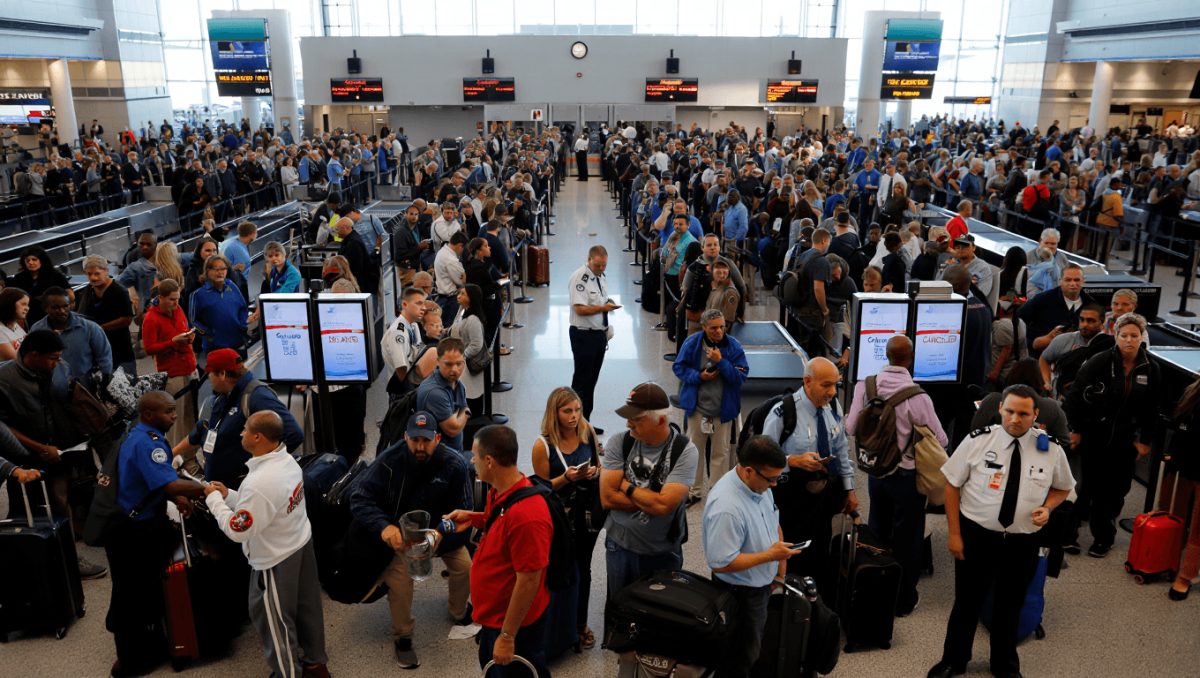
- Airport congestion: Expect busier terminals on peak travel days.
- Security wait times: Arrive earlier at major hubs to avoid delays.
Advanced moves for budget-conscious travelers
Seasoned travelers can use more advanced techniques to limit fare impact.
- Book multi-city itineraries if they reduce cost compared with direct round trips.
- Mix travel classes: a premium outbound and basic return can balance comfort and cost.
- Use travel credit cards with fee waivers and insurance protections.
- Consider refundable fare protection and price-match guarantees.
How corporate and group bookings are changing
Business travel and group reservations shape inventory and pricing. Corporates often secure blocks that tighten supply for leisure flyers.
- Companies booking larger blocks can push up availability on busy routes.
- Negotiated corporate discounts are less visible to leisure travelers.
- Group bookings may lock prices early, affecting later seat supply.
What to watch in airline announcements and promotions
Regular monitoring of airline communications helps spot special offers. Airlines balance higher base fares with limited-time sales.
- Follow carriers on social media for flash deals.
- Sign up for fare alert tools and airline mailing lists.
- Be ready to act quickly when a genuine sale appears.
Practical checklist before you click “buy”
- Confirm the total price, including taxes and baggage.
- Check change and cancellation policies.
- Compare the cost of travel insurance for peace of mind.
- Use a rewards card or points to reduce the net cost.
- Review alternate travel dates and airports to ensure you found the best option.