Show summary Hide summary
- 19 new travel alerts: what travelers need to know right now
- Middle East extraction operations and evacuation flights
- Key regional rules, travel bans and legal risks
- Border and advisory upgrades across the region
- Global protest wave: major demonstration warnings and safety scores
- Practical steps to protect yourself while traveling
- Where to follow live updates and embassy guidance
A sudden surge of official travel warnings has reshaped the rules for anyone abroad or planning to fly. In the past 24 hours, the U.S. State Department released 19 new travel alerts that range from active evacuations in the Middle East to mass protest warnings in Europe, Australia, and beyond. Read on for a clear, actionable guide to the risks and how to respond now.
19 new travel alerts: what travelers need to know right now
Authorities issued a broad set of advisories that affect multiple regions simultaneously. These notices are active and can change hourly. If you have plans, expect disruptions to flights, borders, and local services.
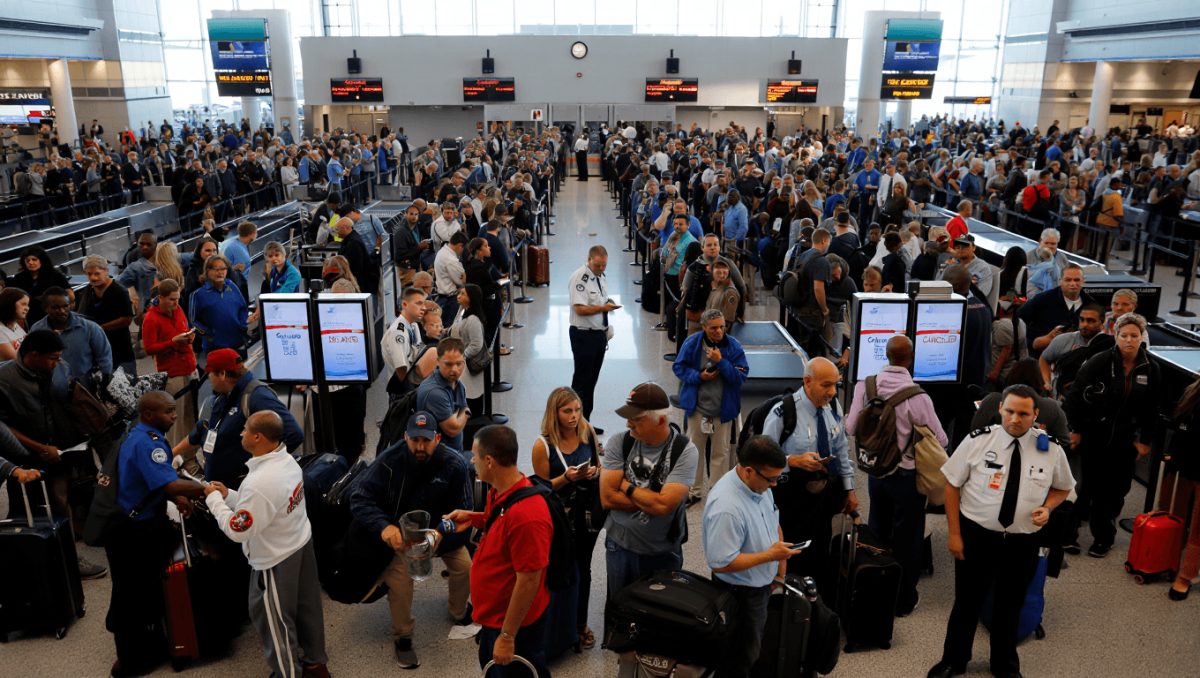
TSA shutdown: expect 3-hour security lines and airport closures
AI success for brands and retailers: why deliberate moves trump speed
- Scope: 19 distinct alerts covering conflict zones, civil unrest, and safety downgrades.
- Why it matters: Embassies are running extraction ops, commercial flights are paused in places, and local restrictions can be enforced without notice.
- Immediate action: Check your embassy’s alerts and update your travel status with consular services.
Middle East extraction operations and evacuation flights
The crisis in the Middle East has moved into an active extraction phase. U.S. missions are coordinating limited assistance flights and setting out specific overland routes for citizens who need to leave.
Where flights are running
- Assistance flights are operating from Abu Dhabi and Dubai.
- Qatar Airways is operating but with restricted schedules.
- Embassy-run departures to Europe are active for eligible nationals.
Register immediately if you are in Israel or Qatar. Filling the government Crisis Intake Form is a required step for many evacuees.
The live Traveler Safety Index shows Israel at 28 and Qatar at 40, reflecting low traveler confidence and an elevated risk environment.
Key regional rules, travel bans and legal risks
Local rules differ dramatically from country to country. Some actions can carry criminal penalties or immediate detention.
- UAE: Do not record or photograph missile or drone incidents. This is illegal and can lead to jail.
- Saudi Arabia & Jordan: Embassies warn that hotels, malls, and similar gathering spots are potential targets. Avoid these locations when possible.
- Kuwait: Commercial flights have been suspended due to airspace threats. Overland evacuation to Saudi Arabia is the main option, but you must obtain an exit permit in the Sahel app.
- Iran: Travelers leaving by land to Armenia or Turkey face unannounced exit fees. Carry extra cash to avoid being turned back.
Border and advisory upgrades across the region
Officials have upgraded travel advisories for nearby countries as the situation spreads.
- Azerbaijan: Elevated to Level 3 — “Reconsider Travel” due to expanding conflict risks.
- Iraq: The International Zone is closed. Violent clashes are reported around the July 14th Bridge and Tahrir Square. Overland departures to Jordan or Turkey are advised.
- Oman & Bahrain: Bahrain has banned public gatherings. Oman restricts travel to Musandam and Masirah Island and forbids recreational boating beyond 25 km offshore.
Global protest wave: major demonstration warnings and safety scores
Protests related to the crisis are unfolding worldwide. Embassies from Sydney to Madrid urge travelers to steer clear of crowds.
- Spain: Large demonstrations planned for March 14 in Madrid, Barcelona and other cities. The Traveler Safety Index is currently 75.
- Australia: Protests near the U.S. Consulate in Sydney were reported on March 13. Avoid the area. Safety index: 85.
- Pakistan: Protests through March 15 may disrupt mobile and internet services and consular assistance.
- Indonesia: Demonstrations in Surabaya today from 12:00 to 18:00 near the Governor’s office. Avoid downtown.
- Nigeria: Quds Day marches are active nationwide. U.S. facilities face a heightened terror threat. Stay indoors and avoid American schools and embassies.
- Republic of the Congo: Political rallies ahead of the March 15 elections are generating heavy police and military presence. Carry your passport and visa at all times.
Practical steps to protect yourself while traveling
This situation evolves fast. Standard plans and ordinary insurance often will not cover forced evacuations or sudden border closures.
If you are abroad now
- Enroll in STEP or your government’s traveler registration service.
- Monitor your embassy’s alerts and the Traveler Dashboard daily.
- Keep physical copies of passports, visas, and emergency contacts.
- Hold extra cash in local and major currencies for exit fees or transport.
- Avoid hotels, malls, and known gathering places if authorities list them as targets.
- Do not photograph military, missile, or drone incidents in places with legal prohibitions.
If you are planning travel
- Delay nonessential trips to affected areas while alerts remain active.
- Confirm airline policies on rebooking and emergency evacuations.
- Check entry rules and required forms for countries you might transit.
- Subscribe to alerts from your embassy and the Traveler Dashboard before departure.
Where to follow live updates and embassy guidance
Use trusted sources for real-time changes. The Traveler Dashboard aggregates U.S. Embassy alerts, State Department advisories, and live safety scores by location. Refresh it before traveling to an airport or crossing a border.
- Consult your national embassy or consulate first.
- Follow official social feeds and register your travel plans.
- Rely on multiple sources: airline notices, local authorities, and international advisories.