Show summary Hide summary
- Why a federal shutdown puts TSA screening at risk
- Airports and airlines preparing for added pressure
- How passengers are likely to be affected
- Practical steps travelers should take now
- Payroll, unions, and TSA workforce concerns
- How long delays and disruptions could last
- Tips for business travelers and airport-dependent companies
- Where to get reliable, real-time information
- What travelers should watch for next
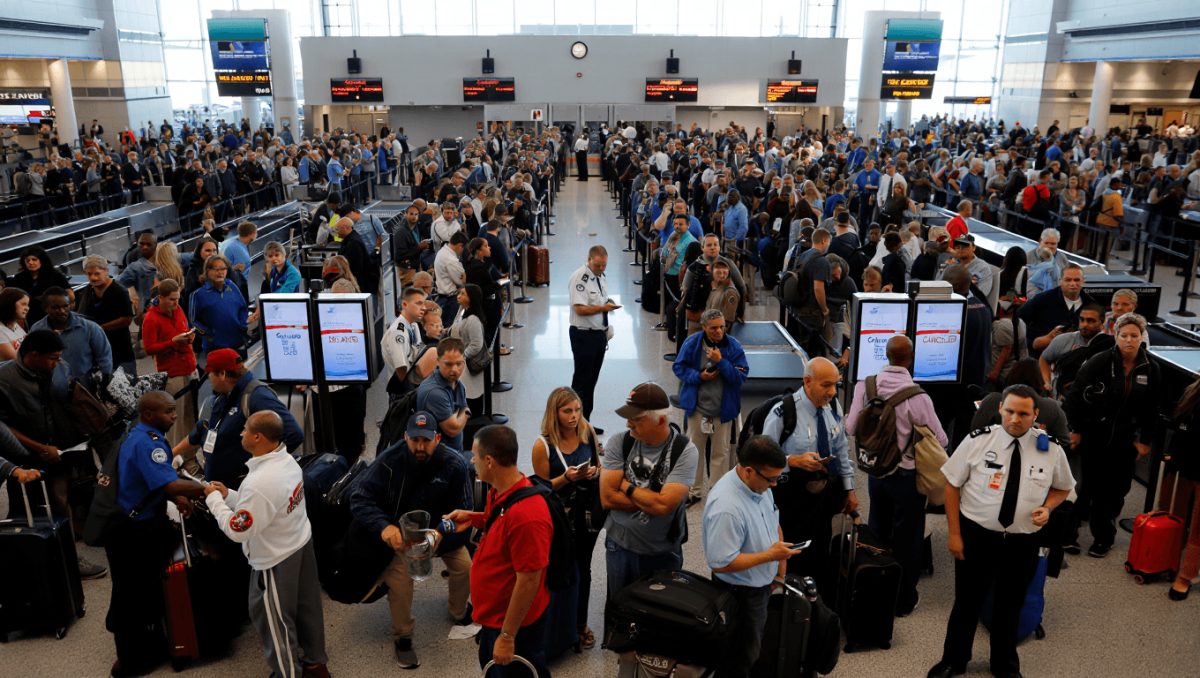
Travelers are bracing for longer lines and uncertainty as a federal funding gap threatens airport operations. As federal agencies adjust, Transportation Security Administration checkpoints may see delays that ripple through airlines and terminals. Here’s what travelers, airport staff, and businesses need to know right now.
Why a federal shutdown puts TSA screening at risk
A lapse in congressional funding forces many federal operations to change how they run. The TSA is considered an essential agency. That means screeners will still be required to report to work. But staffing levels, overtime pay, and administrative support can be affected.
Euphoria season 3: Sydney Sweeney left off set as feud with Zendaya intensifies
Serena Williams GLP-1 ad sparks backlash: weight-loss commercial called irresponsible and dystopian
- Essential work continues: TSA agents generally keep screening passengers even without full funding.
- Administrative strain: Hiring, training, and some supervisory roles can slow or pause.
- Back-office impacts: Payroll processing and support functions may face delays or disruptions.
What that looks like at checkpoints
When staffing gets tight, airports can experience longer security lines. Checkpoints with smaller teams or high passenger volumes are most vulnerable. Agencies sometimes prioritize core screening activities over secondary tasks.
Airports and airlines preparing for added pressure
Airports and carriers typically activate contingency plans during funding disruptions. Their goal is to keep flights moving while ensuring safety and compliance.
- Airlines may adjust schedules to reduce peak congestion.
- Terminals might reconfigure lanes, open extra checkpoints, or extend staffing hours.
- Smaller regional airports could face more pronounced effects than large hubs.
Operational steps airports might take
- Redistributing staff across busy checkpoints.
- Temporarily closing low-traffic lanes to concentrate resources.
- Coordinating with airlines to manage passenger flow and gate operations.
How passengers are likely to be affected
Expect longer wait times, possible flight delays, and changing procedures at some airports. Travelers with tight connections should build extra time into itineraries.
- Security wait times: Peaks can stretch from minutes to hours at major airports.
- Flight disruptions: Delays can cascade if screening becomes a bottleneck.
- Customer service delays: Call centers and ticket counters may also respond more slowly.
Practical steps travelers should take now
Small planning changes can reduce stress and missed flights. Make these moves before heading to the airport.
- Arrive earlier: Add at least 60 minutes for domestic flights during busy periods.
- Enroll in trusted traveler programs: TSA PreCheck or CLEAR can cut time in line.
- Check flight status often: Use airline apps for real-time alerts.
- Pack smart: Follow carry-on rules to avoid secondary screenings.
- Have documentation ready: Keep ID and boarding passes easily accessible.
Payroll, unions, and TSA workforce concerns
Even though TSA agents may work during a shutdown, questions about pay and benefits arise quickly. Union groups and employee representatives often seek clarity on compensation and worker protections.
- In past funding lapses, federal workers continued to work before receiving back pay afterward.
- Union statements may urge lawmakers for quick action to restore funding.
- Employee morale and retention can be affected if uncertainty lingers.
How long delays and disruptions could last
The timeline depends on how quickly Congress and the White House resolve funding. Short funding gaps might mean a few busy days. Prolonged shutdowns increase the chance of sustained service problems.
- Short-term: localized delays and temporary staffing tweaks.
- Medium-term: reduced hiring and training slow down replacements.
- Long-term: operational fatigue and resource constraints could deepen delays.
Tips for business travelers and airport-dependent companies
Companies that rely on air travel should prepare contingency plans that protect schedules and client commitments.
- Build extra layover time into itineraries.
- Consider flexible ticketing and refundable options.
- Coordinate with gate agents and account managers before travel.
- Keep employees informed about expected airport conditions.
Where to get reliable, real-time information
Use official sources and airline channels to confirm current conditions. Social media can be useful, but verify against authoritative notices.
- Check the TSA website for updates on security operations.
- Monitor airline apps and airport advisories for gate and delay notices.
- Watch FAA notices for air-traffic and airspace advisories.
- Follow official airport social accounts for terminal-specific guidance.
What travelers should watch for next
Key signals include public statements from TSA leadership, union announcements, and airline advisories. These will indicate whether disruptions are easing or escalating.
- Official staffing and payroll updates from federal agencies.
- Airline change-fee waivers or schedule shifts.
- Local news on checkpoint wait times and airport operations.