Show summary Hide summary
- Why NIL deals have reshaped sports marketing
- Standout partnerships that illustrate the trend
- How brands are treating athletes as creators, not just endorsers
- Real-world activations and audience playbooks
- Risks, contingency planning and the need for speed
- Metrics that justify the investment
- How teams, brands and regulators are adapting
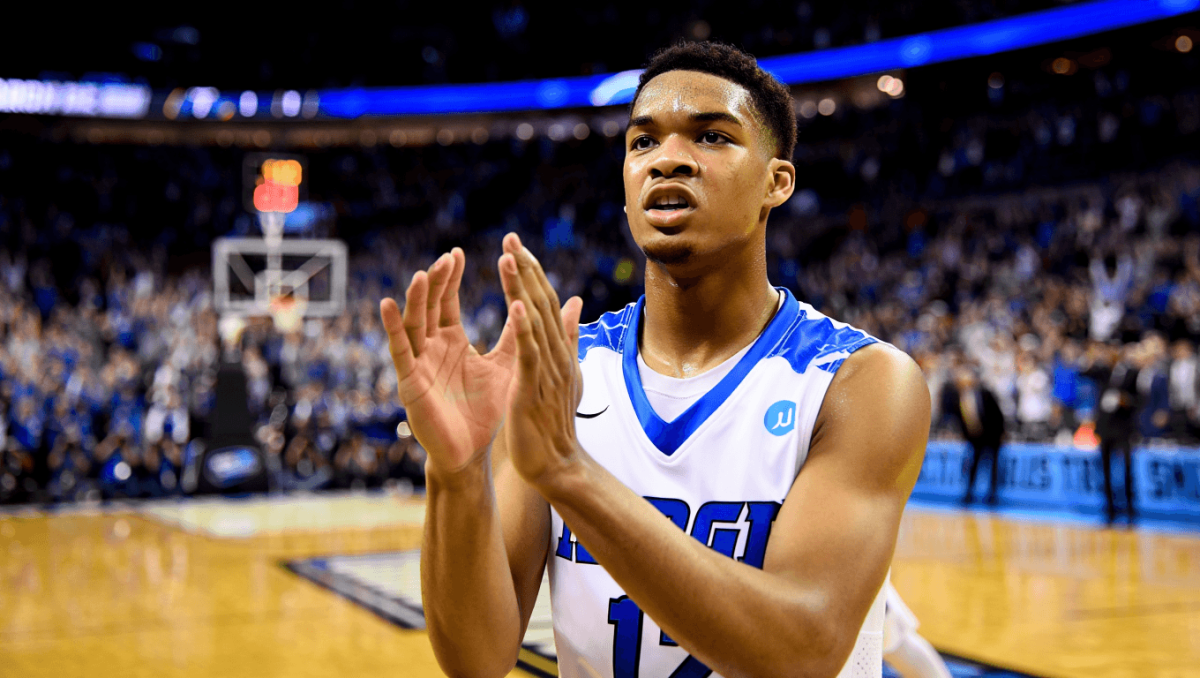
Brands are scrambling to harness the buzz of March Madness, turning college basketball stars into marketing partners as the tournament unfolds. From cosmetics and footwear to fast food, companies are striking Name, Image and Likeness deals to reach younger fans, amplify campaigns and react to breakout moments in real time.
Why NIL deals have reshaped sports marketing
Since major court rulings and rule changes, college athletes can now monetize their reputations. That shift unlocked a new marketing channel for advertisers.
Airport security: skip long lines at these 20 airports
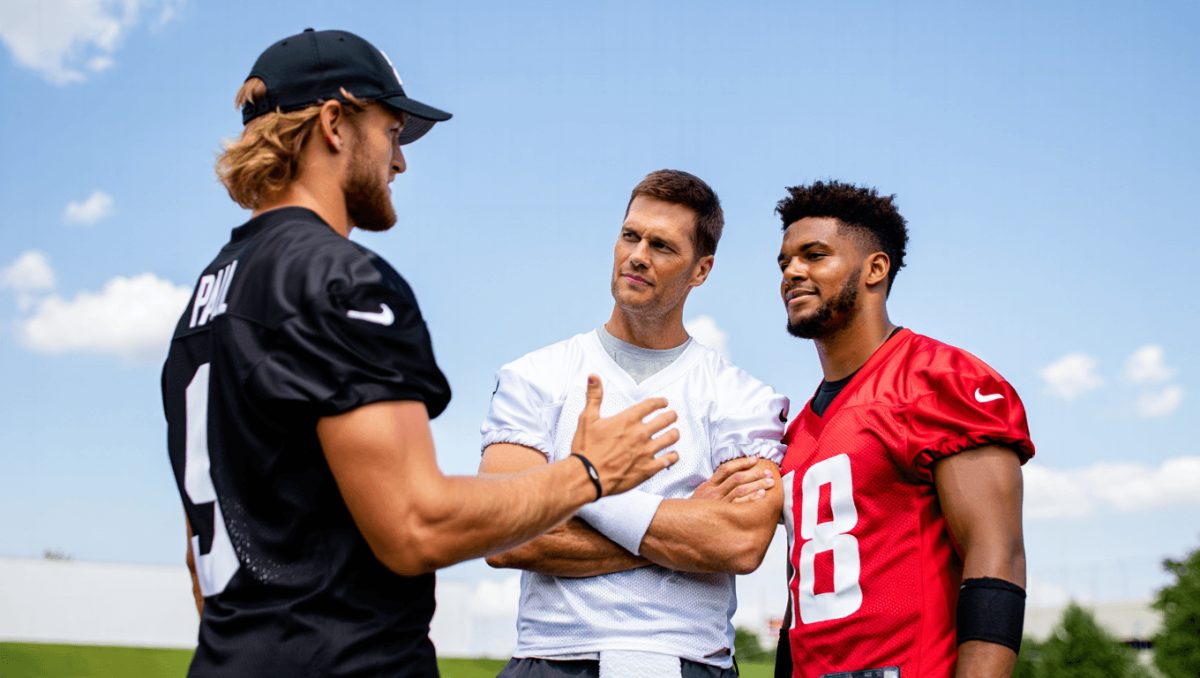
Logan Paul apologizes to Tom Brady and Jalen Hurts after heated Fanatics flag football clash
- Legal turning point: A key U.S. Supreme Court decision in 2021 cleared the way for athletes to profit without losing eligibility.
- Revenue sharing update: An antitrust settlement in 2025 allows schools to share up to $20.5 million with athletes for the 2025–26 year, with the cap rising annually.
- Lawmakers continue to debate the landscape. A proposed change known as the SCORE Act failed to pass the House, and public figures have pushed for new standards.
Standout partnerships that illustrate the trend
Major and niche brands alike are pairing with collegiate players to create authentic content and tap tournament viewers.
- Jordan Brand aligned with UConn guard Azzi Fudd for promotional efforts tied to performance and personality.
- NYX Professional Makeup signed UCLA center Lauren Betts and has built campaigns focused on self-expression.
- Freddy’s, the burger-and-custard chain, announced multi-athlete deals across several states to coincide with tournament play.
- Every Man Jack teamed with Michigan guard Elliot Cadeau to promote an affordable sports-focused personal care line at Target.
These collaborations vary from short social clips to in-person activations and product sampling at marquee events.
How brands are treating athletes as creators, not just endorsers
Marketing teams are moving past static endorsement posts. They now aim to showcase athletes’ voices and stories.
- Content types include candid interviews, behind-the-scenes “get-ready” moments, and community events.
- Brands are leaning into authentic storytelling to connect with Gen Z consumers.
- Food, beverage and quick-service restaurants are among the most active categories during March Madness.
Real-world activations and audience playbooks
Examples show how companies blend earned attention with measurable reach.
- Every Man Jack used social posts and a two-minute YouTube interview to spotlight Cadeau’s journey and resilience.
- The brand also partnered with sports publisher Barstool on digital ads and planned sample drops at the Final Four.
- NYX’s campaign with Betts features product demos and a post-draft community game where fans receive coaching and beauty picks.
Risks, contingency planning and the need for speed
Working with college athletes during a tournament carries unique volatility. Brands must plan for the unpredictable.
- Athlete injuries or early exits can derail campaign plans; last year a high-profile player suffered a season-ending ACL injury during the tournament.
- Marketers are building rapid-response teams and allocating budgets to activate within 24–48 hours for viral moments.
- Keeping a content library of ready-to-go assets helps brands pivot fast when a player breaks out or a team makes a Cinderella run.
Metrics that justify the investment
Brands pursue NIL deals for reach, engagement and cost efficiency compared with other big-sport sponsorships.
- March Madness still draws massive audiences, making it a high-impact platform for awareness.
- Targeted activations can drive conversions among Gen Z, a key demographic for many sponsors.
- One brand reported an 8% rise in awareness after a concerted tournament campaign, supporting the business case for NIL spending.
How teams, brands and regulators are adapting
The NIL marketplace continues to evolve as stakeholders balance athlete opportunity, school policy and commercial interests.
- Schools and brands are navigating new revenue-sharing rules while monitoring proposed federal changes.
- Agencies and teams now emphasize long-term storytelling over one-off product tags.
- Many marketers expect the coming years to further professionalize athlete collaborations and media activations around college sports.