Show summary Hide summary
The Trump administration announced a plan to deploy Immigration and Customs Enforcement agents to assist Transportation Security Administration staff at several airports starting Monday. The move has stirred questions about airport security, traveler experience, and the line between immigration enforcement and aviation screening.
What the deployment will look like at airports
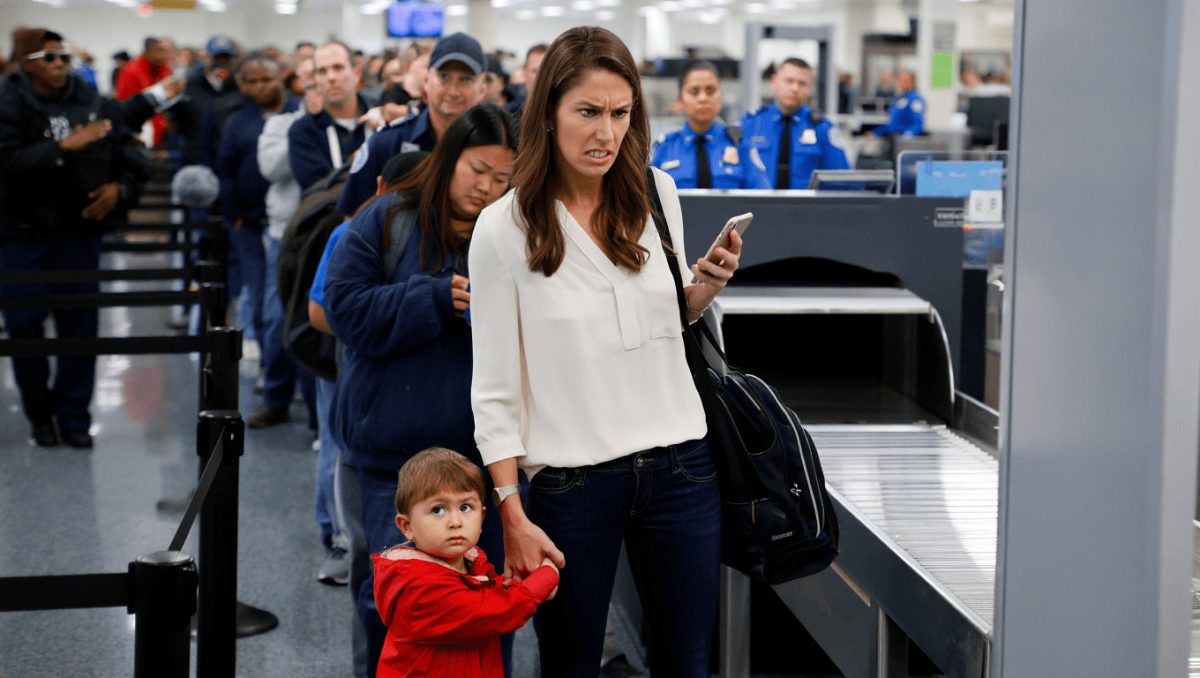
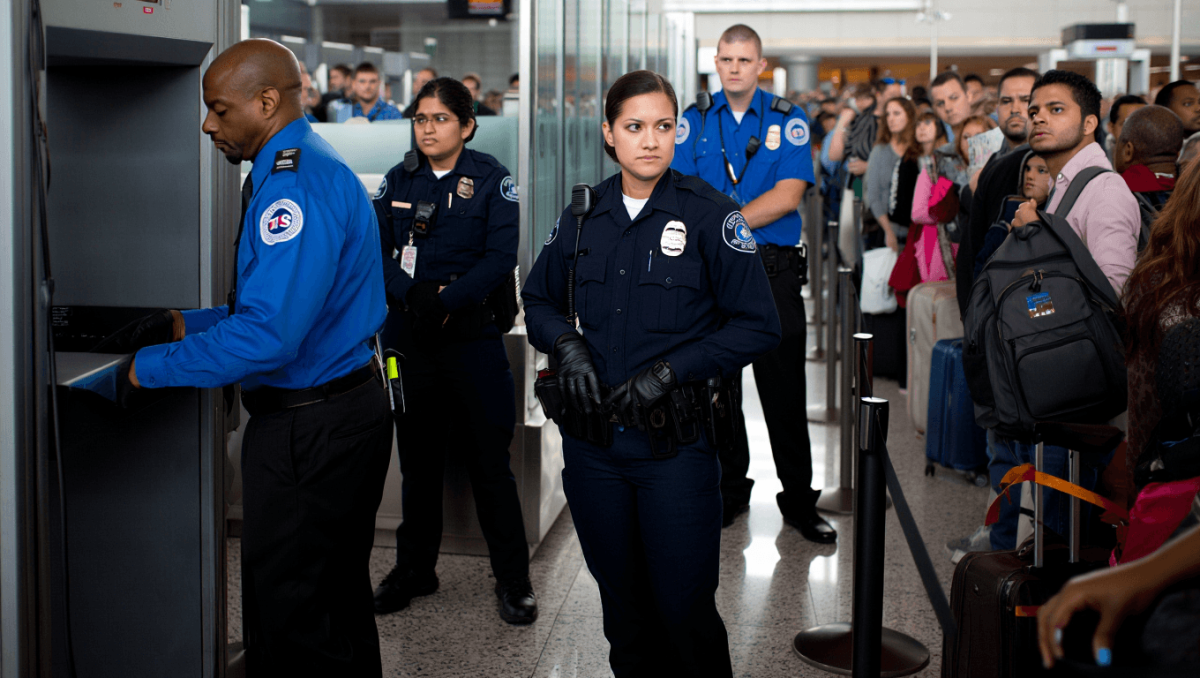
Officials say ICE officers will be present near TSA checkpoints and in terminal areas. The stated aim is to boost security and support screening operations, not to change standard travel procedures for passengers with valid documents.
Airport security: skip long lines at these 20 airports
Logan Paul apologizes to Tom Brady and Jalen Hurts after heated Fanatics flag football clash
- ICE agents will provide supplementary support to TSA staff.
- TSA will maintain responsibility for passenger screening and checkpoint operations.
- Details about numbers and airport locations were described as limited by officials.
Why the administration says the move is necessary
Administration spokespeople framed the deployment as a response to security concerns and staffing needs. They argue that additional personnel can help reduce bottlenecks and address emerging threats at busy airports.
Supporters call the measure pragmatic, saying it leverages federal resources to keep travel safe during high-demand periods.
Concerns from airlines, rights groups, and travelers
Civil liberties organizations warned the presence of immigration agents could intimidate passengers, especially those from immigrant communities. Airline industry groups expressed unease about potential disruptions.
- Advocacy groups say the move may deter lawful travelers from flying.
- Airlines worry about delays if additional checks are introduced.
- Some travelers reported feeling anxious about encountering immigration officers in terminals.
How airports and agencies are responding
Several airports issued statements emphasizing continued cooperation with federal partners. Local officials asked for clarity on operational roles to avoid confusion at checkpoints.
Coordination and communication steps
- Airports requested written protocols to define ICE responsibilities.
- TSA reiterated it remains the primary agency for security screenings.
- Some terminals planned signage and staff briefings to inform travelers.
Practical effects for passengers
Travelers can likely expect more uniform security processes, but some may face additional questions in specific situations. Passengers with proper identification should be able to proceed as usual.
- Keep travel documents handy to speed up any secondary checks.
- Allow extra time at the airport during the initial days of the deployment.
- Report any concerns about interactions with federal officers to airport customer service.
Legal and political implications
Lawyers say the deployment raises jurisdictional questions. ICE enforces immigration laws, while TSA regulates aviation safety, so overlapping duties can spark legal scrutiny.
- Court challenges could arise if passengers allege rights violations.
- Congressional lawmakers signaled interest in oversight and briefings.
- Political leaders reacted along partisan lines, framing the move as either necessary security or overreach.
What to watch in the coming days
Observers will track whether the presence of ICE agents affects wait times, traveler complaints, or legal actions. Media outlets plan to monitor airport experiences and official updates closely.
Key indicators to follow:
- Changes in checkpoint processing times.
- Public reports of interactions between passengers and ICE staff.
- Statements from DHS, TSA, and airport authorities clarifying roles.