Show summary Hide summary
- Why some airports beat long security lines
- 20 airports where security usually moves fast
- How travelers can shave minutes off security time
- What airport features most affect wait times
- How to check real-time security waits before you go
- Timing and ticketing: planning that pays off
- Technology that airports use to shorten lines
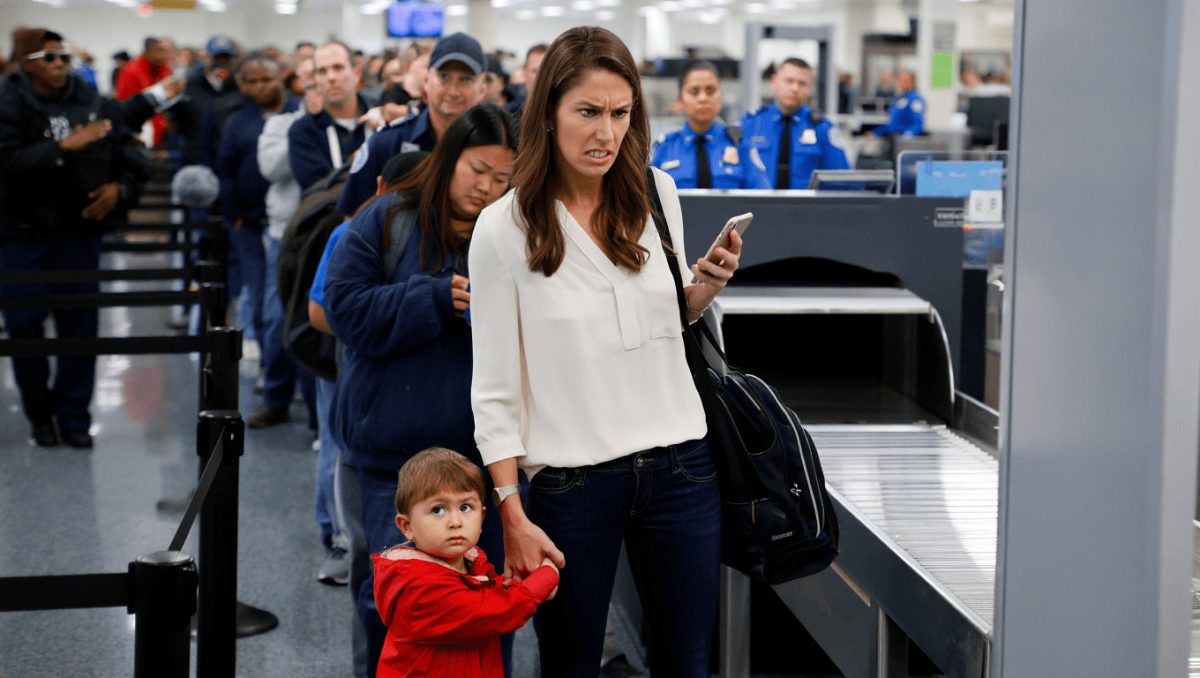
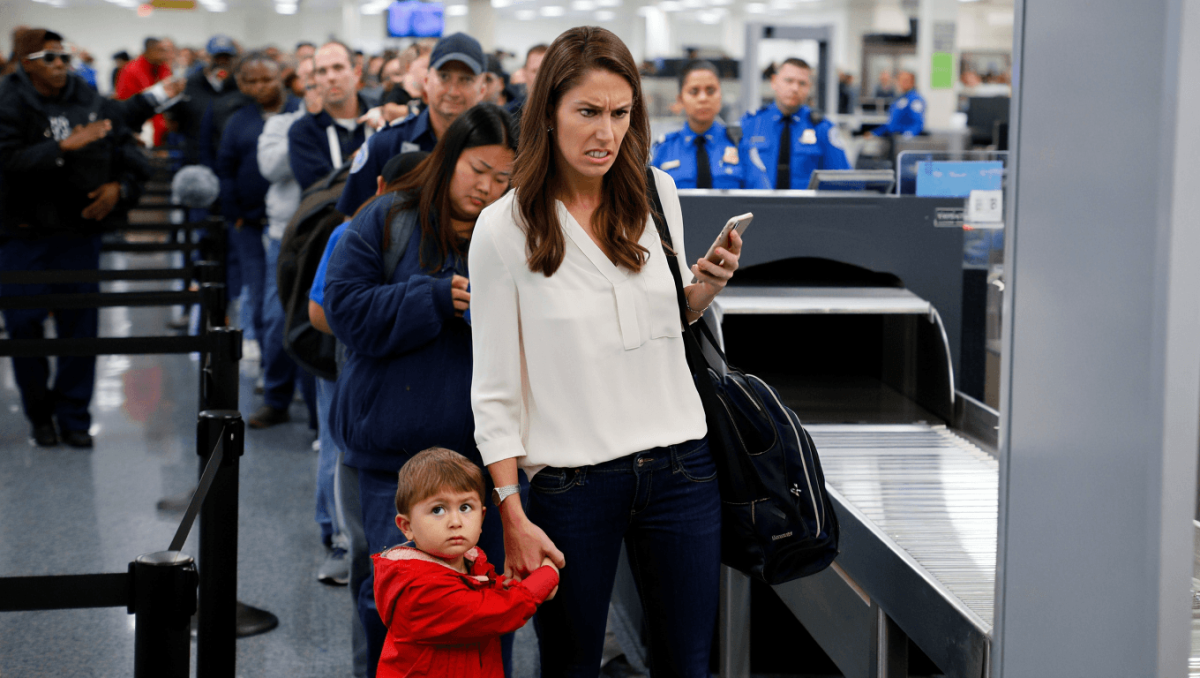
If long security lines make you rethink travel plans, there are airports that consistently move passengers quicker. This guide points to 20 airports known for streamlined checkpoints, explains what helps them stay fast, and gives simple tactics to skip the worst waits.
Why some airports beat long security lines
Airports with short security waits mix design, staffing, and technology. They also benefit from flight schedules that spread passenger flow. Smaller terminals, automated lanes, and robust staffing plans cut bottlenecks.
Airport security: skip long lines at these 20 airports
Logan Paul apologizes to Tom Brady and Jalen Hurts after heated Fanatics flag football clash
- Terminal layout that avoids choke points
- Automated screening lanes and modern scanners
- Use of expedited screening programs like TSA PreCheck and Clear
- Real-time queue management and flexible staffing
20 airports where security usually moves fast
Below is a selection of airports that travelers frequently report as quick through screening. Each entry notes what helps them stay efficient and offers a short tip to save time.
- Boise (BOI) — Compact terminal, often quick staffing swaps. Tip: Check early-morning flights for minimal queues.
- Des Moines (DSM) — Streamlined checkpoints and steady passenger volumes. Tip: Enroll in PreCheck when possible.
- Raleigh-Durham (RDU) — Multiple checkpoints ease flow at peak times. Tip: Use the less busy concourse if your airline operates there.
- Charleston (CHS) — Small footprint and efficient screeners. Tip: Arrive 90 minutes before domestic flights during summer.
- Savannah (SAV) — Seasonal traffic concentrated in specific hours. Tip: Fly midweek to avoid tourist surges.
- Omaha (OMA) — Predictable schedules make staffing effective. Tip: Look for early afternoon departures for shorter waits.
- Tulsa (TUL) — Low congestion and easy-to-navigate layout. Tip: Use curbside check-in when available.
- Bozeman (BZN) — High efficiency despite winter peaks. Tip: Allow extra time during holiday weekends.
- Spokane (GEG) — Simple terminal and regular staffing. Tip: Check the airport’s live wait-time feed before leaving home.
- Fort Wayne (FWA) — Limited gates reduce cross-traffic. Tip: Smaller airports often process carry-ons faster.
- Jackson Hole (JAC) — Compact processes tailored for tourists. Tip: Visit outside school holidays for the fastest passage.
- Huntsville (HSV) — Organized lanes and low peak pressure. Tip: Consider later morning flights for lower density.
- Lexington (LEX) — Short walking distances speed the journey. Tip: Have documents ready to present to agents.
- Knoxville (TYS) — Efficient check lanes and friendly staff. Tip: Keep electronics accessible to speed bin loading.
- Green Bay (GRB) — Small operations and quick response. Tip: Sign up for airline alerts to know gate changes early.
- Boise—again noted for reliability (BOI) — Rapid lanes often reopen after peaks. Tip: Watch for the re-open signs to jump shorter lines.
- Albuquerque (ABQ) — Modernized checkpoints and good staffing. Tip: Use kiosks for quick bag tags.
- Rochester (ROC) — Calm passenger flows outside holiday spikes. Tip: Travel mid-month for typically lower crowds.
- Springfield (SGF) — Manageable volumes and concise security areas. Tip: Pack liquids in a single, clear bag for faster screening.
- Boise is listed multiple times by frequent travelers — its consistency earns repeat mentions. Tip: Local travel blogs often report real-time waits.
How travelers can shave minutes off security time
Small habits add up. Use these practical steps to speed your screening.
- Enroll in expedited programs: TSA PreCheck and Clear cut time at many U.S. airports.
- Wear shoes that slip off easily.
- Keep electronics and liquids accessible in a single bin.
- Use mobile boarding passes to avoid ticket-counter lines.
- Fly during off-peak windows when possible.
What airport features most affect wait times
Certain investments and policies make the biggest difference.
- Automated screening lanes: They rise throughput significantly.
- Clear signage to guide passenger flow.
- Flexible staffing that matches flight peaks.
- Pre-screened passenger lanes for trusted travelers.
- Terminal design that reduces cross-traffic.
How to check real-time security waits before you go
Finding current wait times avoids surprises. Try these steps before leaving home.
- Visit the airport’s official website; many post live queues.
- Use airline apps or flight trackers with crowd indicators.
- Look for traveler posts on social media for immediate snapshots.
- Call the airport information line if you need confirmation.
Timing and ticketing: planning that pays off
Flight time and ticket class influence your security experience. Early or late flights often face fewer travelers. Also, premium cabins may have dedicated lanes.
- Choose non-peak flight windows when possible.
- Check whether your fare gives access to expedited lanes.
- Book through airlines that operate from less congested concourses.
Technology that airports use to shorten lines
From biometric boarding to automated trays, tech is changing screening. These tools help staff focus on exceptions, not routine checks.
- Biometric ID to speed identity verification.
- Automated trays and belt systems to move bins fast.
- AI-driven queue prediction to deploy staff proactively.