Show summary Hide summary
- Bedrooms and personal zones: where athletes rest
- Food and fueling: the heart of athlete nutrition
- Training, therapy, and medical facilities
- Community life: lounges, workspaces, and social areas
- Design and sustainability: green choices in the village
- Logistics, transport, and safety inside the village
- 26 visual moments that reveal village life
- What these images tell us about athlete care and experience
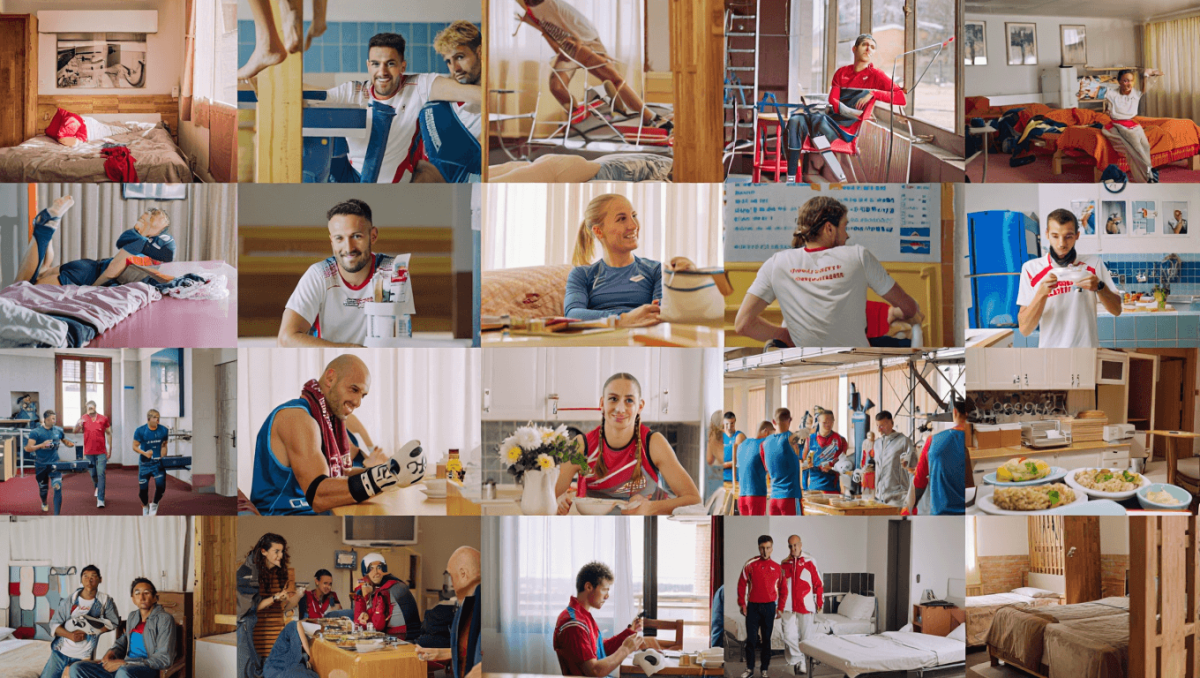
The Milan-Cortina 2026 Olympic Village opens a window into the daily lives of elite athletes. These behind-the-scenes images reveal bedrooms, dining halls, training hubs, and quiet corners where competitors rest and prepare. Photographs capture both the practical details and the small comforts designed for peak performance and recovery.
Bedrooms and personal zones: where athletes rest
Sleeping quarters are built for efficiency and privacy. Rooms vary in size and layout to host single athletes or entire teams.
Sophia Laforteza of Katseye announces hiatus: comes months after Manon Bannerman’s exit
Delta to return to Tokyo Narita hub in 2027: 7-year comeback
- Modular bunks with adjustable lighting and storage.
- Accessible rooms equipped for para-athletes.
- Soundproofing elements to help athletes sleep between events.
- Personal lockers and secure wardrobes for equipment.
Designers prioritized comfort and quiet. Natural materials and neutral colors help create a restful atmosphere. Windows frame city or mountain views, depending on the village block.
Food and fueling: the heart of athlete nutrition
Feeding elite competitors requires large-scale kitchens and tailored menus. The dining hubs are organized to serve many nationalities and dietary needs.
Meal stations and options
- Buffet lines offering hot and cold choices.
- Dedicated stations for vegan, halal, kosher, and allergy-friendly meals.
- Carb-loading areas and protein bars for pre-competition needs.
- Beverage zones with hydration and electrolyte options.
Nutrition support
Sports nutritionists work on-site. Athletes can consult with experts to adjust meals for weight classes and event schedules. Customized menus aim to balance taste with performance needs.
Training, therapy, and medical facilities
The village houses compact yet comprehensive setups for practice and recovery. Images show equipment and spaces designed to keep athletes in top form.
- Strength and conditioning gyms with free weights and machines.
- Physiotherapy rooms and treatment beds for injury care.
- Cryotherapy and compression therapy stations for recovery.
- Indoor warm-up spaces and sport-specific practice areas.
Medical teams coordinate closely with coaches. On-site labs and imaging facilities allow fast diagnostics. Rapid care reduces downtime and supports competition readiness.
Community life: lounges, workspaces, and social areas
Beyond training and eating, athletes need places to connect. The village includes communal zones for rest and interaction.
- Common lounges with entertainment and TV screens.
- Study and media rooms for press and social updates.
- Quiet zones for meditation and relaxation.
- Multipurpose halls for cultural events and team gatherings.
These spaces foster camaraderie. Photos show teams sharing meals, celebrating small victories, and exchanging tips.
Design and sustainability: green choices in the village
Environmental features are visible in both architecture and daily operations. The village emphasizes low-impact solutions.
- Solar panels and efficient heating systems.
- Modular construction for reuse after the Games.
- Water-saving fixtures and greywater systems.
- Compost and recycling stations in dining areas.
Sustainable design reduces the village’s footprint and sets a standard for future events.
Logistics, transport, and safety inside the village
Running the village is a complex logistical task. Photos capture shuttles, security posts, and coordination centers.
- Regular shuttle routes to competition venues.
- Accreditation checkpoints for controlled access.
- Emergency response teams and on-site ambulances.
- Wayfinding signage in multiple languages.
Security measures balance safety with athlete freedom. Transport schedules align tightly with event timetables to minimize delays.
26 visual moments that reveal village life
The following snapshots summarize the scenes photographers captured. Each image highlights a different side of daily life at Milan 2026.
- Sunlit athlete room with built-in lockers and a compact desk.
- Shared suite showing paired beds and privacy dividers.
- Accessible bedroom fitted for wheelchair users.
- Large dining hall during breakfast rush.
- Chef preparing regionally inspired dishes.
- Buffet station labeled for allergens and dietary needs.
- Hydration wall with bottled and electrolyte options.
- Strength gym with free weights and Olympic platforms.
- Stretching area with foam rollers and mats.
- Physio treatment room with therapists at work.
- Cryotherapy chamber in use after a training session.
- Indoor warm-up lane for skaters and runners.
- Small practice court used by a national team.
- Common lounge where athletes watch live events.
- Study room with computers and press workspaces.
- Quiet meditation nook with soft lighting.
- Multipurpose hall hosting a cultural exchange night.
- Medical station ready for urgent care.
- On-site lab for quick tests and scans.
- Shuttle bus loading zone outside the main gate.
- Security checkpoint with credential checks.
- Solar array on the roof of a residential block.
- Composting and recycling area near the dining hall.
- Team notices and schedules pinned in a communal corridor.
- Night scene of the village lit for quiet hours.
What these images tell us about athlete care and experience
Photographs from the village show a balance of function and comfort. The spaces are built to support peak performance while preserving a sense of community.
- Practical design prioritizes recovery and nutrition.
- Shared spaces encourage international exchange and friendships.
- Green initiatives reduce environmental impact.
- On-site medical and training services streamline athlete care.