Show summary Hide summary
Images of trampled turf at the exact spot where Donald Trump held a large Fourth of July celebration sparked fresh controversy this week. As grass turned brown and bare, the former president pointed fingers publicly, turning a local maintenance problem into a national talking point.
How the lawn went from green to worn-out
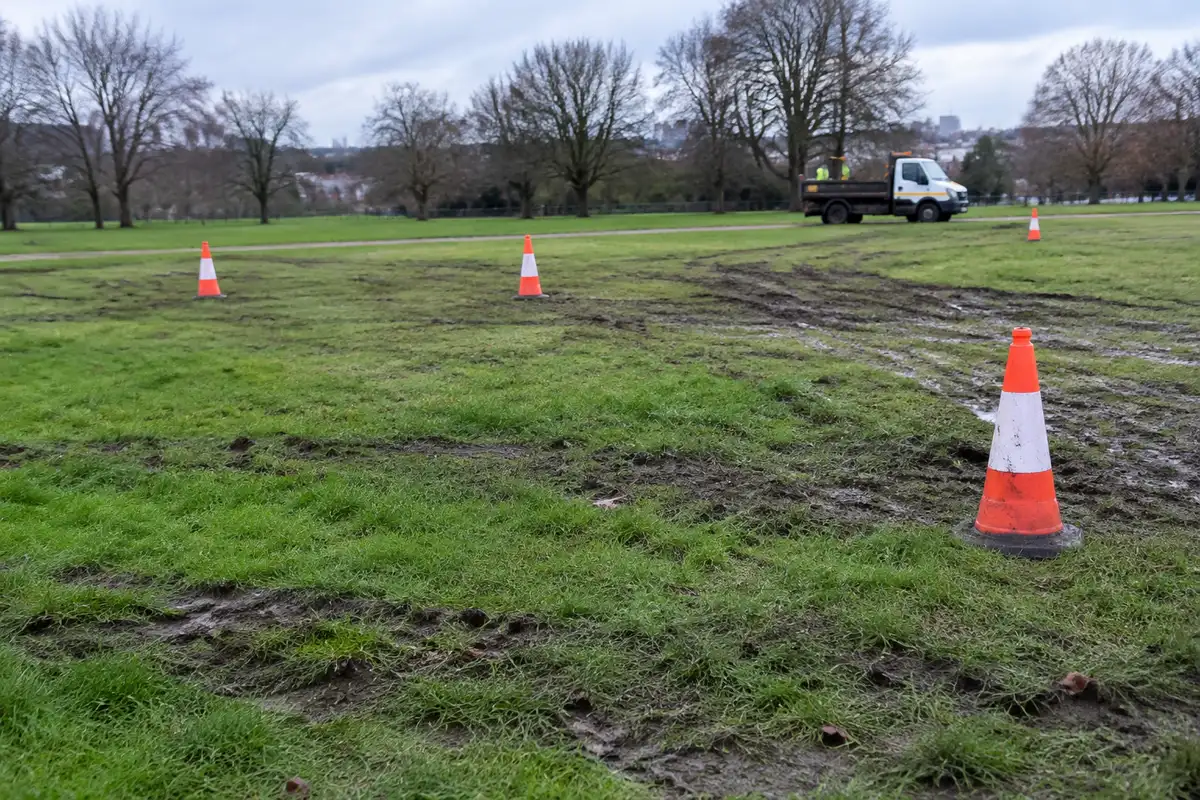
After the holiday event, visitors and municipal crews noticed patches of dead grass in a concentrated area. Photos circulated online showing tracks, mud, and soil compaction where thousands had gathered.
Breaking Bad stars Bryan Cranston, Aaron Paul attend RJ Mitte celebration of life in Hollywood
Jean-Pierre Jeunet’s Violette snapped up by Sony Pictures Classics

- Heavy foot traffic compressed the root zone.
- Hot, dry weather stressed the turf.
- Event logistics—stages, tents, and vehicles—likely intensified damage.
Landscape specialists say this mix often produces lasting harm unless quick repairs follow.
Trump’s immediate response and who he blamed
Within hours of the images spreading, the former president publicly assigned blame for the damaged grass. He accused various parties of responsibility, framing the damage as avoidable or as the result of mismanagement.
He repeatedly pointed to staff and contractors, while also criticizing local authorities for not preventing the damage.
What his statements focused on
- Maintenance crews and private contractors allegedly at fault.
- Local government oversight criticized for permitting the event setup.
- Claims that the media exaggerated the extent of the harm.
Officials and experts push back
City officials and turf experts offered a different view. Park managers emphasized event permitting rules, and agronomists cited typical causes of turf failure after large gatherings.
- Officials noted permits outlined restoration responsibilities.
- Contractors said weather and the volume of attendees were decisive.
- Agronomists recommended rest, aeration, and reseeding.
Independent observers warned against assigning blame without inspection.
Evidence on social media and in public records
Photos and short videos circulated across platforms, fueling debate. Some posts showed mud and flattened areas. Others captured equipment used during setup and teardown.
Records tied to the event permit indicate specific restoration requirements. That paperwork became central to the dispute over who should pay for repairs.
What the images reveal
- Compacted soil and shallow root exposure in high-traffic zones.
- Broken irrigation heads in a few places.
- Scattered debris consistent with a dense crowd and temporary structures.
Costs, cleanup, and plans to restore the area
Restoration specialists estimate the work will include aeration, topdressing, reseeding, and temporarily closing the site to let new grass establish. Costs depend on how quickly repairs begin.
- Short-term fixes like sod might be visible fast but costly.
- Long-term reseeding is cheaper but takes months to recover.
- Contractual language in permits often determines who pays.
Political fallout and public reaction
The episode became fodder for both supporters and critics. Supporters framed the story as a minor maintenance issue blown up by opponents. Critics saw it as emblematic of larger accountability questions around high-profile events.
Online debates blended policy concerns with mockery and partisan commentary.
What to watch next as debates continue
Key follow-ups include the results of an official damage assessment, the terms of any repair contract, and whether insurers or permit bonds will cover costs.
- Will the city enforce permit conditions?
- Will the event host accept financial responsibility?
- Will restoration efforts be visible and timely?
The dispute remains active as agencies review photographic evidence and invoices, while the former president’s public statements keep the story in the headlines